 Bellingham Siding
 Windows in York Face a Specific Kind of Weather
The York neighborhood sits close enough to the water and to Bellingham's marine weather pattern that windows here take a different beating than windows fifty miles inland. Salt-laden air corrodes hardware and fasteners faster than dry-climate air does. Driving rain, pushed sideways by wind off the bay, finds its way into any gap in flashing or sealant that a less exposed home might get away with for years. And the long, damp moss season that runs through much of the fall and winter keeps window sills, sashes, and trim wet for weeks at a stretch, which is exactly the condition wood rot and mildew need to take hold.
None of that means York homes need exotic products. It means the details of the installation — flashing, sealing, drainage, and material choice — matter more here than they would in a drier part of the country. A window that's a great fit for a house in eastern Washington can be a poor fit for a house a few blocks from Bellingham Bay if it's installed the same way.
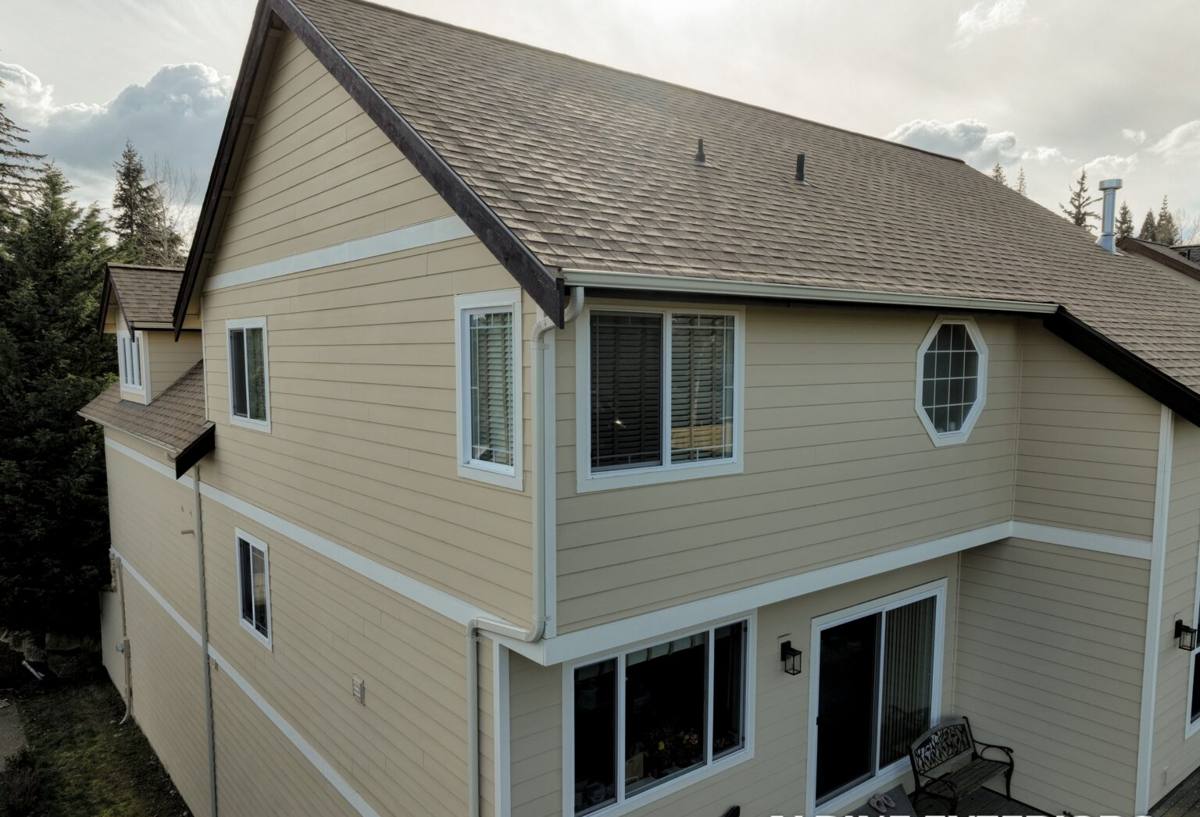
Signs a York Home's Windows Are Due for Replacement
Older homes in and around York often still have their original wood windows, or a first round of vinyl replacements from decades past. Either way, Whatcom County's damp winters tend to surface problems earlier than they would in a drier region. Common signs we see on inspection calls in this area include:
- Fogging or a milky haze between the panes of a double-pane window — the seal has failed and the insulating gas has escaped
- Soft, spongy, or discolored wood at the sill or lower corners of the frame
- Windows that are hard to open, close, or lock, or that have been painted shut
- Visible daylight or a noticeable draft around the frame when it's windy
- Moss or dark mildew staining building up on frames or sills faster than you can keep it cleaned off
- Condensation forming on the inside of the glass regularly, even when the house isn't especially humid
- A noticeable jump in heating costs compared to similar homes nearby
Any one of these on its own isn't necessarily an emergency. Several of them together, especially on a home's north or west-facing walls where wind-driven rain hits hardest, usually means the windows are past the point where caulking and weatherstripping will fix the problem.
Why Wood Rot Spreads Faster Here
Wood that stays wet for a few days can usually dry out and be fine. Wood that stays wet for weeks, which is common during Whatcom County's rainy stretches, starts to break down. Once rot sets into a window sill or the framing around it, it doesn't stop on its own — it spreads into the surrounding wall structure if it isn't addressed. Catching it at the window stage, before it reaches the framing, is almost always the cheaper and simpler repair.
What a Correct Window Replacement Actually Involves
Swapping in a new window is the visible part of the job. The parts that determine whether that window lasts fifteen years or forty happen underneath the trim, where you can't see them once the job is done.
Flashing and Water Management
Every window opening needs a flashing system that directs water down and out, never in. That means a sill pan under the rough opening, flashing tape integrated with the house wrap at the sides and top, and a drip cap or head flashing above the window to break the path of water running down the siding. Skipping or shortcutting this step is the single most common cause of hidden water damage behind replacement windows — and it's invisible from the outside until the damage is already done.
Air Sealing Without Trapping Moisture
The gap between the window frame and the rough opening needs to be sealed for air infiltration, but not packed solid in a way that traps moisture against the wood. We use low-expansion foam or backer rod and sealant rated for exterior use, sized to the gap, rather than over-filling the space.
Fastening for Wind and Salt Exposure
Homes closer to the water benefit from corrosion-resistant fasteners and hardware. Standard fasteners can start showing rust streaks on stucco or light-colored siding within a few years in a salt-air environment; stainless or coated fasteners cost a little more up front and avoid that entirely.
Choosing the Right Window for a York Home
There's no single "best" window material — the right choice depends on the home's age, exposure, and how much upkeep an owner wants to take on. Here's how the common options compare for a coastal Whatcom County property:
| Material | Moisture & Salt Air Handling | Maintenance | Typical Lifespan | Best Fit |
|---|---|---|---|---|
| Vinyl | Good — won't rot or corrode, but can warp under heavy heat exposure on south walls | Low; occasional cleaning | 20–30 years | Most standard replacements; best value |
| Fiberglass | Excellent — very stable in wet, temperature-swinging climates | Low | 30–40+ years | Owners wanting long-term durability, willing to pay more up front |
| Wood-clad | Fair — the exterior cladding protects the wood, but any breach in the cladding lets moisture reach the wood core | Moderate to high | 20–30 years, shorter if cladding is compromised | Historic-style homes prioritizing an interior wood look |
| Aluminum | Poor to fair — conducts cold and can corrode near salt air unless marine-grade and well-finished | Moderate | 15–25 years | Rarely our first recommendation for this area |
For most York homes, we steer owners toward vinyl or fiberglass. Both shed water without absorbing it, don't need repainting, and hold up well against the salt air common to homes closer to the bay. Wood-clad windows can still be the right call on a home where matching a historic look matters, but we're upfront that they carry a higher maintenance burden in this climate — any nick or gap in the cladding becomes an entry point for moisture, and it needs to be caught early.
Full-Frame Replacement vs. Insert Replacement
There are two basic approaches to replacing a window, and the right one depends on the condition of the existing frame:
| Approach | What It Involves | Best When |
|---|---|---|
| Insert (pocket) replacement | New window fits inside the existing frame; original frame, trim, and siding stay in place | Existing frame is still solid, dry, and square |
| Full-frame replacement | Old window and frame are removed down to the rough opening; new flashing, frame, and trim are installed | Frame shows rot, water damage, or is out of square — common on older York-area homes with original wood windows |
Insert replacements are faster and less disruptive, but they only make sense when the frame underneath is genuinely sound. Installing a new window into a rotted or water-damaged frame just seals the existing problem inside the wall. On many of the older homes in this neighborhood, especially ones that still have original wood-frame windows, we find enough hidden moisture damage during the walkthrough that full-frame replacement is the honest recommendation, even though it costs more than an insert job.
What Drives the Cost
Every window job is different, but the same handful of factors move the price up or down on most projects:
- Frame condition — insert replacement is less expensive than full-frame; hidden rot found once we open the wall can shift the scope
- Window size and configuration — large picture windows, bay windows, and odd shapes cost more than standard double-hungs
- Glass package — double-pane vs. triple-pane, and low-E coatings, add cost but improve comfort and energy performance
- Trim and finish work — matching existing interior trim or exterior siding detail adds labor
- Number of windows — doing a whole house at once typically brings a lower per-window cost than one-off replacements
We give a straightforward written estimate before any work starts, broken out so it's clear what's driving the cost — no vague lump-sum numbers.
Our Process
We keep the process the same on every job because it's the sequence that avoids surprises:
- On-site walkthrough — we inspect each window opening, including probing the sill and lower frame for hidden rot, not just looking at the visible sash
- Written estimate — itemized by window, with material options explained rather than a single default recommendation
- Scheduling — we plan around the wettest stretches of the local forecast where possible, since openings are exposed to weather during the swap
- Removal and inspection — once the old window is out, we check the rough opening before installing anything new
- Flashing, install, and seal — sill pan, flashing, window set, air sealing, and exterior trim finish
- Walkthrough and cleanup — we operate every window with the homeowner before we consider the job done
Why a Crew That Already Works in York Matters
York's housing stock includes a mix of older homes with original construction details and newer infill, and a crew that's worked in the neighborhood already has a sense of what tends to be hiding behind the trim on homes of a given age. That matters for two practical reasons. First, it means fewer surprises and change orders once a wall is opened up. Second, it means we already understand how Bellingham's building permit process applies to window replacement — full-frame changes that alter a rough opening size typically need a permit, while like-for-like replacements usually don't, and knowing the difference up front saves a homeowner from finding out the hard way.
Being local also means we're realistic about scheduling around this area's weather. We don't want a window opening sitting exposed overnight during a rainy stretch any more than a homeowner does, and knowing the seasonal pattern in Whatcom County helps us plan installs to minimize that exposure.
Energy Performance in a Marine Climate
Bellingham's climate doesn't hit the extreme cold that drives window shopping in colder states, but the near-constant dampness and frequent wind mean draft and moisture control matter more here than raw insulation numbers. A well-sealed double-pane window with a quality low-E coating is often the right balance of performance and cost for this area; triple-pane makes more sense for homes with a specific noise or comfort issue, such as facing a busy street or getting hit hard by wind. We'll walk through the trade-offs for your specific home rather than defaulting to the most expensive option.
If your windows are showing any of the signs above, or you just want an honest read on what shape they're in, we're glad to come take a look. Estimates are free, there's no pressure, and we'll tell you plainly if a repair makes more sense than a full replacement — use the form below to get on the schedule.