 Bellingham Siding
 Siding in Cordata: A Neighborhood Still Finding Its Shape
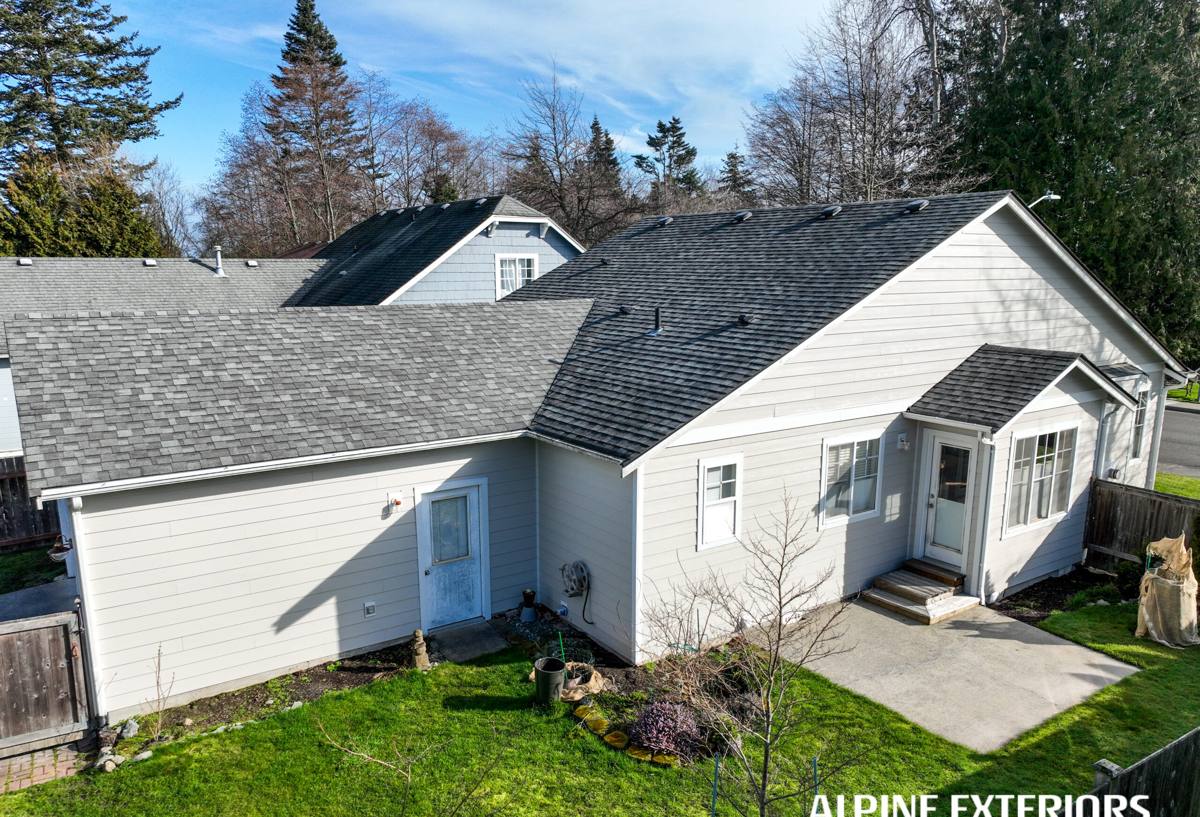
Cordata is one of the newer, faster-growing parts of Bellingham, with a mix of housing stock that ranges from homes built in the last decade to older construction tucked in among newer development near the Guide Meridian and I-5 corridor. That mix matters for siding decisions. Newer homes often carry vinyl or engineered wood siding chosen for upfront cost during construction, while older homes in the area may be on their second or third exterior by now. Whatever the age of the house, Whatcom County's climate doesn't discriminate — it works on every exterior the same way, year after year.
Because Cordata sits inland from the water compared to some Bellingham neighborhoods, homeowners here sometimes assume they're insulated from the coastal weather that gets blamed for siding problems closer to the bay. In practice, the difference is smaller than people expect. Salt-tinged marine air moves across the whole Bellingham area, and the driving rain and long wet season that define this part of Washington don't stop at any particular street.
What the Regional Climate Actually Does to Exterior Materials
Salt Air and Moisture
Bellingham's proximity to the Salish Sea means the air carries a steady low level of salt and moisture inland, even in neighborhoods that aren't waterfront. Over years, that moisture load accelerates corrosion on fasteners and trim, and it keeps siding surfaces damp longer than they would be in a drier inland climate. Materials that aren't engineered for sustained moisture exposure tend to show it first at seams, butt joints, and anywhere water can collect.
Driving Rain
Whatcom County gets a lot of rain, and a good portion of it arrives sideways during fall and winter storms. Driving rain finds every gap in a siding installation — a poorly lapped joint, a missing kick-out flashing, a caulk line that's failed. The material itself matters, but so does the installation behind it. A product can be rated for wet climates and still fail on a house if it wasn't installed to hold up against wind-driven water.
Moss and Prolonged Dampness
Bellingham's moss season is long, generally running from fall through spring, and it doesn't spare exterior walls the way people assume it only affects roofs. Shaded north- and west-facing walls, areas under eaves with poor airflow, and surfaces near landscaping that stays damp are all candidates for moss and algae growth. On absorbent siding materials, that growth holds moisture against the surface for months at a time, which is exactly the condition that leads to rot, delamination, or paint failure.
Why We Install Only James Hardie Fiber Cement
We made a deliberate decision to install James Hardie fiber cement siding exclusively, and it comes directly from what we see on homes in this climate. Fiber cement is non-combustible, dimensionally stable in wet-dry cycling, and doesn't feed moss and mildew the way wood-based products can. James Hardie's HZ5 product line is engineered specifically for climates like ours — the Pacific Northwest's freeze-thaw swings, sustained rain, and marine exposure — rather than being a general-purpose product adapted after the fact.
The factory-applied ColorPlus finish is a significant part of that decision too. It's baked on under controlled conditions rather than field-applied, which means better adhesion and color consistency over time, plus a matching caulk and touch-up system designed for the finish. In a climate where a house's paint job is under near-constant assault from moisture and UV, that difference shows up in how long the color actually holds.
Warranty Backing That Matches the Climate Risk
James Hardie backs its siding with a long, transferable, non-prorated limited warranty on the substrate, plus a separate warranty on the ColorPlus finish for homes that use it. That structure matters in a wet climate — it's the manufacturer standing behind the material's performance in exactly the conditions that cause problems, not a generic warranty written for a national market that ignores regional exposure.
Products We Don't Install, and Why We Draw That Line
We get asked to install or match other siding products regularly, and we're upfront that we don't. Here's the honest reasoning, product by product:
- Vinyl siding: Low upfront cost and low maintenance in mild climates, but it can warp or become brittle with temperature swings, and it isn't fire-rated the way fiber cement is. Seams and panels also give water a path in driving-rain conditions if not installed with real precision.
- LP SmartSide: An engineered wood product with genuine improvements over old-school hardboard siding, but it's still wood-based at its core, which means it depends heavily on caulking, paint maintenance, and correct flashing to keep moisture out over the long run — a demanding standard to hold for decades in this rainfall.
- Cemplank and Allura: Both are fiber cement competitors to James Hardie, and fiber cement as a category is sound. Our decision to standardize on one manufacturer is about consistency of factory finish quality, warranty structure, and product engineering specific to our region — not a claim that every fiber cement brand is unusable.
- Primed spruce or cedar: Natural wood siding has real appeal and a long history in this region, but it requires the most ongoing maintenance of any option — regular repainting or restaining, vigilant moisture management, and a real risk of rot if upkeep slips even for a few seasons in a climate this wet.
None of this is a knock on homeowners who chose these products, and some of them are well-suited to other climates or budgets. It's a statement about what we're willing to put our name behind on a house that has to survive Whatcom County winters for the next 30 to 50 years.
How a Cordata Siding Project Typically Works
Inspection and Assessment
We start by walking the exterior to look at what's actually happening on the house — where moisture is getting in, whether there's existing rot in sheathing or trim, how the current siding is performing at seams and penetrations, and what the drainage plane looks like once we open things up. This step drives the scope more than anything else; a house that looks fine from the street can have hidden water damage behind the siding.
Water Management First
Correct installation in this climate starts underneath the siding, not with the siding itself. That means proper weather-resistive barrier, correctly lapped and taped seams, flashing at windows, doors, and any roof-to-wall intersections, and rainscreen or drainage detailing where it's called for. Skipping this step is the single most common reason siding fails early in wet climates — the surface material gets blamed for a moisture problem that started behind it.
Installation to Manufacturer Spec
James Hardie publishes specific fastening patterns, clearances, and joint treatment requirements, and following them precisely is what keeps the manufacturer's warranty intact and the siding performing as engineered. Gaps at butt joints, incorrect nailing, or siding installed too close to grade or a roofline are common shortcuts that cause problems years down the road.
Beyond Siding: The Rest of the Exterior
Siding doesn't work in isolation — it's one part of a building envelope that includes the roof, windows, and any attached structures like decks. We handle all four because they interact directly with each other:
- Roofing: Roof-to-wall flashing details are a frequent leak point, and getting siding and roofing coordinated at those intersections matters more than either trade working alone.
- Windows: Window flashing integrates directly with the siding's weather barrier. Old or poorly flashed windows are a common source of the hidden water damage we find when we open up a wall.
- Decks: Ledger boards and deck attachment points are another spot where siding, flashing, and structural framing all meet — and another common source of rot if not detailed correctly.
For a homeowner planning a larger exterior project in Cordata, addressing these together, rather than one at a time over several years, usually means fewer redundant openings in the wall and a more consistent result.
What Affects the Cost of a Siding Project
Every house is different, but the same handful of factors drive most of the cost variation we see on Cordata projects:
| Factor | Why It Matters |
|---|---|
| Extent of existing damage | Rotted sheathing or framing found during tear-off adds repair scope beyond the siding itself |
| House size and complexity | More corners, dormers, and roof-wall intersections mean more flashing detail and labor time |
| Siding profile chosen | Lap width, shingle-style panels, and trim details all affect material and installation cost |
| Current siding removal | Full tear-off versus working with an already-stripped wall changes labor scope |
| Access and site conditions | Tight lots, slopes, or limited equipment access can affect scaffolding and staging needs |
We give written estimates after an in-person assessment rather than a phone quote, because the hidden condition behind the existing siding is often the biggest cost variable — and that's not something anyone can see from the street.
Choosing a Contractor for a Cordata Home
A siding job is only as good as the installer behind it, especially in a climate where correct water management is what actually protects the house. A few things worth checking before hiring anyone for exterior work in this area:
- Washington state contractor license and current insurance, verifiable through the state's license lookup
- Manufacturer training or certification specific to the siding product being installed
- A written scope that specifies flashing and moisture-barrier details, not just "install siding"
- Local references or a track record of work in similar Whatcom County climate conditions
- A clear warranty explanation covering both materials and labor, in writing
A crew that works regularly in Bellingham and the surrounding county understands how the local rain pattern, moss cycle, and marine air actually behave on a house — that's different from general siding experience picked up in a drier or milder climate.
Get a Straightforward Estimate
If you're weighing a siding project for a Cordata home — or want a second opinion on a roof, window, or deck issue tied into the exterior — we're glad to take a look and give you a straight answer about what your house actually needs. The estimate is free, there's no pressure attached to it, and you'll get a written scope you can take your time reviewing.