 Bellingham Siding
 Siding Built for Life Near the Water
Silver Beach sits close enough to Bellingham Bay that the climate here isn't quite the same as a few miles inland. Homes in this part of Whatcom County deal with a specific combination of salt-tinged air, wind-driven rain off the water, and long stretches of gray, damp weather that keep exterior surfaces wet for days at a time. It's a beautiful place to live, but it's a demanding place to own a house. Siding that's marginal in a drier climate tends to show its weaknesses fast here — and that's exactly the environment we've built our approach around.
We're a Bellingham-based exterior contractor, and Silver Beach is part of the territory we know well. We're not driving in from out of the area to bid a job and disappear. We see how homes in this neighborhood age over the years, which sides of a house take the worst weather, and which siding products actually hold up versus which ones start failing quietly behind a coat of paint.
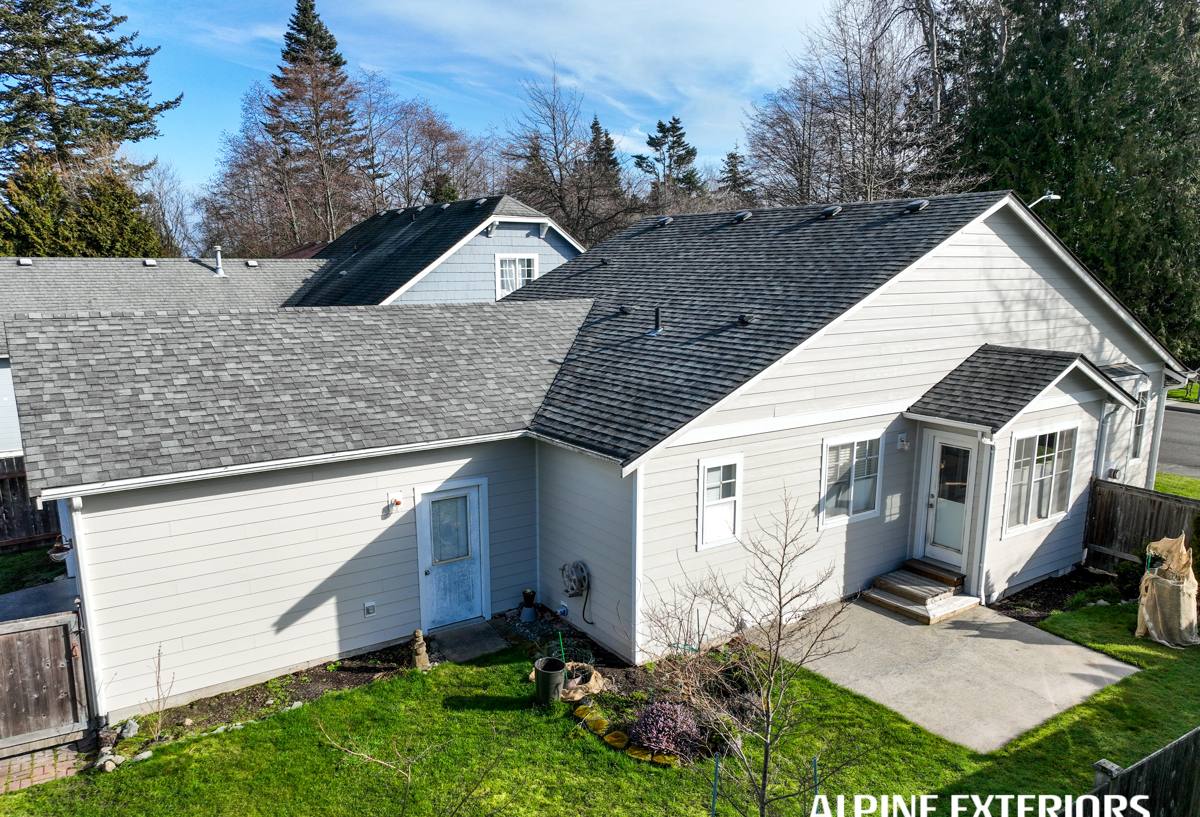
What the Silver Beach Climate Does to a House
Salt Air and Moisture Together
Proximity to saltwater doesn't just mean corrosion on metal fixtures — it means the air itself carries more moisture, and that moisture doesn't evaporate off building surfaces as quickly as it would inland. Combine that with Bellingham's marine climate and you get siding, trim, and fasteners that spend a lot more of the year damp than dry. Materials that rely on paint film or factory coatings to keep water out are under more or less constant low-grade stress.
Driving Rain Off the Bay
Wind off the water pushes rain sideways into west- and northwest-facing walls, which is a different exposure than a straight-down rainstorm. That driving rain finds gaps at seams, butt joints, and trim intersections that would stay dry in calmer conditions. Over years, homes here often show the earliest wear on the water-facing sides — peeling paint, soft spots, or staining that starts right at the joints.
Moss, Algae, and the Long Wet Season
Whatcom County's siding season isn't just "rainy winters." Shaded walls, north exposures, and areas near mature trees can stay damp for much of the year, which is exactly what moss and algae need to take hold. On porous or wood-based siding, that growth isn't just cosmetic — it holds moisture against the surface and accelerates decay underneath.
Why We Install Only James Hardie Fiber Cement
We made a deliberate decision as a company: we install James Hardie fiber cement siding exclusively. We don't install vinyl, LP SmartSide, Cemplank, Allura, or bare cedar and primed spruce. That's not a marketing position — it's a standard we hold because of what we've seen happen to siding in exactly this kind of coastal, wet climate.
- Non-combustible material — fiber cement doesn't burn, which matters as wildfire smoke and dry-season risk have become a bigger part of Pacific Northwest summers even in wetter coastal zones.
- Engineered for moisture, not just painted against it — Hardie's HZ5 product line is specifically formulated for the Pacific Northwest's wet, temperate climate, addressing moisture resistance at the material level rather than relying solely on a surface coating.
- ColorPlus factory finish — the color is baked on in a controlled factory process rather than field-applied, which produces a more consistent, longer-lasting finish than job-site painting, especially in a climate where paint doesn't cure well half the year.
- Doesn't feed moss and algae the way wood does — fiber cement doesn't provide the organic material that fungal growth needs to establish itself the way untreated wood siding can.
- A warranty structure built around the product's real performance — Hardie backs its siding and factory finish with strong transferable warranty coverage, which matters when you're planning to own the home for decades or eventually sell it.
None of this means other products are junk — vinyl is inexpensive, wood has real appeal, and engineered wood has improved over the years. But we've chosen to put our name behind one system that we've seen consistently perform in this exact climate, rather than juggle installation standards across five different products with five different failure modes.
How We Approach a Silver Beach Siding Job
Assessment Before Anything Else
Before we talk about siding, we look at what's underneath it and around it. That means checking for water intrusion at window and door flashing, evaluating the condition of the water-resistive barrier, and identifying trouble spots — usually around trim, roof-to-wall intersections, and any area that's been shaded or shielded from sun and airflow. In a climate like this, hidden moisture damage is more common than dramatic, obvious rot, and it's worth finding before new siding goes up over it.
Installation to Manufacturer Spec
Fiber cement siding performs the way it's rated to perform only when it's installed correctly — proper fastener placement, correct clearances at grade and roofline, sealed and flashed penetrations, and the right gap and caulking approach at butt joints. This is where a lot of siding problems actually originate, regardless of which product is used. We install to James Hardie's published specifications, not shortcuts that speed up the job but shave years off the siding's life.
Detailing for Driving Rain
Given how often Silver Beach walls face wind-driven rain, we pay particular attention to water-shedding details — kick-out flashing where rooflines meet walls, proper head flashing above windows and doors, and correct overlap at siding courses. These are the details that determine whether a heavy Bellingham storm stays outside the wall assembly or finds its way in.
Beyond Siding: Roofing, Windows, and Decks
Siding doesn't work in isolation — it's one piece of a building envelope that also includes the roof, windows, and any attached structures like decks. We handle all four because they're interconnected, especially in a wet coastal climate:
- Roofing — a roof in poor condition or with failing flashing sends water down onto siding it was never designed to protect against, undermining even well-installed siding.
- Windows — window flashing and siding integration is one of the most common failure points on older homes; replacing one without addressing the other often just relocates the leak.
- Decks — deck ledger connections and any siding that meets a deck structure need careful flashing, since that's a notorious spot for hidden rot in wet climates.
When we're on a Silver Beach property for a siding project, we're looking at the whole exterior picture, not just the wall surface.
Signs Your Siding May Be Struggling
| What You See | What It Often Means |
|---|---|
| Paint peeling at seams or joints first | Water is getting behind the siding at those connection points |
| Soft or spongy spots when pressed | Moisture has reached the substrate and decay has started |
| Persistent moss or algae on north/shaded walls | Surface is holding moisture longer than it should be able to dry |
| Visible warping or buckling panels | Moisture cycling has distorted the material, common with wood-based products |
| Staining below window sills or trim | Flashing failure allowing water to run down the wall face |
Cost Factors for a Silver Beach Siding Project
Every home is different, but a few factors consistently move the price of a siding project up or down in this area:
| Factor | Why It Matters |
|---|---|
| Extent of hidden moisture damage | Sheathing or framing repairs found during tear-off add cost but are essential to address |
| Home size and wall complexity | More corners, dormers, and trim details mean more labor and material waste |
| Siding profile and finish choice | Lap width, textures, and ColorPlus color selection affect material pricing |
| Access and site conditions | Sloped lots, limited driveway access, or proximity to neighboring structures affect staging and labor time |
| Trim and accessory scope | Fascia, soffit, and trim replacement alongside siding changes total project cost |
We give straightforward, itemized estimates so you know what you're paying for and why — not a vague lump sum.
What to Ask Before Hiring Anyone for Exterior Work
- Are you licensed and insured to work in Washington State, and can you provide proof?
- Who will actually be on my roof and walls — your crew, or subcontractors you don't directly manage?
- What's your plan for flashing at windows, doors, and roof intersections — not just "we'll caulk it"?
- What warranty applies to both the material and your labor, and who do I call if something fails in year six?
- Can you walk me through why you're recommending a specific product for a home in this location?
A contractor who can answer these clearly, without deflecting, is worth far more than the lowest bid on paper.
Why Local Knowledge Matters Here
Bellingham and the surrounding Whatcom County waterfront neighborhoods aren't a generic climate zone. A siding crew that mostly works drier inland regions may not instinctively account for how much longer surfaces stay wet this close to the bay, or how much more aggressive moss growth gets on a shaded north wall a block from the water. We work in this climate every week, which shapes real decisions — where we add extra flashing attention, which details we double-check, and why we don't take shortcuts that might be fine somewhere drier but aren't fine here.
If you're weighing a siding project for a home in Silver Beach, we're happy to take a look, walk the exterior with you, and talk through what we're seeing — no pressure, no hard sell. Reach out for a free estimate using the form below.