 Bellingham Siding
 Siding and Exterior Work in Birchwood, Bellingham
Birchwood sits close enough to Bellingham Bay and the surrounding waterways that its homes deal with a specific mix of weather most inland Washington neighborhoods never see. Salt-tinged air off the water, long stretches of driving rain that come sideways off Pacific storm systems, and a moss season that can run nearly nine months out of the year all put steady pressure on a home's exterior. We're a local crew that works this area regularly, and we install one siding system on every job: James Hardie fiber cement. This page walks through what Birchwood homes typically face, how our siding, roofing, window, and deck work fits that climate, and why we standardized on Hardie instead of the other products on the market.
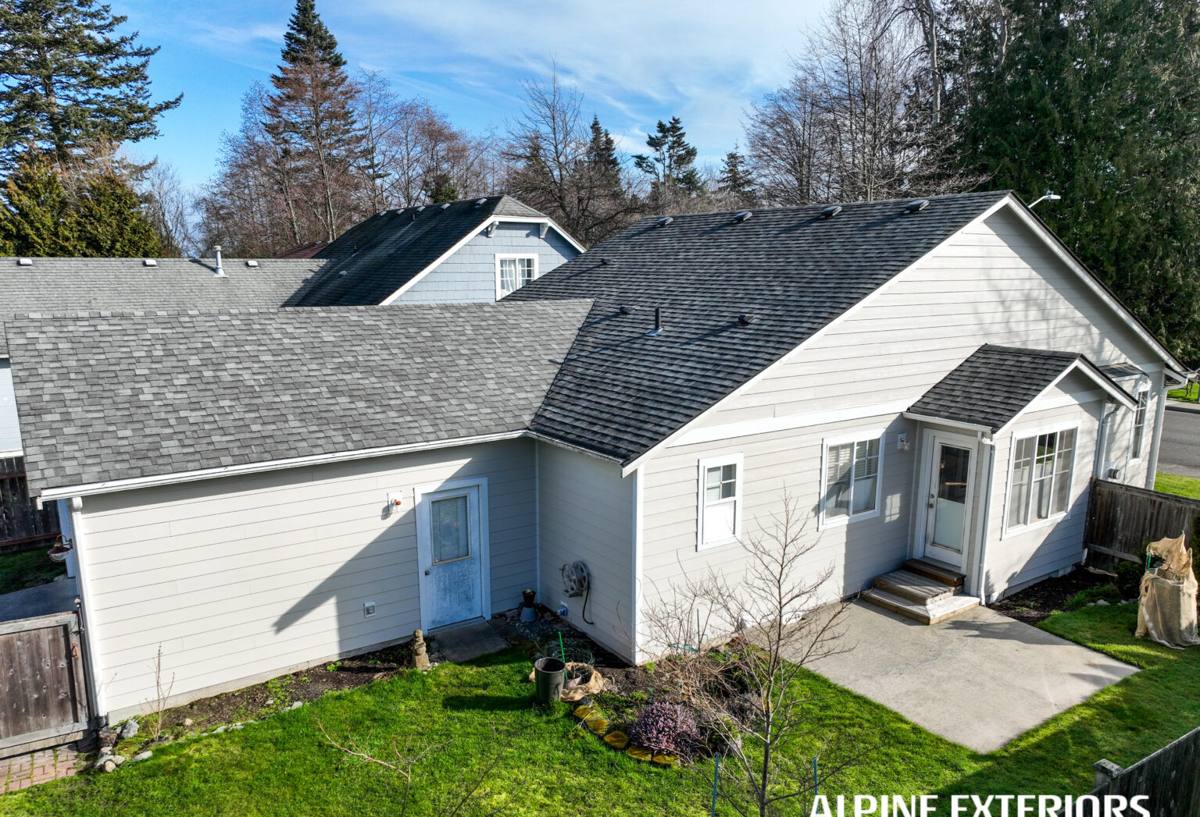
What Whatcom County Weather Does to a House
Bellingham and greater Whatcom County get a lot of rain, but it's the character of that rain — not just the volume — that matters for siding. Storms here tend to arrive with wind, which drives water horizontally into wall assemblies instead of letting it run straight down and off. Combine that with our marine-influenced humidity and the moderate but persistent salt content in the air near the bay, and you get an exterior environment that punishes materials which absorb moisture, swell, or corrode.
Moss and algae growth is the other constant. Shaded north- and west-facing walls, especially under mature trees or close to neighboring structures, stay damp for days after a storm passes. Any siding material with wood content or an absorbent surface becomes a food source for organic growth over time, which shows up as green-black staining, softening at the edges, and eventually rot if it's not addressed.
The Three Big Stressors, Summarized
- Wind-driven rain: pushes water into seams, laps, and fastener penetrations that a calm, straight-down rain would never reach.
- Salt-influenced air: accelerates corrosion on fasteners, flashing, and any metal trim that isn't properly rated or coated.
- Extended moss/algae season: keeps shaded and low-airflow wall sections damp for long stretches, which is exactly the condition organic growth and wood decay need.
Why We Only Install James Hardie
We get asked regularly why we don't offer vinyl, LP SmartSide, Cemplank, Allura, or primed wood siding alongside Hardie. The honest answer is that we made a standard for our own crew, based on what we've seen hold up in this specific climate over years of installs and repairs in Whatcom and Skagit counties, and we'd rather install one product correctly than several products at varying quality.
James Hardie fiber cement is engineered from cement, sand, and cellulose fibers. It doesn't have the wood content that gives moss and rot something to feed on, and it doesn't have the thermal expansion behavior that causes vinyl to buckle or warp in temperature swings. It's also non-combustible, which matters increasingly to insurers and to homeowners thinking about wildfire smoke and ember exposure during dry summer stretches, even here on the wet side of the Cascades.
What We're Not Saying
We're not telling you vinyl or LP SmartSide are junk products — plenty of homes across the country wear them fine. Vinyl is inexpensive and low-maintenance in mild, dry climates. LP SmartSide is a legitimate engineered wood product when it's detailed and maintained correctly. Our decision is about fit for this specific coastal, high-moisture region and about controlling installation quality across our own crew, not a blanket claim that other manufacturers make bad products.
How James Hardie Handles Our Climate
| Concern | How Hardie Fiber Cement Responds |
|---|---|
| Wind-driven rain | Dense cement composition resists water absorption into the board itself; correct flashing and lap detail keep water moving out, not in |
| Moss and algae | No wood cellulose surface for organic growth to establish on; factory ColorPlus finish sheds dirt and biofilm more readily than raw or field-painted surfaces |
| Salt air | Fiber cement itself doesn't corrode; we pair it with stainless or coated fasteners and proper flashing to prevent galvanic and salt-driven corrosion at the metal components |
| Temperature swings | Low thermal expansion means panels stay flat and true instead of buckling or gapping at seams over the years |
| UV and fading | ColorPlus factory-baked finish resists fading far longer than field-applied paint, which matters under our long summer daylight hours |
The HZ5 Product Line and Why It's the Right Fit Here
James Hardie engineers its siding in regional formulations called HZ (HardieZone) products, matched to climate zones across the country. Western Washington, including Bellingham and Whatcom County, falls into a zone where moisture resistance is the priority over, say, extreme freeze-thaw cycling you'd see in colder inland climates. We install the HZ product line engineered for our climate, which is formulated specifically to resist moisture intrusion and the freeze-thaw pattern we do get in winter cold snaps off the water.
This matters because generic fiber cement, or fiber cement installed without climate-matched engineering, can behave differently than expected in a wet marine environment. Buying the right regional product is as much a part of doing this correctly as the installation itself.
Our Installation Process for Birchwood Homes
Correct installation is what actually determines whether siding performs for 30-plus years or fails early. A good product installed poorly will still trap moisture and fail. Our process on Birchwood homes generally includes:
- Exterior assessment: we look at existing siding condition, moisture damage, trim and window flashing, and any problem areas specific to the home's orientation and shading.
- Weather-resistive barrier check or replacement: the house wrap and flashing details behind the siding matter as much as the siding itself, especially with wind-driven rain.
- Proper fastening and spacing: Hardie specifies exact nailing patterns, gaps, and clearances (from grade, roofing, and decks) that we follow to manufacturer spec, which also protects the warranty.
- Flashing and trim detail: window heads, butt joints, and inside/outside corners get flashed and caulked to shed water rather than trap it.
- Ventilation and clearance: we maintain proper clearance from grade, decks, and roof lines so siding isn't sitting in standing moisture or splash-back.
Roofing, Windows, and Decks — The Rest of the Envelope
Siding doesn't work in isolation. A house is a system, and in a climate like ours, the roof, windows, and any attached decks all interact with how water moves around and off the building. We handle all four trades so we can look at a Birchwood home's exterior as one connected system instead of patching one piece while ignoring the others.
Roofing
Roof-to-wall transitions are one of the most common places we find water intrusion on older homes in this area. Step flashing, kick-out flashing at roof-to-siding junctions, and proper underlayment all matter more here than in drier climates, because wind-driven rain finds the gaps a calmer climate would never test.
Windows
Window flashing integration with siding is a frequent failure point we see on older Birchwood homes, especially where original wood windows have been replaced without redoing the surrounding flashing. We integrate window flashing with the Hardie installation so water sheds past the window opening instead of into the wall cavity.
Decks
Decks that attach directly to a home's wall create a ledger connection that needs correct flashing to keep water from tracking behind the siding at that joint — a detail that's easy to get wrong and expensive to fix after the fact.
Why a Local Crew Matters
Whatcom County's microclimates vary block to block depending on tree cover, elevation, and proximity to the water. A crew that works Birchwood and the surrounding Bellingham neighborhoods regularly knows which walls in this area tend to hold moss, which orientations catch the worst of the driving rain, and how local permitting and inspection processes work. That local knowledge shows up in small decisions — where to add extra flashing, which walls need more ventilation clearance — that a crew unfamiliar with the area might miss.
Signs Your Siding May Need Attention
- Persistent green or black staining that returns quickly after cleaning
- Soft, spongy spots when pressed, especially near the bottom courses or window trim
- Visible gaps, warping, or buckling at seams and corners
- Peeling or bubbling paint on wood or engineered wood siding
- Rust streaking from fasteners or trim
- Water stains on interior walls near exterior corners after storms
What to Expect in an Estimate
Every Birchwood home is different — square footage, existing siding condition, trim complexity, and how much of the roofing, window, and flashing detail needs attention alongside the siding all affect scope and cost. Rather than quote a number that won't reflect your actual house, we walk the exterior with you, point out what we see, and put together a written estimate based on that specific home.
If you're in Birchwood or elsewhere in the Bellingham area and want a straight assessment of your home's siding, roofing, windows, or deck, we're glad to come take a look. The estimate is free, there's no pressure, and you'll get a clear explanation of what we see and why we recommend what we recommend — just fill out the form below to get started.