 Bellingham Siding
 Siding for Lynden Homes, From a Crew That Works This Region Every Day
Lynden sits in the heart of Whatcom County, and like the rest of the communities we serve out of Bellingham, homes here spend most of the year dealing with moisture in one form or another. Long stretches of drizzle, driving rain off the marine air that moves through the region, and shaded, damp yards that stay green with moss well into the warmer months — all of it adds up to real wear on a home's exterior. We're a Bellingham-based crew, and Lynden is inside our normal service area, not a stretch. That matters more than it sounds like it should.
This page walks through what the local climate actually does to siding, roofing, windows, and decks over time, what we install and why, and what to expect if you're planning a project on a Lynden home.
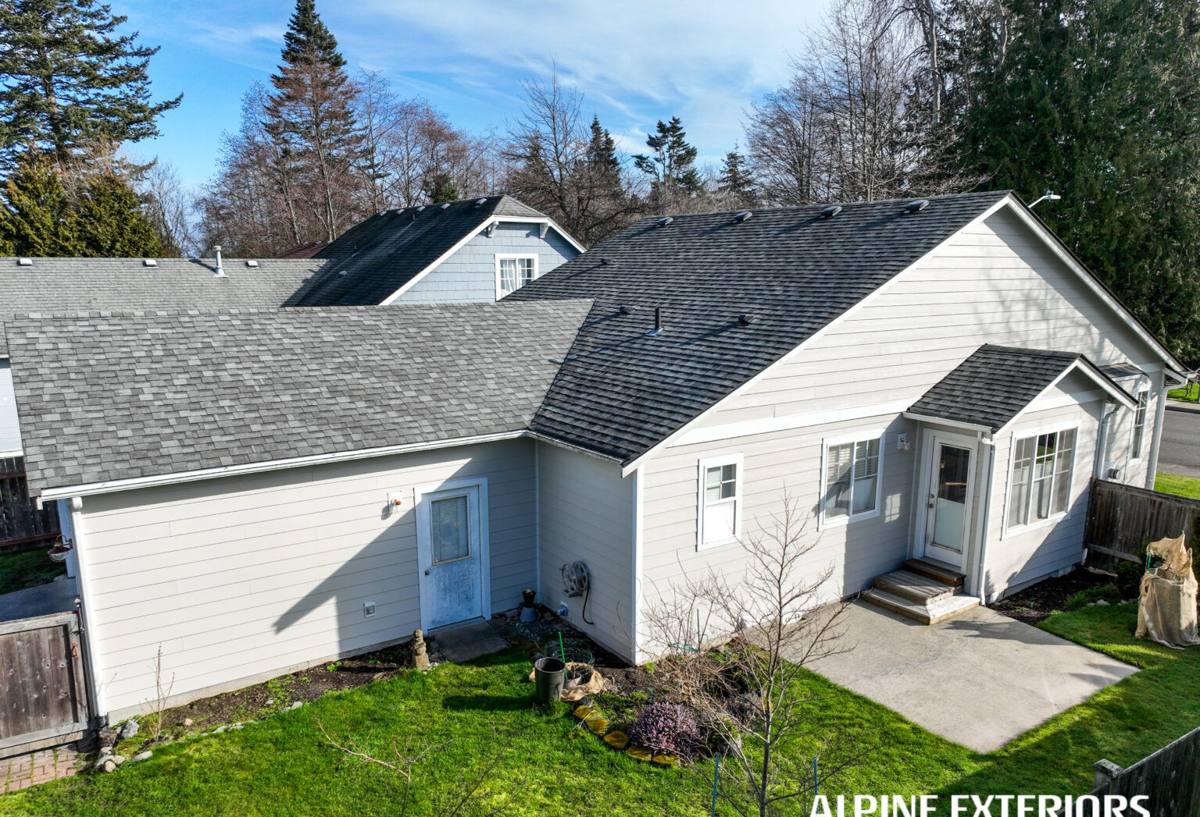
What This Climate Does to a House Over Time
Whatcom County doesn't get the kind of dramatic weather that makes headlines. It gets something slower and, in a lot of ways, harder on a building: sustained dampness. Siding, trim, and roofing here aren't fighting one big storm — they're fighting months of low-grade moisture exposure every single year.
Moss and Organic Growth
Shaded north-facing walls, areas near mature trees, and roof valleys that stay damp longer than the rest of the house are where we see moss, algae, and mildew take hold first. On the wrong siding material, that growth isn't just cosmetic — it holds moisture against the surface and can accelerate rot, paint failure, or delamination underneath.
Driving Rain and Wind-Driven Moisture
Rain in this region doesn't always fall straight down. Storms moving through push water sideways into wall assemblies, especially around windows, corners, and anywhere flashing and trim meet the siding. Poor installation details show up here first — not as a dramatic failure, but as a slow leak that rots sheathing over a few seasons.
Freeze-Thaw and Temperature Swings
Whatcom County doesn't see extreme cold often, but it does see enough freeze-thaw cycling in winter to stress any material that has absorbed moisture. Wood-based products that have taken on water are the most vulnerable to this kind of damage — expansion and contraction opens up cracks and joints that let even more water in.
Why We Install James Hardie Fiber Cement — and Nothing Else
We made a decision as a company to install only James Hardie fiber cement siding. We don't install vinyl, LP SmartSide, Cemplank, Allura, primed spruce, or cedar. That's not a marketing angle — it's a standard we hold because of what we've seen happen to each of those products in a climate like ours.
Vinyl is inexpensive and low-maintenance in a dry climate, but it's a thin plastic product that can warp, crack in cold snaps, and fade faster under UV exposure than most homeowners expect. It also doesn't hold paint well if a color change is ever wanted down the road, and it's not a great match for a region where wind-driven rain tests every seam.
Engineered wood products like LP SmartSide use a wood-strand substrate. Wood-strand product is more moisture-resistant than raw plywood, but it's still an organic material at its core — if water gets past a compromised edge or a poorly sealed cut, that substrate can swell and deteriorate in ways fiber cement simply doesn't. In a region with our rainfall totals, we're not willing to bet a client's siding on perfect caulk joints holding for decades.
Primed spruce and cedar are honest, traditional materials with real appeal, but they're wood. They need ongoing refinishing, they're vulnerable to moss and rot in shaded, damp conditions, and they're combustible — a real consideration as wildfire smoke and fire-season awareness have become a bigger part of Pacific Northwest homeownership.
James Hardie fiber cement is cement, sand, and cellulose fiber. It doesn't rot, it isn't attractive to insects, it's non-combustible, and it holds its factory-applied ColorPlus finish for years without the fading and chalking that plagues field-painted wood siding. Hardie also engineers specific product lines (their HZ5 line, for example) for wetter, colder climates — which is exactly the environment Whatcom County sits in.
How the Products Compare
| Material | Moisture Behavior | Maintenance | Typical Lifespan Range |
|---|---|---|---|
| James Hardie fiber cement | Doesn't absorb and swell; engineered for wet climates | Occasional wash; factory finish holds color | 30+ years, often longer with upkeep |
| Vinyl | Doesn't rot, but seams and edges can let water behind panels | Low, but can't be repainted easily | 20-30 years, shorter with UV/cold stress |
| LP SmartSide / engineered wood | Wood-strand core vulnerable if edges/seals fail | Moderate; repainting and edge sealing over time | 20-30 years with diligent maintenance |
| Cedar / primed spruce | Organic material, absorbs moisture, prone to moss and rot in shade | High; refinishing on a recurring cycle | 15-25 years without consistent upkeep |
What Correct Installation Actually Involves
Even the best siding material fails early if it's installed wrong. This is where a lot of the real-world problems homeowners run into actually start — not with the product itself, but with shortcuts taken during installation.
Flashing and Water Management
Every window, door, and horizontal trim piece needs proper flashing behind the siding, not just caulk on top of it. Caulk is a maintenance item, not a water barrier — it fails over time, and when it does, flashing is what's actually keeping water out of the wall.
Clearances and Gaps
Hardie siding needs specific clearances from grade, roof lines, decks, and other transitions. Installers who don't follow the manufacturer's fastening and clearance specifications can void the warranty and create the exact moisture entry points that shorten a wall assembly's life.
Fastening Pattern
Fiber cement is engineered to move slightly with temperature and moisture changes. Fastening it too tightly, in the wrong location, or with the wrong fastener type can crack boards or restrict the movement the system is designed to accommodate.
We install to Hardie's published specifications on every job, which is part of what keeps their transferable warranty intact for the homeowner.
Why a Local Crew Matters for a Lynden Project
We're not a national franchise dispatching a crew that's never worked in this climate. We're based in Bellingham, and jobs throughout Whatcom County — including Lynden — are part of our regular route. That means a few practical things for a homeowner:
- We know what moisture and moss damage actually looks like on homes in this specific climate, not a generic training manual version of it.
- We're not driving in from out of the area for a warranty callback — we're already working nearby.
- We understand how local permitting and inspection processes typically work for exterior projects in this county.
- We can speak honestly about how a given product line has actually performed on homes like yours, in weather like ours.
Beyond Siding: Roofing, Windows, and Decks
Siding doesn't work in isolation. On most homes, the roofline, window flashing, and any attached deck structures all interact with how water moves around the building envelope. We handle roofing, windows, and decks in addition to siding, which means we can look at a Lynden home as one connected system rather than treating each component separately.
A deck ledger board attached without proper flashing, a roof-to-wall transition that's been patched instead of properly re-flashed, or aging windows that have let moisture into the surrounding wall cavity — these are the kinds of issues that show up as "siding problems" but actually start somewhere else. Addressing the whole envelope during a siding project, where it makes sense, tends to prevent repeat issues down the road.
What a Siding Project Typically Looks Like
Every home is different, but most projects follow a similar path:
- An in-person assessment of the current siding, trim, and any moisture or rot issues found along the way.
- A written estimate that spells out the product line, color, and scope — no vague allowances.
- Removal of old siding and inspection of the sheathing underneath for hidden water damage.
- Installation of house wrap, flashing details, and Hardie siding to manufacturer specification.
- A final walkthrough so you understand what was done and what to expect going forward.
What to Look for When Vetting a Contractor
Whether you end up working with us or someone else, a few questions tend to separate a solid contractor from a risky one:
- Are they licensed and insured in Washington, and can they show it without hesitation?
- Do they install to the manufacturer's written specifications, including flashing and clearances — or just "however it's always been done"?
- Will the siding manufacturer's warranty transfer to you directly, and what voids it?
- Do they give you a real written scope, or a vague one-line estimate?
- Are they actually based in the region, or driving in from somewhere with no ongoing presence here?
If you're weighing a siding, roofing, window, or deck project on a Lynden home, we're happy to come take a look and give you a straight, no-pressure assessment. There's a free estimate form below whenever you're ready.