 Bellingham Siding
 Why Siding Costs Are So Hard to Pin Down
Every homeowner who calls a siding contractor in Bellingham wants the same thing first: a number. That's fair. But siding replacement is one of the harder exterior projects to quote off a phone call, because the price is driven by what's happening underneath the old siding, not just the square footage on top of it. Two houses of identical size in the same Whatcom County neighborhood can land tens of thousands of dollars apart once a crew opens the walls and finds out what's really there.
This page walks through what actually drives siding replacement pricing, what separates a fair bid from a lowball one, and why the material you choose changes the math more than almost anything else.
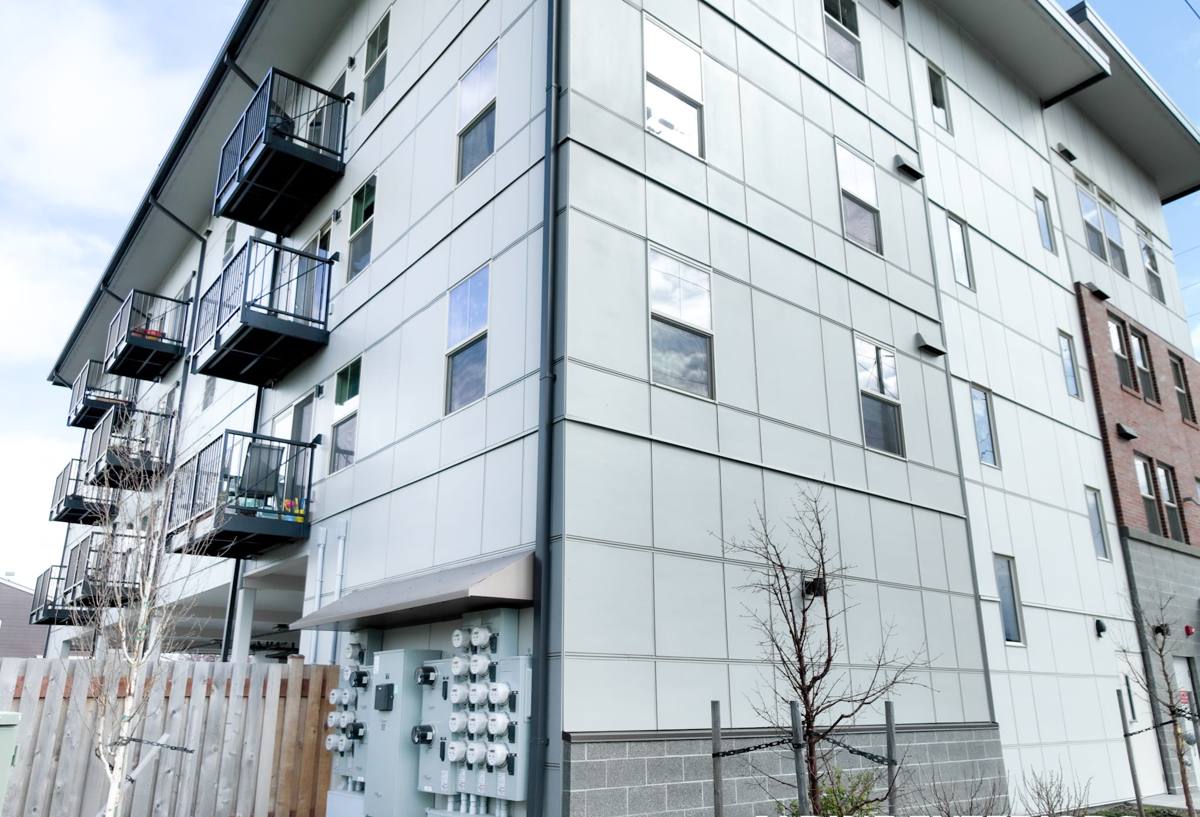
What Actually Drives the Price
Siding cost isn't one number — it's a stack of line items that vary house to house. Understanding each one helps you read a bid instead of just reacting to the total.
House Size and Complexity
Square footage sets the baseline, but complexity moves it more than most people expect. A simple rectangular ranch is fast to side. A two-story home with dormers, bump-outs, multiple gables, and a lot of trim detail takes longer per square foot because of the cutting, fitting, and staging involved — and steep or multi-story sections often require additional scaffolding or lift work.
Tear-Off vs. Overlay
Removing old siding down to the sheathing costs more upfront than siding over an existing layer, but it's the only way to actually inspect and fix what's underneath. In a marine climate like ours, siding over a wall you haven't inspected is how rot problems get sealed in instead of solved.
What's Under the Old Siding
This is the line item nobody can quote sight-unseen. Once the old siding comes off, a contractor may find soft or rotted sheathing, damaged framing, missing or failed house wrap, or water staining around windows and penetrations. Bellingham's rain volume and the moss and mildew that thrive in our shoulder seasons mean sheathing damage around old flashing details is a common — not rare — find. Repair costs get added as a change order once the walls are open.
Material Choice
This is the single biggest lever in the whole budget, and it's the one homeowners have the most control over. We'll break it down in detail below.
Trim, Accessories, and Detail Work
Corner boards, window and door trim, fascia, soffits, and any decorative banding all add labor and material beyond the flat wall area. A house with a lot of architectural detail — bay windows, multiple roof lines, accent trim — will cost more to side well than its square footage alone suggests.
Access and Site Conditions
Tight side yards, mature landscaping close to the walls, second-story sections without easy ladder access, and steep lots all add labor hours. In older Bellingham neighborhoods with narrow lots, this is more common than people expect.
Cost Factors at a Glance
| Factor | Why It Moves the Price |
|---|---|
| Tear-off vs. overlay | Full removal costs more upfront but reveals hidden damage before it's covered |
| Sheathing/framing repair | Only known once old siding is off; can't be accurately quoted in advance |
| Material grade | Vinyl, engineered wood, and fiber cement carry very different material and labor costs |
| House complexity | Gables, dormers, and multiple wall planes slow down cutting and fitting |
| Trim and accessories | Corner boards, fascia, and window trim are priced separately from flat wall siding |
| Access | Tight lots, second stories, and landscaping add labor time and equipment needs |
| Paint or factory finish | Field-applied paint adds a recurring cost; factory-baked finish is priced into the material |
Why Material Choice Changes the Whole Budget
Homeowners often compare siding bids as if the material were interchangeable — it isn't. The material you choose changes not just the upfront number, but what you'll spend over the next 10, 20, and 30 years.
Vinyl
Vinyl is usually the lowest upfront cost per square foot. It's lightweight and fast to install, which keeps labor down. The trade-off is that it's a thin, flexible plastic product — it can crack in impacts, warp or distort near heat sources, and it fades over time with no practical way to repaint it back to its original color without full replacement. In a coastal climate with driving wind-driven rain, seams and J-channel details also matter more than people assume for keeping water out of the wall assembly.
Engineered Wood (LP SmartSide and similar)
Engineered wood products use wood strand or fiber substrates with resin binders, which gives them a more traditional wood look and easier field cutting than fiber cement. The trade-off is that they're still wood-based — moisture exposure at cut edges, seams, and fastener points is the failure point to watch, and long-term performance depends heavily on caulking, paint maintenance, and correct edge sealing during install. In a market with our rainfall totals and a long damp season, that ongoing maintenance discipline is a real, recurring cost.
Cedar and Primed Spruce
Natural wood siding has real curb appeal and a warmth that manufactured products try to replicate. But it's the highest-maintenance option in our climate — it needs regular refinishing, is vulnerable to moisture, insects, and rot, and a missed maintenance cycle shows up fast in a place where moss and mildew are a year-round concern, not just a winter one.
Fiber Cement (James Hardie)
Fiber cement is a blend of cement, sand, and cellulose fibers, pressed and cured into a rigid, dense board. It costs more upfront than vinyl and typically more than engineered wood, but it's non-combustible, doesn't warp or rot the way wood-based products can, and holds paint or its factory finish far longer. It's also heavier and less forgiving to install than vinyl — which is exactly why installation quality matters as much as the product itself, covered below.
Why We Only Install James Hardie
We made a decision years ago to standardize on one product line rather than offer every option on the market. That's not because other products don't have a place — it's because we didn't want to sell a homeowner a product we'd have reservations about recommending for our own climate.
James Hardie fiber cement is non-combustible, which matters more every year given regional wildfire smoke seasons and general fire-safety standards. It comes with a factory-applied ColorPlus finish that's baked on rather than field-sprayed, which means better fade resistance and color consistency than most site-applied paint jobs. Hardie also engineers specific product lines (HZ5 and HZ10) for different climate zones, accounting for moisture and temperature ranges rather than shipping one generic board everywhere. And it carries a strong, transferable limited warranty that adds resale value if you sell the home before the siding's functional life is up.
None of this means other products are junk — vinyl and engineered wood are legitimate, widely used materials. It means that after installing and maintaining siding across a lot of Whatcom County homes exposed to salt air, driving rain, and a long moss season, we settled on the one product we were comfortable standing behind without caveats.
Installation Quality: The Cost Factor Nobody Puts in Writing
A cheap bid on a good material and a good bid on a cheap material can both fail the same way: water gets behind the siding. Fiber cement in particular is unforgiving of installation shortcuts — it needs correct fastening patterns, proper clearances at the ground and roofline, correctly lapped house wrap and flashing, and factory-specified caulking at joints. Skipping these details doesn't show up on day one. It shows up in three to five years as staining, swelling trim, or moisture intrusion at penetrations.
This is why the labor portion of a fiber cement bid is a real cost, not a markup to negotiate away. A contractor quoting well below others on the same material is usually cutting somewhere — thinner fastening schedules, skipped flashing details, or rushed crews. In our rainfall totals, those shortcuts cost far more to fix later than they saved upfront.
What a Fair Bid Should Include
- A full tear-off (or a clear, honest explanation of why overlay is appropriate for your specific walls)
- Inspection of sheathing and framing once old siding is removed, with a written process for how repairs get priced
- House wrap or weather-resistive barrier replacement, not reuse of old, torn material
- Correct flashing at windows, doors, and all penetrations — not just caulk over gaps
- Manufacturer-specified fastening pattern and clearances (ground, roofline, deck)
- Trim, corner boards, and accessory pricing broken out, not buried in a single lump sum
- Clear documentation of material line, color, and warranty terms in writing
Questions Worth Asking Before You Sign
A written estimate tells you the price. A short conversation tells you whether the crew doing the work actually understands the assembly they're building. Before hiring anyone, it's worth asking directly how they handle the moments where the plan meets reality — because that's where quality and cost both get decided.
What to Ask Any Contractor
- What happens, cost-wise, if you find rotted sheathing once the old siding is off?
- Are you replacing the house wrap, or reusing what's there?
- Who is doing the actual installation — your crew, or subcontracted labor?
- What's the manufacturer's required fastening schedule, and will you follow it exactly?
- What warranty covers the material, and what warranty covers your labor separately?
Budgeting for the Whole Project, Not Just the Siding
It's worth thinking about siding replacement as one project with several possible cost centers, not a single flat number. Beyond the material and base labor, homeowners in our area should budget mentally for the possibility of: sheathing or framing repair once walls are opened, updated flashing at windows and doors if the existing details are outdated or failing, and any trim carpentry needed to match new siding thickness to existing window and door casings. A contractor who tells you a firm, all-in number with zero caveats before ever opening a wall is either guessing or planning to change-order you later. A contractor who explains the range and the reasons for it is giving you a more honest starting point.
Get a Straight Answer for Your House
Every home in Bellingham carries its own history — sun exposure, past repairs, how close it sits to the water, how well it's been maintained. The only way to get a real number instead of a guess is to have someone look at your specific walls, trim, and site conditions. We're happy to walk your home, explain what we see, and put together a straightforward, no-pressure estimate — no obligation, just a clear picture of what your project actually involves.