 Bellingham Siding
 Allura Isn't a Bad Product — It's Just Not What We Put on Bellingham Homes
Homeowners in Bellingham and around Whatcom County occasionally ask us to quote a job using Allura fiber cement siding, usually because a competing bid came in with it, or because a homeowner found it online while comparing options. We get the question a lot, so we want to answer it honestly instead of dodging it: we don't install Allura. Not because it's junk, but because after years of installing fiber cement in this specific climate, we made a deliberate call to standardize on one manufacturer's system rather than juggle several, and Allura didn't make the cut for reasons that matter here more than they might somewhere drier.
This page explains what Allura actually is, where it holds up fine, where we've seen the trade-offs bite homeowners on the water side of Washington, and why James Hardie is the only fiber cement siding we put our name behind.
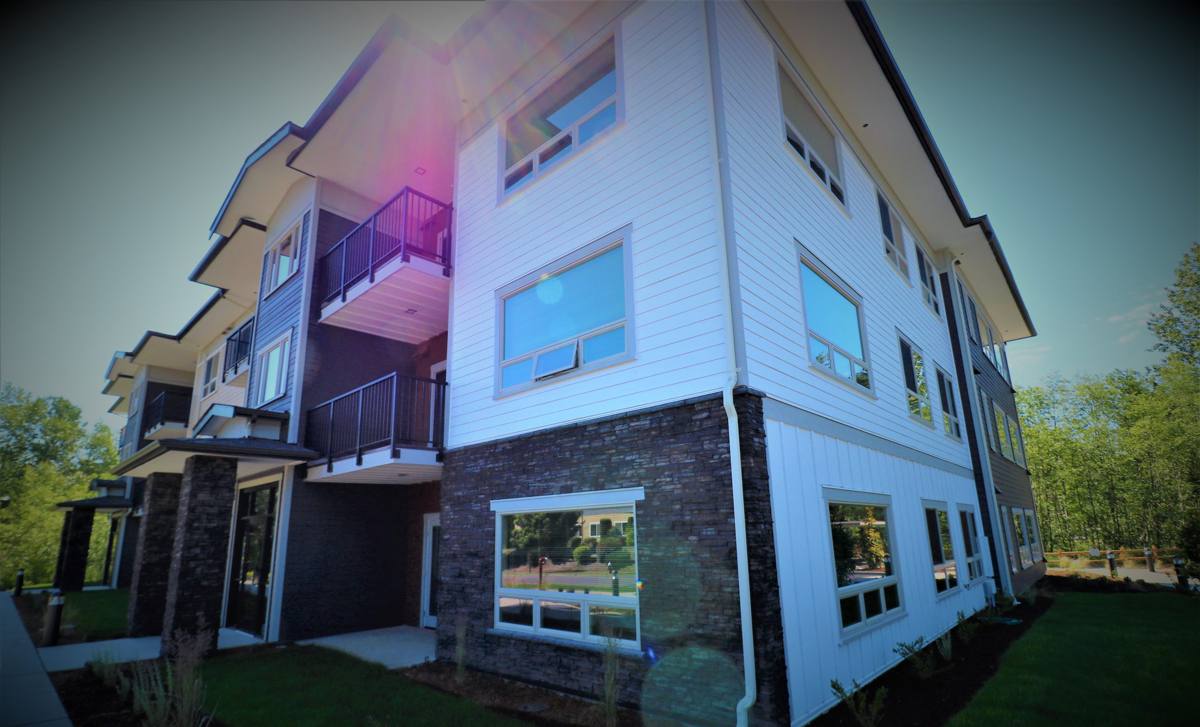
What Allura Fiber Cement Actually Is
Allura (formerly known as Nichiha's cement board business before changing hands, and often confused with the older "Cemplank" branding) makes a Portland cement, sand, and cellulose fiber board that's manufactured essentially the same way as most fiber cement products on the market, including Hardie's. On paper, the raw material science is close: non-combustible, resistant to rot and insects, and a reasonable substitute for wood siding that won't feed woodpeckers or absorb water the way solid wood does.
Allura is a legitimate, code-compliant product. It's ICC-ES rated, it's sold through real lumberyards, and plenty of contractors install it without issue. We're not here to tell you it fails. We're here to explain why our shop doesn't carry it.
Where the Difference Actually Shows Up
Fiber cement is a manufacturing-sensitive product. Two boards that look identical on a spec sheet can perform differently depending on how consistently the plant controls moisture content, how the factory finish is baked on, and how tight the manufacturer's own installation tolerances are. That's where we've seen the gap between Allura and Hardie widen — not in the raw chemistry, but in the finish system, the warranty backing, and the amount of installer error each product forgives.
The Real-World Trade-Offs We Weigh Before Refusing a Product
Factory Finish Consistency
Hardie's ColorPlus finish is baked on in a multi-coat, factory-controlled process specifically engineered to resist UV fade and hold color uniformity across a full order — which matters when you're re-ordering trim boards eight months into a project and need them to match. Allura also offers factory-primed and pre-finished options, but our experience sourcing and matching Allura color runs locally has been less consistent than we're comfortable standing behind on a job where the homeowner is paying for a finish that should last a decade or more without visible seams between install phases.
Moisture Behavior in a Wet Marine Climate
Bellingham sits right on Bellingham Bay, which means every exterior product on a home here deals with salt-laden air, driving rain off the Strait, and a moss season that can run eight or nine months out of the year on north-facing walls. Fiber cement in general handles this far better than wood or OSB-based products, but the margin for error at butt joints, cut edges, and fastener penetrations still matters. Hardie's installation specs and the training their certified installers go through are built specifically around correct sealing and flashing details for exactly this kind of exposure. We didn't find the same depth of regional installation guidance and field support behind Allura, and in a climate this unforgiving of a sloppy joint, that gap isn't one we're willing to install around.
Warranty Structure
This is the one that matters most to homeowners even if it's the least visible on install day. A warranty is only as good as what it actually covers and how easily it transfers if you sell the house. Hardie's warranty on the ColorPlus finish and the substrate itself is long-dated, well-documented, and transfers to a new owner with minimal hassle — a real selling point when you eventually list the house. We reviewed Allura's warranty terms and found them serviceable but shorter on the finish side and less proven over time simply because Hardie has been in North American siding longer and has a much larger installed base to point to.
Allura vs. James Hardie: Side by Side
| Factor | Allura Fiber Cement | James Hardie |
|---|---|---|
| Core material | Portland cement, sand, cellulose fiber | Portland cement, sand, cellulose fiber |
| Factory finish | Primed or pre-finished options available | ColorPlus baked-on, multi-coat, UV-engineered |
| Climate-specific product lines | General-purpose boards | HZ5 line engineered for wet, freeze-prone regions like the Pacific Northwest |
| Local color-match consistency | Variable across supply runs, per our experience | Consistent, factory-controlled batch matching |
| Warranty transferability | Standard transfer terms | Long-term, well-documented, easy transfer to new owner |
| Installed base / track record | Smaller regional presence | Long-standing, widely proven in Western Washington |
Why We Standardized on One Manufacturer Instead of Offering Both
Some contractors carry multiple fiber cement brands and let the homeowner pick based on price. We used to think about it that way too, until we tallied up how many callbacks, mismatched trim orders, and warranty headaches traced back to juggling different manufacturers' specs, fastening schedules, and finish systems on different jobs. Running one system means our crews install the same product, the same way, on every job — which means fewer mistakes, faster call-backs to the same supplier when something doesn't line up, and one warranty process instead of three we'd have to learn and re-learn.
It also means when we tell you how a wall assembly will perform against Bellingham's rain and salt air, we're speaking from a decade of installing the exact product going on your house, not from a spec sheet.
What This Means If You Already Have Allura Siding
If your current home has Allura siding installed by someone else, that's not an emergency and not a reason to panic. It's a legitimate fiber cement product, and if it was installed correctly with proper flashing and joint treatment, it should perform reasonably well. We're happy to inspect an existing Allura installation, point out anything that concerns us — usually joint sealing or fastener placement, the same issues that show up on any fiber cement job done in a hurry — and give you an honest read on its condition. We just won't be the ones installing more of it.
Why James Hardie Is What Goes on the Truck Instead
We install Hardie's HZ5 product line, which is specifically formulated for regions like Whatcom County that get sustained wet weather rather than the drier, more moderate climates some fiber cement lines are engineered around. Combined with the ColorPlus factory finish and Hardie's warranty structure, it gives us a single system we can install to spec every time, back with a real manufacturer warranty, and trust to hold up against moss, salt air, and driving rain without us having to explain away a shorter track record.
What to Look for Regardless of Which Siding You're Considering
- Ask whether the installer is factory-certified on the specific product they're quoting, not just "experienced with fiber cement" in general
- Get the manufacturer's actual installation manual and confirm the bid follows its fastener spacing and joint-sealing requirements
- Ask what the finish warranty covers versus the substrate warranty — they're often different lengths
- Confirm whether the warranty transfers to a future homeowner and what paperwork that requires
- Ask how the product performs specifically in coastal, high-moisture climates, not just its general national rating
- Get color and batch consistency in writing if your project will be built out over multiple phases
A Straight Answer, Not a Sales Pitch
We're not going to tell you Allura will fail on your house, because that's not something we can honestly claim, and it wouldn't be a fair thing to say about a legitimate manufacturer. What we can tell you is that after installing fiber cement across Bellingham and Whatcom County through a lot of wet winters and mossy summers, we found the finish consistency, climate-specific product engineering, and warranty backing on Hardie's system to be the stronger bet for a homeowner who wants to install siding once and not think about it again for decades. That's the standard we hold every job to, and it's why we stopped quoting Allura rather than sell you on something we wouldn't put on our own house.
If you're comparing bids or just want a straight answer about what's actually going on your walls, we're glad to walk through it. Reach out for a free, no-pressure estimate — we'll look at your home, talk through the options honestly, and tell you what we'd actually recommend.