 Bellingham Siding
 Windows Built for Puget's Marine Climate
Homes in the Puget area of Bellingham sit close enough to the water that the weather isn't an abstraction — it's a daily condition your windows either handle or don't. Salt-laden air pits and corrodes hardware that isn't rated for it. Driving rain, pushed sideways by wind off the Sound, finds every gap in old flashing and worn weatherstripping. And the long, damp moss season that runs from fall through spring keeps sills, sashes, and trim wet for months at a time. Window replacement here isn't just a cosmetic upgrade — it's a chance to correct decades of accumulated moisture exposure before it becomes a bigger problem in the wall behind the window.
We work on homes throughout Whatcom County, and the Puget neighborhood has its own personality: a mix of older housing stock with original single-pane or early dual-pane windows, and newer construction where even "good" windows from twenty years ago are starting to show their age. Whatever your home's era, the fix is the same in principle — get the water out, keep the water out, and give the window a real chance to perform in a marine climate.
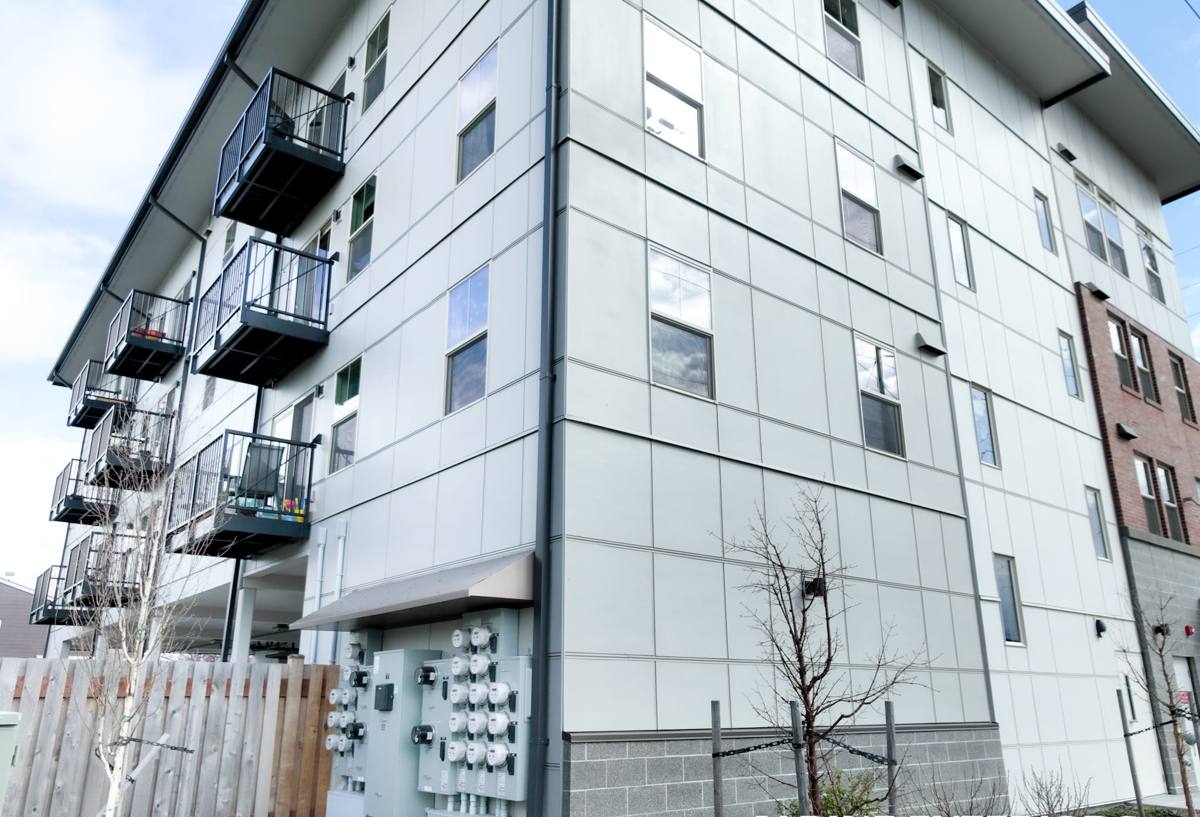
What Puget Homes Are Up Against
Most window failures we find aren't really about the glass. The glass unit — the sealed pane assembly — can fail on its own (fogging between panes is a classic sign), but far more often the problem is what's happening around the window: the frame, the flashing, and the seal between the window and the wall. In a climate that gets sustained wind-driven rain and long stretches without real drying weather, any small gap becomes a slow leak. Slow leaks don't announce themselves. They show up as soft trim, discolored drywall, a musty smell, or — worse — rot in the framing that isn't visible until a wall is opened up.
Moss and organic growth add a second layer of wear that's easy to underestimate. Moss holds moisture directly against wood sills and trim, extending the amount of time those surfaces stay wet after a storm. On top of that, salt air accelerates corrosion in aluminum frames, steel fasteners, and window hardware — locks, hinges, and balances that would last decades inland can seize up or fail years earlier this close to the water. None of this is a defect in your home; it's just what this climate does to building materials over time, and it's exactly why the replacement and the installation both need to be matched to local conditions, not generic ones.
Signs Your Windows Need Replacing
Not every drafty window needs full replacement, but there's a point where repair stops making sense. Here's what we look for during an assessment:
- Fogging or a visible haze between panes — the sealed glass unit has failed and can no longer be repaired, only replaced
- Windows that are difficult to open, close, or lock, especially if hardware feels gritty or corroded
- Visible gaps between the window frame and the wall, or daylight showing around the sash
- Soft, spongy, or discolored wood at the sill, jamb, or interior trim
- Condensation forming on the inside of the glass regularly, even with normal indoor humidity
- A noticeable draft or cold spot when standing near the window on a windy day
- Paint or finish that keeps failing at the same spot no matter how often it's touched up
- Rising heating bills without another clear explanation
If you're seeing two or more of these, it's worth having someone take a real look — not just at the window, but at what's happening in the wall around it.
What a Correct Window Replacement Job Involves
It's Mostly About What You Can't See
A window replacement is judged almost entirely on work that gets covered up. Once trim is back on and the new window is caulked, a rushed installation and a correct one look identical from the curb — until the next big storm season, when the difference shows up as a leak. Doing it right means treating the opening as a system, not just swapping a box.
The Core Steps
- Remove the old window and inspect the opening. This is the point where hidden rot, missing flashing, or past shortcuts get found — and where they need to be dealt with before anything new goes in.
- Repair or rebuild the rough opening as needed. Damaged framing gets replaced. Skipping this step to save time just seals a problem behind a new window.
- Install flashing correctly, in the right order. Sill pan flashing, side flashing, and head flashing need to overlap in a way that sheds water downward and outward, integrated properly with the home's water-resistive barrier.
- Set the new window level, plumb, and properly shimmed. A window that's slightly out of square will bind, leak, or wear unevenly at the hardware over time.
- Seal and insulate the gap between frame and rough opening. This isn't just caulk — it's low-expansion foam or backer rod and sealant designed to move with the building without cracking.
- Finish with exterior trim and weatherproof caulking rated for the temperature swings and UV exposure of this climate, then confirm proper drainage at the sill before closing everything up.
Every one of these steps matters more in a place like Puget than it would somewhere dry and inland, because there's less margin for error when the weather is actively testing the seal for months at a stretch.
Window Types & Materials: What Holds Up Here
There's no single "best" window material — there's a best fit for your home, your budget, and this climate. Here's how the common options generally perform in a marine environment with salt air and heavy seasonal rain:
| Material | How It Handles This Climate | Maintenance |
|---|---|---|
| Vinyl | Doesn't corrode from salt air; handles moisture well; can expand/contract with big temperature swings | Low — occasional cleaning, no repainting |
| Fiberglass | Very stable in temperature swings, strong moisture resistance, holds paint well if a custom color is wanted | Low — durable finish, minimal upkeep |
| Wood (clad exterior) | Warm interior look; exterior cladding protects wood from rain, but any breach in the cladding invites moisture into the wood core | Higher — exterior cladding and seals need periodic inspection |
| Aluminum | Prone to corrosion and pitting in salt air over time; conducts cold, which can increase condensation risk | Moderate to high — hardware and finish need more frequent attention here |
For most Puget-area homes, we steer clients toward vinyl or fiberglass frames specifically because of the salt air and rain exposure — not because other materials are bad products, but because low-maintenance, corrosion-resistant materials make more sense when the climate is going to test the window every single winter. If you want the look of wood, a well-clad wood window can still work — it just needs a homeowner willing to keep an eye on the cladding and seals over the years.
Energy Performance and Comfort in a Marine Climate
Whatcom County doesn't get brutal winter cold the way inland climates do, but it does get persistent damp chill, wind, and long stretches of gray weather where the heat runs continuously. Two ratings matter most for a home in this environment:
- U-factor — measures how well the window resists heat loss; lower is better for keeping heat in during our cool, wet months
- Condensation resistance — measures how well the window resists interior moisture buildup on the glass, which matters a lot in a humid coastal climate where indoor-outdoor temperature differences and moisture levels can cause fogging on the glass itself
A well-sealed, well-rated window pays off twice here: it lowers heating costs during the wet season, and it reduces the interior condensation that can otherwise drip down onto sills and encourage the same kind of moisture problems we're trying to eliminate on the outside of the house.
Our Process, Start to Finish
We keep the process straightforward because homeowners have enough to manage without a confusing sales process on top of it:
- Free on-site assessment. We look at your current windows, the condition of the surrounding trim and framing, and talk through what you actually need versus what's optional.
- Honest, itemized estimate. No pressure, no artificial deadlines — just a clear breakdown of the work and materials.
- Scheduling around your home and the weather. We plan installation windows with an eye on the forecast, since an open wall in a rainstorm is never the goal.
- Installation following the full flashing and sealing sequence described above — no shortcuts, no skipped steps.
- Final walkthrough. We check operation, sealing, and finish work with you before calling the job done.
Why a Crew That Already Works Puget Matters
There's a real difference between a crew that installs windows generically and one that's used to doing it in this specific setting. A crew familiar with the Puget area already understands how homes here are typically built, what kind of moisture and wind exposure to plan around on a given block, and how the local building department handles permitting for window replacement — which can save real time compared to a crew learning Whatcom County's requirements on the fly. It also means we're not guessing about material choices; we've seen how vinyl, fiberglass, and clad-wood windows actually hold up a few winters into life in this climate, not just how they're rated on paper.
Local also means accountability. If something needs a look after the fact, we're not driving in from out of the area — we're already working in the neighborhood.
Maintenance After Installation
A correctly installed window in the right material should need very little from you, but a small amount of seasonal attention goes a long way in this climate:
- Rinse salt residue off frames and glass periodically, especially after storms with onshore wind
- Clear debris and moss from sills and tracks so water can drain rather than pool
- Check exterior caulking once a year for cracking or gaps and have it touched up before it fails
- Operate locks and hardware a few times through the year so mechanisms don't seize from disuse
- Watch for any new soft spots in interior trim, which can be an early sign a seal needs attention
None of this is heavy maintenance — it's the kind of five-minute check that catches a small issue before it becomes a wall repair.
Get a Free, No-Pressure Estimate
If your windows are fogging, drafting, sticking, or just showing their age, it's worth having a local crew take a look before another wet season adds to the wear. Fill out the form below for a free estimate on window replacement for your Puget-area home — no obligation, just an honest assessment of what your home actually needs.