 Bellingham Siding
 Windows Built for What Whatcom County Throws at Them
Window installation looks straightforward from the outside — pull the old unit, set the new one, caulk the edges. In practice, it's one of the easiest jobs to get wrong in a way that doesn't show up for a year or two, especially in a marine climate like ours. In the York neighborhood, windows deal with a specific combination of conditions: salt-laden air drifting in off Bellingham Bay, wind-driven rain that hits siding sideways rather than straight down, and a long stretch of the year when moss, algae, and standing moisture are just part of daily life. A window that's installed correctly for a drier inland climate can still fail here if the water management details weren't built for this kind of exposure.
This page is about one job, done right, in one part of town: window installation for homes in York. Not a general overview of every window product on the market — just what actually matters for houses in this specific corner of Whatcom County.
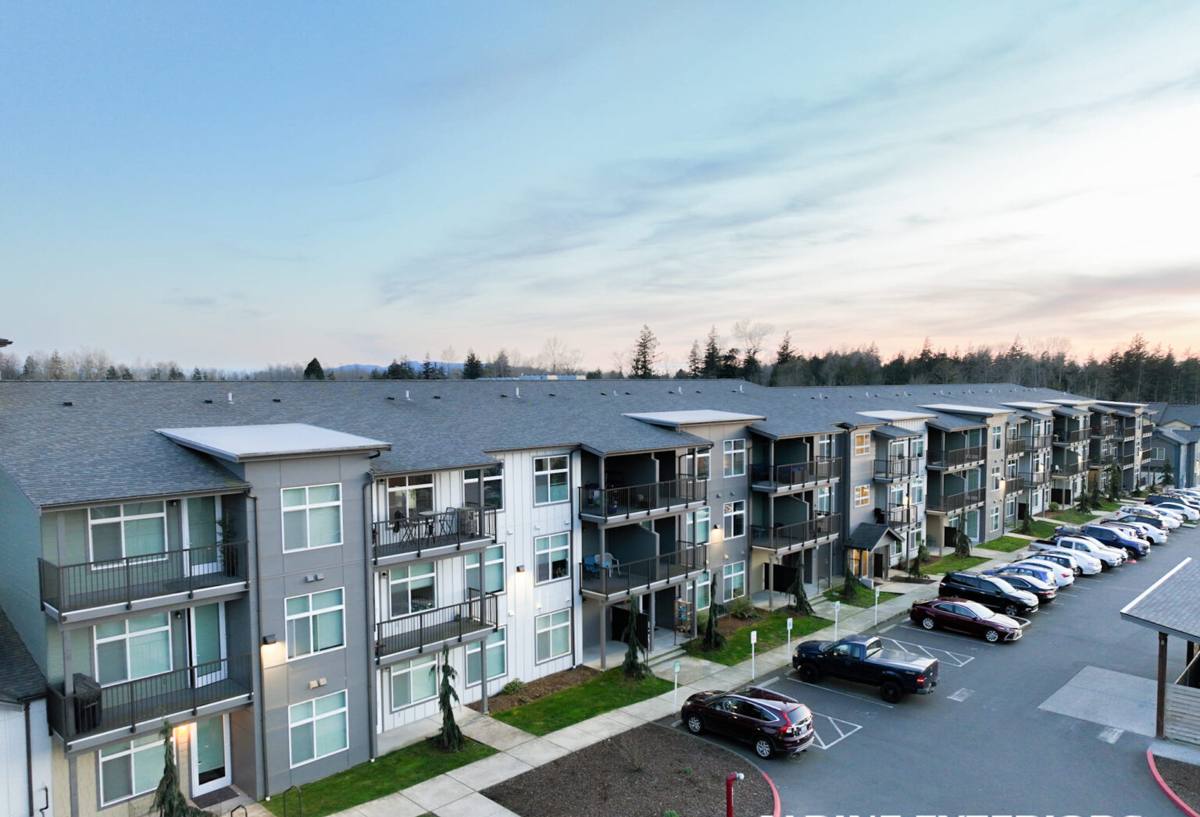
How Salt Air, Rain, and Moss Season Wear Down Windows
Every material around a window opening is affected differently by our climate, and it helps to understand why before deciding what to fix or replace.
Salt Air
Proximity to the water means airborne salt settles on window frames, hardware, and fasteners. Over years, this accelerates corrosion on lower-grade metal components — hinges, cranks, screws, and some flashing metals — even when the glass and frame look fine. Aluminum-clad and vinyl frames handle this better than bare steel or unprotected fasteners.
Driving Rain
Bellingham doesn't just get a lot of rain; a good share of it arrives at an angle, pushed by wind off the Sound. That means water is regularly forced sideways against window edges and up under trim in ways that vertical-only rain never would. If the flashing and sealant details around a window aren't built to shed water moving in multiple directions, moisture finds its way behind the siding and into the wall cavity — often silently, for years, before anyone notices a soft spot or a stain.
Moss Season
Our extended wet, shaded season keeps moss and algae active on north-facing walls, window sills, and anywhere airflow and sun exposure are limited. Moss holds moisture against wood trim and siding far longer than open air would, which is exactly the condition that causes rot to start at window sills and corners — often the first place trouble shows up on an older home.
Signs Your York Home's Windows Need Attention
Not every window problem means a full replacement, but these are the signals worth taking seriously before they become bigger repairs:
- Soft, spongy, or discolored wood at the sill or bottom corners of the window frame
- Persistent fogging or moisture between panes on double- or triple-glazed units (a sign the seal has failed)
- Drafts you can feel near the frame even when the window is fully latched
- Paint that's cracking, peeling, or bubbling specifically around the window opening, not the whole wall
- Windows that are difficult to open, close, or lock — often a sign the frame has shifted or swollen
- Visible gaps between the window trim and siding, or caulking that's cracked and pulling away
- Moss or dark staining building up on the sill or the wall directly below the window
Any one of these on its own might just need maintenance. Several at once, especially on an older window, usually means the installation has reached the end of what caulk and paint can fix.
What a Correct Window Installation Actually Involves
The window unit itself is only part of the job. What happens around it — the parts you don't see once trim goes back on — is what determines whether the installation holds up through a Whatcom County winter or starts leaking within a couple of seasons.
Removal and Opening Inspection
Once the old window is out, the rough opening gets inspected before anything new goes in. This is the point where hidden rot, damaged sheathing, or old water damage becomes visible — and the point where it needs to be dealt with, not covered over. Installing a new window over a compromised opening just hides the problem behind a fresh frame.
Flashing and Water Management
Flashing is what directs water around the window opening and back out, rather than letting it soak into the wall. For homes exposed to wind-driven rain, this means proper integration with the house wrap or building paper in the correct shingle-lap order — sill flashing first, then side flashing, then head flashing overlapping on top, so water moving down the wall is always directed outward, never trapped behind a layer above it.
Sill Pans and Sealant
A sloped sill pan under the window gives any water that does get past the glass a path back outside instead of pooling against the wood sill. Combined with the right sealant at the right joints — not sealant everywhere, which can actually trap moisture instead of releasing it — this is one of the biggest differences between a window that lasts and one that doesn't.
Insulation, Shimming, and Finish
The window needs to be shimmed level and square, insulated around the frame without over-packing (which can bow the frame), and finished with trim and caulking that match the home. A window that's slightly out of square will bind, leak air, and wear its hardware faster, even if it looked fine going in.
Choosing the Right Window for a Bellingham Home
There's no single "best" window material — the right choice depends on the home's age, exposure, and how much upkeep the owner wants to do. Here's how the common options compare for a marine climate like ours:
| Frame Material | Moisture Performance | Maintenance | Typical Fit |
|---|---|---|---|
| Vinyl | Good — won't rot or corrode; seams are the main watch point | Low — no painting, occasional cleaning | Most homes; strong value in wet climates |
| Fiberglass | Very good — dimensionally stable in wet/dry cycles | Low to moderate | Homes wanting a more solid feel or paintable finish |
| Wood (clad exterior) | Depends heavily on cladding integrity and installation quality | Higher — interior wood still needs care | Older or historic-style homes prioritizing appearance |
| Aluminum | Prone to condensation and corrosion near salt air unless thermally broken | Moderate | Generally not our first recommendation this close to the water |
We don't push one brand or material on every job. Our standard is matching the product to the home's exposure and the owner's tolerance for upkeep, and being upfront about the trade-offs — including where a lower-maintenance option makes more sense than a higher-end product that requires more attention than most owners want to give it.
Our Process, Start to Finish
Assessment
We start by looking at the actual condition of your existing windows and openings, not just measuring for replacements. That includes checking for hidden rot, past water intrusion, and how exposed each window is to prevailing wind and rain.
Installation Day
Openings are protected from weather throughout the job — we don't leave a house with open walls overnight in a climate where an unexpected shower is never far off. Old units come out, openings get inspected and repaired as needed, and new windows go in with proper flashing, sill pans, and insulation, not just caulk and trim.
Cleanup and Walkthrough
Every window gets tested for smooth operation and a proper seal before we call the job done, and we walk the homeowner through what was found and what was done — especially if we uncovered hidden moisture damage that needed attention beyond the original scope.
Cost Factors to Expect
Window installation pricing varies by size, access, material, and condition of the existing opening. As a general guide for the region:
| Factor | Why It Affects Cost |
|---|---|
| Window material (vinyl vs. fiberglass vs. wood-clad) | Material cost and installation complexity vary significantly |
| Rough opening condition | Hidden rot or old water damage adds repair time before the new window can go in |
| Window size and configuration | Larger units, bay windows, and multi-panel setups take more labor and material |
| Access and story height | Second-story or hard-to-reach windows require more setup and time |
| Number of windows | Per-unit cost typically drops on multi-window projects done together |
Most single-window replacement projects in this region fall in a broad range of roughly $600 to $1,500 installed, depending on the factors above — with full-home projects and larger or specialty windows running higher. We'll always give you actual numbers for your specific windows rather than a generic estimate.
Why Local Experience in York Matters
A crew that mainly works inland, or in drier parts of the state, isn't necessarily thinking about wind-driven rain and salt air as the default condition to design around — it's an occasional consideration instead of the baseline. Working regularly in neighborhoods like York means we're used to seeing how Whatcom County's climate actually affects window openings over time: where moss tends to build up, which sides of a house take the worst of the weather, and what a rushed installation from years past tends to look like once it starts failing. That's the kind of pattern recognition that only comes from doing this work here, repeatedly, not from a general contractor's checklist.
Get a Free, No-Pressure Estimate
If your windows are showing any of the signs above, or you're just planning ahead for a home in York, we're happy to take a look and give you a straight answer about what's actually needed — whether that's a full replacement, a repair, or nothing urgent at all. Use the form below to request a free estimate; there's no obligation and no pressure.