 Bellingham Siding
 South Hill Roofs Face a Different Set of Problems
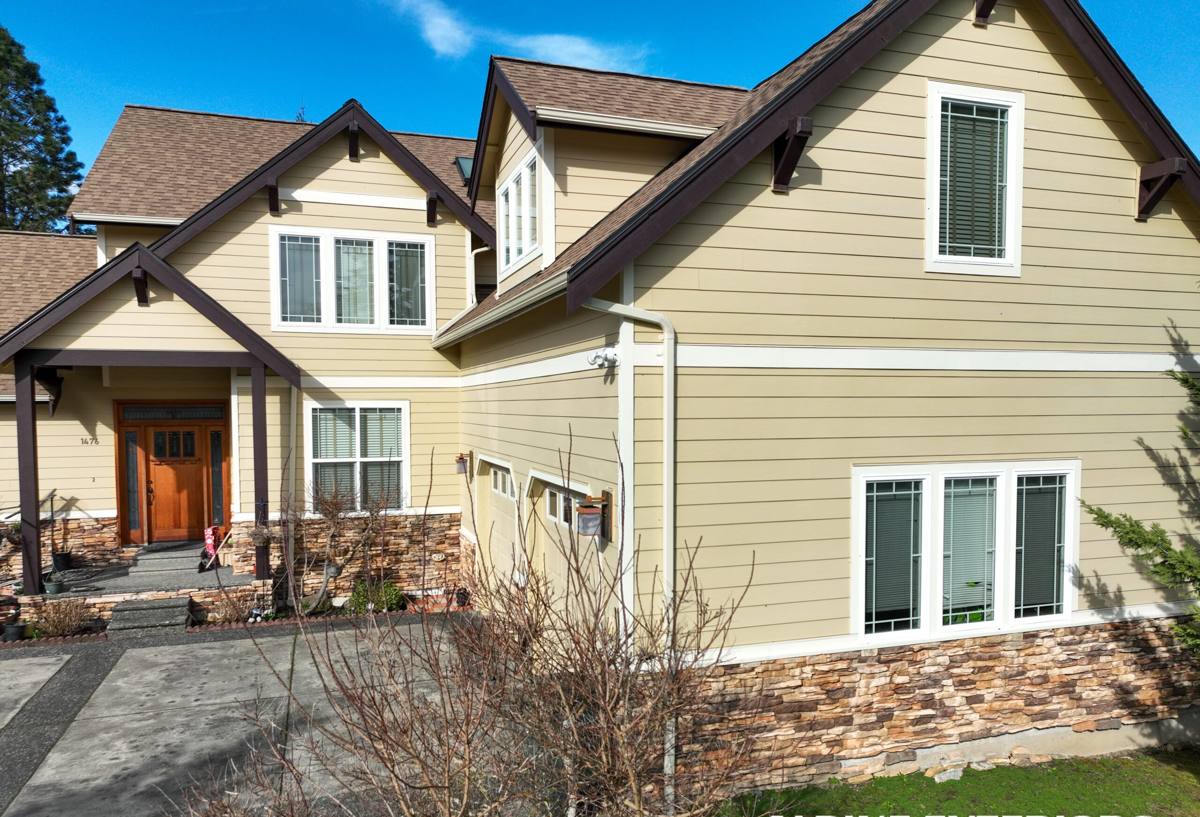
South Hill sits above Bellingham Bay, which means homes here catch a version of our regional weather that flatter neighborhoods don't get quite as hard. Elevation and exposure bring more wind-driven rain against the roof deck, more salt-laden air off the water, and — thanks to the mature tree canopy that gives the neighborhood its character — more shade, more debris, and a longer moss season than you'll find on an open lot. Add in a housing stock that mixes older homes with decades of roofing history and newer builds, and you get a neighborhood where "just replace the shingles" often isn't the whole story.
A roof replacement done right for a South Hill home accounts for all of that: the deck underneath, the ventilation above, the flashing details around every penetration, and the specific way Whatcom County's wet season stresses a roofing system year after year. This page covers what that actually looks like.
The Bellingham Climate Factor
Three things define roofing conditions in this part of Whatcom County, and South Hill gets a concentrated dose of all three.
Salt Air
Proximity to the bay means airborne salt settles on roofing materials and metal components. Over years, that accelerates corrosion on unprotected fasteners, flashing, and vents. It's not dramatic — it's slow, cumulative wear that shows up as rust streaks, pitted metal, and fastener failure well before a comparable inland roof would show the same signs.
Driving Rain
Bellingham doesn't just get a lot of rain — a good portion of it arrives sideways, pushed by wind off the Sound and the Strait. Wind-driven rain finds gaps that vertical rain never would: under shingle tabs, around chimney flashing, at valleys and low-slope transitions. A roof that would keep a drier climate's rain out can still leak here if the flashing and underlayment details weren't built for wind-driven exposure.
Moss Season
Shade from mature trees plus near-constant moisture from fall through spring adds up to a long moss season on South Hill roofs — often longer than on more exposed, sun-exposed lots elsewhere in the city. Moss isn't just cosmetic. It holds moisture against the roofing material, lifts shingle edges as it grows, and works its way into seams over time, shortening the effective life of the roof if it isn't kept in check.
Repair or Replace? Signs to Watch For
Not every roof problem on South Hill means a full replacement. But there's a point where patching stops making financial sense and a full tear-off becomes the honest recommendation. Here's how we sort that out during an inspection:
- Granule loss: Bald patches on asphalt shingles, or granules collecting in gutters, mean the shingle's protective layer is wearing through.
- Curling or cupping shingles: Widespread curling across the roof, not just one or two shingles, usually signals the material is at the end of its service life.
- Persistent moss regrowth: If moss comes back within a season or two of cleaning no matter what you do, it's often a sign the roofing material has lost its ability to shed moisture properly.
- Soft or spongy decking: Found during an attic inspection or when walking the roof, this points to moisture that's already reached the wood underneath.
- Repeated leak locations: The same spot leaking more than once, even after repair, usually means the underlying flashing or decking is compromised, not just the surface material.
- Age: A roof approaching or past the upper end of its material's expected lifespan, especially one that's taken the full brunt of South Hill's exposure, is a candidate for planned replacement rather than a wait-and-see approach.
When a roof only shows one or two of these signs, targeted repair is usually the right call, and we'll say so. When several show up together, patching becomes a short-term fix for a problem that's already spread underneath the surface.
What a Proper Roof Replacement Includes
A roof replacement is more than swapping old shingles for new ones. On a South Hill home, skipping any of the following steps is exactly how a brand-new roof ends up with the same moisture problems as the old one, just delayed a few years.
Full Tear-Off and Deck Inspection
We remove the existing roofing material down to the deck rather than layering new material over old — layering traps moisture and hides deck damage. Once the deck is exposed, we inspect it for soft spots, delamination, or rot and replace any compromised sheathing before anything new goes down.
Underlayment Suited to Wind-Driven Rain
Given how much of our rain arrives at an angle, underlayment selection matters more here than in drier climates. We use synthetic or ice-and-water underlayment at vulnerable points — eaves, valleys, and around penetrations — to give the roof a second line of defense when wind pushes water past the surface material.
Ventilation That Fights Moss and Moisture
Proper intake and exhaust ventilation keeps the attic and roof deck at a temperature and moisture level that discourages moss growth and prevents condensation from building up under the roofing material. A roof replacement is the right time to correct ventilation problems that were baked into the original construction.
Flashing That Matches the Home
Chimneys, skylights, vent stacks, and roof-to-wall transitions are where most leaks actually start. We install new flashing at every one of these points rather than reusing old flashing, and we use corrosion-resistant materials given the salt exposure this neighborhood sees.
Gutter and Drip Edge Integration
With the volume of rain South Hill sheds off a roof, gutters and drip edges need to work as a system with the roofing material, not as an afterthought bolted on at the end. We check that water leaving the roof actually gets carried away from the fascia and foundation.
Choosing the Right Roofing Material for South Hill
There's no single "best" roofing material — the right choice depends on your home's structure, your budget, and how much long-term maintenance you're willing to take on. Here's an honest comparison of the main options homeowners in this neighborhood consider.
| Material | Typical Lifespan | Moss & Moisture Behavior | Relative Cost |
|---|---|---|---|
| Architectural asphalt shingles | 25–30 years | Good with proper ventilation; needs periodic moss treatment | Lower to moderate |
| Standing seam metal | 40–50+ years | Sheds moisture and moss very well; minimal maintenance | Higher upfront |
| Composite/synthetic shake | 30–50 years | Resists moisture absorption better than wood shake | Moderate to higher |
| Cedar shake | 20–30 years | Attractive but needs consistent upkeep to manage moss and rot in our wet climate | Moderate to higher |
We generally steer homeowners away from wood shake for South Hill roofs specifically because of the maintenance burden it creates in a long moss season — not because it's a bad product everywhere, but because the upkeep schedule needed to keep it performing well in this climate is more than most homeowners want to take on. Architectural asphalt remains the most common choice because it balances cost, appearance, and performance when installed with the right underlayment and ventilation. Metal roofing is worth serious consideration for homeowners planning to stay long-term, given how well it handles both driving rain and moss.
Our Roof Replacement Process
- On-site inspection: We walk the roof and attic, document existing conditions, and identify any deck or ventilation issues before quoting anything.
- Written estimate: You get a clear, itemized estimate covering material, labor, tear-off, disposal, and any deck repair contingencies — no surprise change orders for problems we should have caught up front.
- Material selection: We walk through the options above based on your home, budget, and how long you plan to own it.
- Scheduling around weather: Given how much of our rain comes in fall through spring, we plan installation windows to minimize the number of days your deck is exposed.
- Tear-off and deck repair: Old material comes off, the deck gets inspected and repaired as needed, and you're told immediately if we find anything beyond the original scope.
- Installation: Underlayment, flashing, ventilation components, and finish material go in, in that order, following manufacturer specifications for the product you chose.
- Final walkthrough: We review the completed roof with you, including gutters and drip edges, before calling the job done.
Why Local Experience Matters on South Hill
A roofing crew that regularly works South Hill knows the neighborhood's patterns before they ever get on the roof: which slopes tend to hold moss longest, where wind off the bay hits hardest, and how the mix of older and newer construction affects what's under the surface. That's not something you get from a crew that mostly works other parts of Whatcom County and treats South Hill as just another stop.
It also matters for accountability. A local crew is easy to reach if something comes up after the job, easy to check references for, and has a reputation in the neighborhood worth protecting. That's a meaningfully different relationship than a traveling crew that's moved on to the next city by the time any issue would show up.
Choosing a Roofing Contractor: What to Check
- Washington State contractor license and current bonding/insurance, verifiable through the state's public license lookup
- Manufacturer certifications for the specific material you're installing, if you want manufacturer-backed warranty coverage
- A written estimate that itemizes tear-off, disposal, underlayment, flashing, and any deck repair contingency — not just a single lump-sum number
- Willingness to inspect your attic and deck before quoting, not just the visible roof surface
- A clear explanation of how they'll handle weather delays given our wet season
- References or completed work you can actually see, ideally in this area, so you know they understand local conditions
Get a Straight Answer About Your Roof
If your South Hill roof is showing wear, or you're just not sure whether you're looking at a repair or a replacement, we're glad to come take a look. We'll give you an honest assessment, walk you through what we find, and put together a written estimate with no pressure to sign anything on the spot. Use the form below to request your free estimate.