 Bellingham Siding
 Siding Installation in Columbia: What the Climate Actually Demands
Columbia sits close enough to the water and to Bellingham's tree cover that its homes take on a specific combination of punishment: salt-tinged air moving in off the bay, driving rain that comes sideways more often than straight down, and long stretches of gray, damp weather that keep exterior surfaces wet for days at a time. Add in the shade from mature trees on many Columbia lots, and you get moss and algae growth that can start well before winter is over and doesn't fully let go until late spring.
None of that is unusual for Whatcom County. But it matters enormously when you're choosing a siding product and a crew to install it, because siding in this neighborhood isn't just cosmetic — it's the thing standing between a wood-framed house and months of sustained moisture exposure every year. A siding job that would hold up fine in a drier climate can fail here in a fraction of the time if it's the wrong product, or if it's installed without real attention to water management.
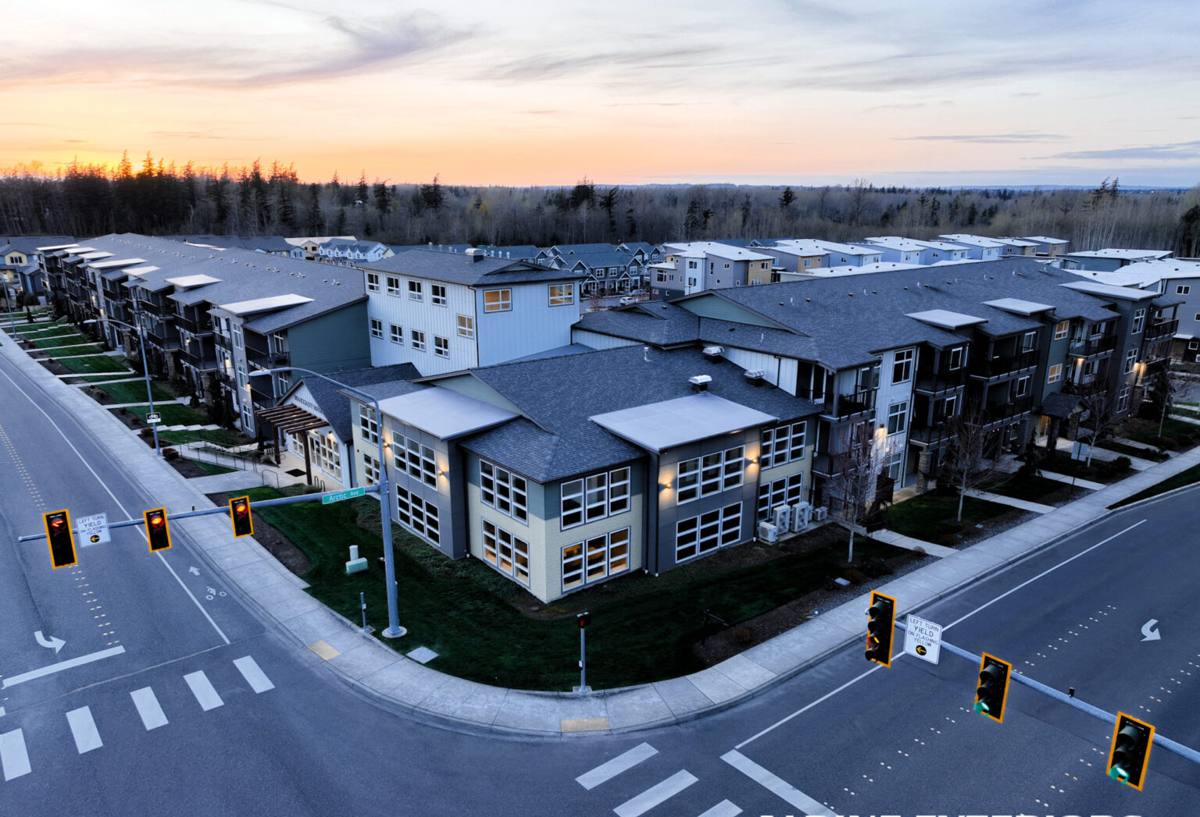
Why Salt Air, Rain, and Moss Change the Installation Job
Three things specific to this area drive how we approach a Columbia siding installation:
Salt Air and Corrosion
Proximity to Bellingham Bay means airborne salt settles on exterior surfaces more than it does further inland. That accelerates corrosion on fasteners, flashing, and trim if lower-grade materials are used, and it can shorten the life of paint and coatings that aren't formulated to handle it.
Driving Rain and Wind-Driven Moisture
Rain that comes in at an angle finds its way behind siding through gaps, poorly lapped joints, and unsealed penetrations that would never leak in a calmer climate. Wall assemblies here need a real drainage plane, not just a surface that looks tight.
Shade, Moss, and Prolonged Dampness
Tree cover common in Columbia keeps siding, trim, and roof edges shaded and slow to dry. That's exactly the environment moss and algae prefer, and it's why product choice and detailing around ventilation matter as much as the initial installation quality.
What a Correct Siding Installation Actually Involves
A siding job that looks fine from the curb can still be doing the house no favors underneath. The parts that actually determine how the siding performs over the next 20-30 years are mostly invisible once the job is done.
Weather-Resistive Barrier and Flashing
Every water-resistive barrier seam, window, door, and penetration needs to be flashed and lapped so water is directed outward and down — never trapped behind the cladding. This is the single most common place corners get cut on rushed jobs, and it's the detail most responsible for rot when it's missed.
Rain Screen Gap
A ventilated gap between the siding and the wall assembly lets any moisture that does get behind the siding drain and dry out instead of sitting against the sheathing. In a climate with as much sustained dampness as Bellingham sees, this gap is what separates siding that lasts decades from siding that traps rot against the framing.
Fastening and Clearances
Fiber cement siding has to be fastened at the manufacturer's specified pattern and depth, with proper clearance from grade, roof lines, decks, and other siding. Get the ground clearance wrong and you invite splash-back moisture and premature deterioration at the bottom courses — one of the most common failure points we see on older installations.
Caulking and Joint Treatment
Butt joints, trim intersections, and penetrations need the right sealant applied correctly, not just a bead of caulk run down every seam. Over-caulking can trap moisture just as badly as under-caulking lets it in.
Material Options for Columbia Homes
Homeowners in this neighborhood are usually choosing between a handful of common products. Here's how they actually compare when you factor in the local climate, not just sticker price.
| Material | How It Handles Local Moisture | Maintenance Burden | Typical Lifespan |
|---|---|---|---|
| James Hardie fiber cement | Non-combustible, engineered HZ product lines account for regional moisture exposure, holds factory finish well | Low — occasional wash to keep moss/algae from taking hold | 30+ years with correct install |
| Vinyl siding | Can warp, buckle, or gap at seams under sustained wet-dry cycling; not a water barrier itself | Low upfront, but fading and cracking increase over time | 15-25 years, variable |
| LP SmartSide | Engineered wood product — edges and cut ends are vulnerable if moisture gets past the coating | Moderate — edge sealing and touch-up needed over time | 20-30 years if maintained closely |
| Cedar / primed spruce | Natural wood movement, absorbs moisture readily, needs consistent coating maintenance to resist rot | High — regular refinishing required, especially in shaded, damp spots | Highly dependent on upkeep |
We install James Hardie fiber cement exclusively — not vinyl, not LP SmartSide, not cedar or primed spruce. It's not that these products can't work anywhere; it's that after years of doing exterior work in this climate, we don't think they hold up to Columbia's specific combination of rain, salt air, and shade as well as Hardie does. Hardie's HZ5 and HZ10 product lines are engineered specifically for moisture and freeze-thaw exposure, the ColorPlus factory finish resists fading and holds up better against the damp than field-applied paint, and the material itself doesn't feed moss and mildew the way wood-based products can.
How Our Installation Process Works
- Assessment and tear-off: We inspect the existing wall assembly for hidden moisture damage before anything gets installed — this is often where we catch rot or past water intrusion that wouldn't be visible otherwise.
- Sheathing repair and moisture barrier: Any damaged sheathing gets replaced, and a new weather-resistive barrier goes down with properly lapped and taped seams.
- Flashing at every penetration: Windows, doors, vents, and other penetrations get flashed to shed water outward before the siding goes on.
- Rain screen installation: A ventilated gap is built in so any moisture that gets behind the cladding can drain and dry.
- Hardie panel or plank installation: Installed to manufacturer spec for fastening pattern, clearances, and joint treatment.
- Trim, caulking, and touch-up: Final detailing at corners, joints, and penetrations, then a full walk-through.
Cost Factors on a Columbia Siding Project
Every home is different, but the same handful of factors drive most of the price variation we see on jobs in this neighborhood.
| Factor | Why It Matters |
|---|---|
| Extent of tear-off and hidden damage | Rot found under old siding adds sheathing and framing repair before new siding can go on |
| Home size and wall complexity | More corners, gables, and trim details mean more labor and material cuts |
| Siding profile and finish choice | Lap vs. panel, and standard vs. premium ColorPlus finishes, affect material cost |
| Site access | Tree cover, tight lot lines, or slope common in Columbia can add setup and scaffolding time |
| Trim and accessory work | Fascia, soffit, and window trim replaced alongside siding changes overall scope |
We give a firm, itemized estimate after an in-person assessment rather than a rough phone quote — hidden moisture damage is common enough in this climate that a number given without seeing the walls isn't a reliable one.
Signs Your Current Siding Needs Attention
- Persistent moss or dark streaking that comes back within weeks of cleaning
- Soft, spongy, or discolored spots when you press on the siding
- Visible warping, buckling, or gaps at seams and corners
- Paint or finish that's peeling, chalking, or fading unevenly
- Rising energy bills alongside drafts near exterior walls
- Cracked or missing caulking around windows and trim
Any of these on their own might just mean a cleaning or minor repair. Several at once, especially on a shaded or water-facing wall, usually points to a moisture problem that's been building for a while.
Why Hiring a Crew That Already Works in Columbia Matters
Siding installation isn't a one-size-fits-all trade. A crew that regularly works this part of Bellingham already understands how the local combination of rain exposure, tree shade, and salt air behaves on real homes here — which walls tend to take the worst weather, where moss problems show up first, and what detailing actually holds up over time in this specific environment. That's different from general familiarity with siding installation in the abstract. It means fewer surprises during tear-off, a realistic estimate the first time, and a finished install built for the conditions the house will actually face, not just a textbook installation.
Warranty and Long-Term Value
James Hardie backs its fiber cement products with a strong transferable warranty, which matters both for your own peace of mind and for resale — a documented, warrantied Hardie installation is a real selling point if you ever list the home. Warranty coverage depends on correct installation to manufacturer specification, which is another reason the quality of the install matters as much as the product itself. We stand behind our workmanship on top of the manufacturer's product warranty, so you're covered on both the material and the labor.
If your Columbia home's siding is showing its age, or you're planning ahead of a sale or renovation, we're happy to take a look and give you a straightforward, no-pressure estimate — just fill out the form below.