 Bellingham Siding
 Windows Built for Lynden's Weather, Not Just Any Weather
Lynden sits inland from Bellingham Bay in Whatcom County, but it doesn't escape the marine climate that defines this corner of Washington. Moisture-laden air moves off the Puget Sound and Georgia Strait, driving rain comes in sideways more often than most homeowners expect, and the long gray stretch between fall and spring keeps everything outside — siding, trim, and window frames included — damp for weeks at a time. That dampness is exactly what turns into moss on north-facing surfaces and slowly works its way into anything with a weak seal.
Windows take more of this abuse than most homeowners realize. A window isn't just glass in a frame — it's one of the largest planned holes in your building envelope, and every seam, sill, and flashing detail around it is a place water can find its way in if the job wasn't done right. When we talk about "custom" windows for a Lynden home, we're not talking about a fancy upgrade. We're talking about windows sized, sealed, and installed to match the actual openings in your house and the actual weather it sits in.
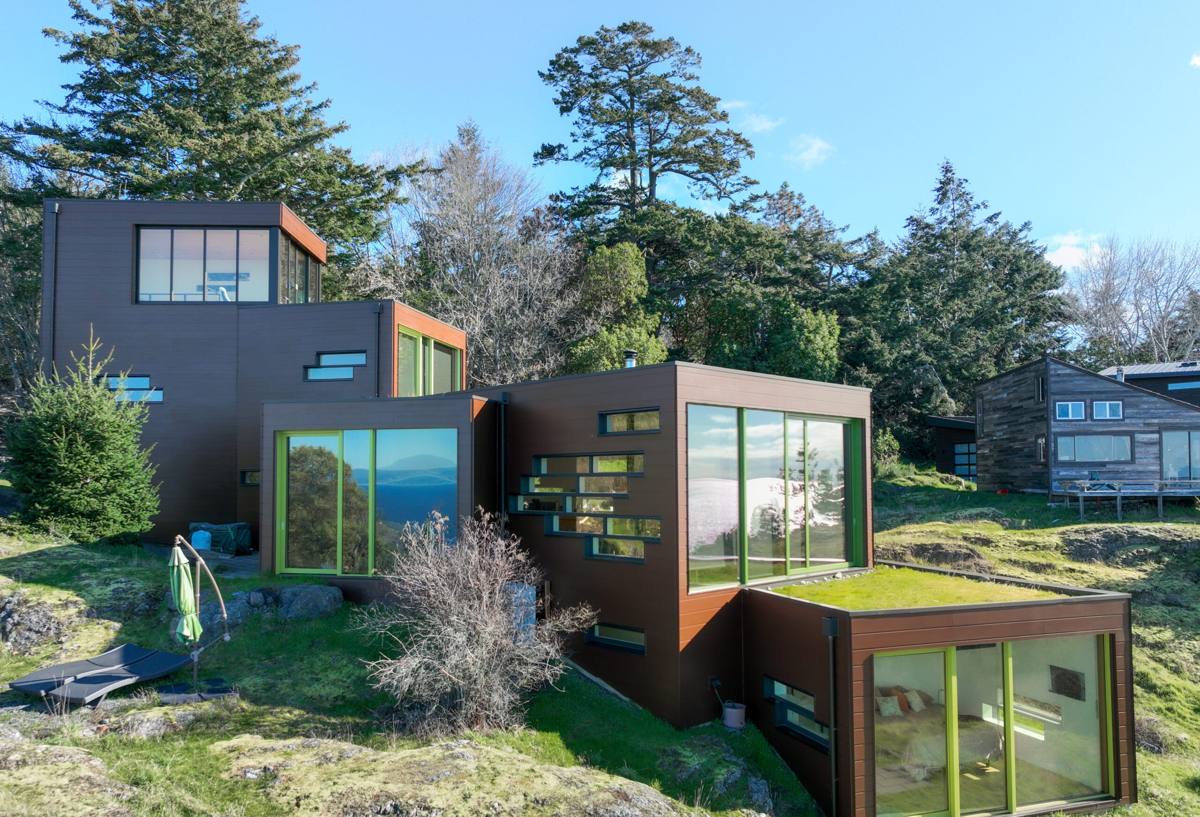
What "Custom" Really Means Here
Custom doesn't have to mean expensive or unusual-looking. For most of the work we do in Lynden, it simply means the window is built to fit your home's real openings instead of forcing your home to fit a stock size.
Measuring for Your Actual Openings
Older Lynden homes — farmhouses, older ranch-style houses, and additions built over the years — rarely have perfectly standard rough openings. Settling, past remodels, and older framing practices all mean the hole in your wall may be an inch or two off from what a big-box store's stock window expects. Forcing a stock size into a slightly wrong opening means shimming, gapping, and extra caulk trying to do a job flashing and proper fit should be doing. Custom sizing removes that guesswork.
Frame Material Choices
We install vinyl, fiberglass, and wood-clad windows depending on the home and the homeowner's priorities. Each has real trade-offs worth understanding before you decide, not after:
- Vinyl: Lowest maintenance, good insulating value, and it won't rot — a solid choice for a wet climate on a reasonable budget.
- Fiberglass: More dimensionally stable than vinyl in temperature swings, holds paint well if you want a custom color, and handles moisture without warping.
- Wood-clad: Warmer look inside, but the exterior cladding and every joint around it needs to be detailed correctly, since any gap in the cladding exposes the wood underneath to the same moisture that causes moss and rot elsewhere on the house.
We'll tell you honestly which option fits your home and your budget rather than pushing whatever's easiest for us to install.
Signs Your Current Windows Are Losing the Fight
Most window failures in this climate happen slowly, not all at once. By the time you notice a problem, moisture has usually been getting in for a while. Watch for:
- Fogging or condensation between the panes — this means the seal on the insulated glass unit has failed and it won't come back.
- Soft or discolored wood trim around the window, inside or out.
- Visible gaps where caulk has cracked, shrunk, or pulled away from the frame.
- Drafts you can feel with your hand near the frame on a windy day.
- Difficulty opening, closing, or locking — often a sign the frame has swelled or shifted from moisture.
- Moss or dark streaking on the sill or the wall just below the window, which usually points to water running down the face of the glass and pooling instead of shedding away.
Our Installation Process
The window itself matters, but the install is what determines whether it lasts fifteen years or thirty in Whatcom County weather. Here's how we approach it:
- On-site measurement and assessment. We measure the actual opening, check for existing water damage or rot in the framing, and talk through material and style options.
- Removal of the old window. We take our time here — this is when hidden rot or old flashing mistakes usually show up, and it's far cheaper to fix them now than to bury them under a new window.
- Flashing and sill pan installation. This is the step that gets rushed on cheap jobs and is the one that matters most here. A proper sill pan and correctly lapped flashing tape route water back out instead of letting it soak into the framing.
- Setting and shimming the window plumb, level, and square. A window that's slightly out of square binds, leaks air, and wears its hardware out faster.
- Insulating the gap. Low-expansion foam or backer rod, not just caulk, seals the space between the frame and the rough opening without bowing the frame.
- Exterior trim and sealant. We use sealants rated for the temperature swings and near-constant moisture exposure this region sees, not general-purpose caulk that hardens and cracks within a couple of seasons.
- Final check. We test operation, check the seal, and walk you through anything you should know about your new windows.
Comparing Window Types for a Wet Climate
| Window Type | Moisture Performance | Maintenance | General Cost Range |
|---|---|---|---|
| Vinyl double-hung | Very good — no rot risk, welded frame corners resist water intrusion | Low — occasional cleaning | $ |
| Fiberglass casement | Excellent — stable in temperature and moisture swings, tight compression seal | Low to moderate | $$ |
| Wood-clad | Good if detailed correctly — cladding must stay fully sealed | Moderate — exterior cladding needs periodic inspection | $$$ |
| Aluminum | Fair — prone to condensation and heat transfer without thermal breaks | Low | $ |
Broad ranges only — your actual cost depends on size, glass package, grille style, and how many windows you're doing at once. We'll give you real numbers after we see the job.
Why Flashing and Moisture Management Matter More Here
In a drier climate, a mediocre flashing job might go unnoticed for a decade. In Whatcom County, where driving rain and long stretches of dampness are the norm rather than the exception, a mediocre flashing job shows up as rot within a few wet seasons. Water doesn't need a big opening to cause damage — a hairline gap at the top corner of a window, where wind-driven rain hits hardest, is enough to start soaking sheathing behind the wall.
This is also where the long moss season plays a role. Moss thrives on surfaces that stay damp, and a window that isn't shedding water properly creates exactly that condition on the sill and the wall below it. Persistent moss growth isn't just cosmetic — it holds moisture against the surface longer, which accelerates the very damage that let the moss take hold in the first place.
Energy Efficiency and Comfort
Old, leaky windows don't just let water in — they let conditioned air out. In a climate where the heat runs for a good chunk of the year and the marine air keeps humidity high, a properly sealed, well-insulated window makes a noticeable difference in comfort near the glass and in how hard your heating system has to work. We'll talk through glass packages — including low-E coatings and gas fills — based on which direction your windows face and how much sun exposure they get, rather than defaulting to the same spec for every opening.
Why Hire a Crew That Already Works in Lynden
Window installation looks straightforward from the outside, but the details that make it hold up for decades — sill pan design, flashing sequence, sealant selection — are exactly the details that get skipped when a crew is unfamiliar with local conditions or trying to move fast. A crew that regularly works in and around Lynden and greater Whatcom County has already seen how the local weather finds the weak points in a poor installation, and builds around that from the start instead of learning it the hard way on your house.
We're also familiar with the kinds of homes common in this area — older farmhouses with settled framing, additions built at different times with slightly mismatched openings, and newer builds that still need details done right the first time. That familiarity means fewer surprises during the job and a better match between the window we recommend and the house it's going into.
Maintaining Your Windows After Installation
A correctly installed window in this climate still benefits from basic upkeep:
- Rinse pollen, dust, and salt-tinged residue off the glass and frame a couple of times a year.
- Check exterior caulk lines annually for cracking or separation, especially after a hard winter.
- Keep gutters and downspouts clear so water isn't sheeting down the wall above your windows.
- Wipe down sills after heavy rain if you notice standing water rather than water draining away.
- Address any soft trim or discoloration right away — small, cheap fixes now beat frame replacement later.
If you're noticing drafts, fogged glass, sticking sashes, or you're just planning ahead for a home in a climate that doesn't go easy on building materials, we're happy to take a look. Reach out for a free, no-pressure estimate and we'll walk your home with you, point out what we see, and give you honest options — no obligation either way.