 Bellingham Siding
 Sunnyland's Siding Has a Harder Job Than Most People Realize
Sunnyland sits close enough to Bellingham Bay to catch salt-laden air off the water, and far enough into the tree canopy that many lots stay shaded and damp for months at a time. That combination — salt exposure plus shade plus Whatcom County's long, wet winters — is a tougher test for exterior siding than a dry, open lot gets. Homes here don't just need siding that looks good; they need a siding system that can shed driving rain, resist moss and mildew growth, and hold up to salt air without swelling, rotting, or fading.
This page is about one thing: installing James Hardie fiber cement siding correctly on a Sunnyland home, given what this specific neighborhood's climate actually does to a house over time. We don't install vinyl, LP SmartSide, or cedar, and we'll explain why further down — but the short version is that after years of tear-offs and repair calls in this climate, Hardie is the only siding system we're willing to put our name on.
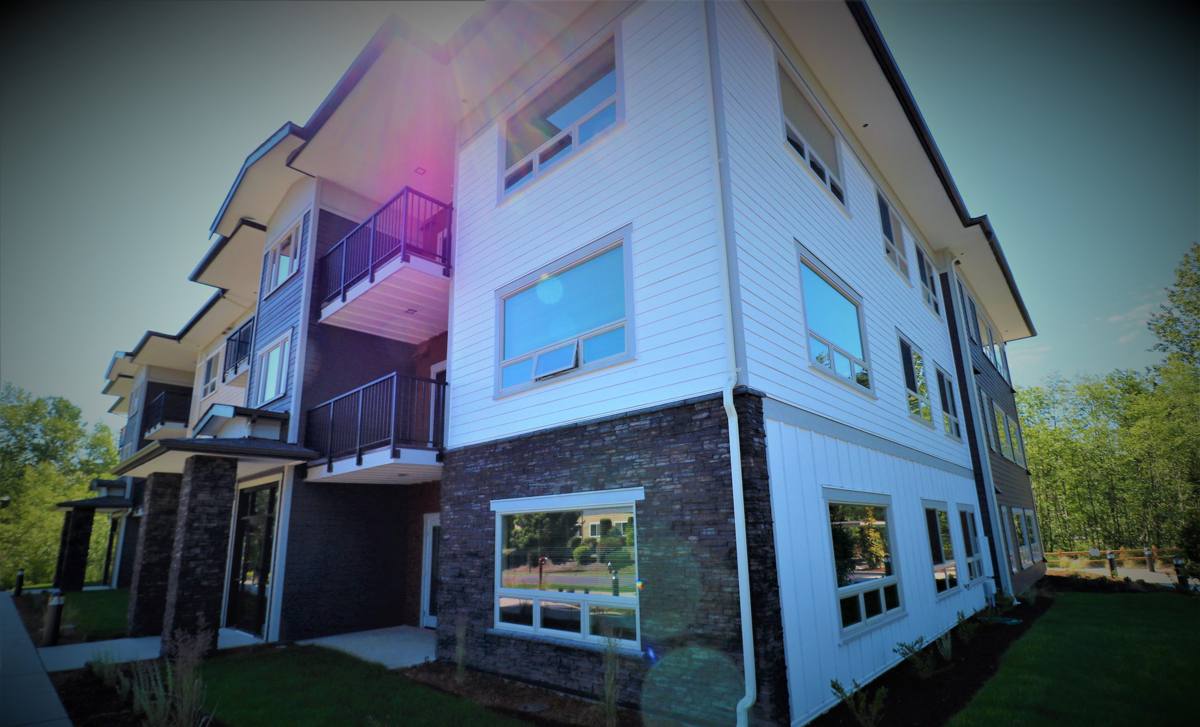
What Bellingham's Climate Actually Does to Siding
Driving Rain
Whatcom County doesn't get the heaviest rainfall totals in the state, but it gets a lot of wind-driven rain off the Strait and the Sound, which pushes water sideways into wall assemblies instead of letting it run straight down. Siding systems that rely on face-sealing (caulking every seam and hoping it holds) tend to fail here faster than systems built around proper drainage planes, flashing, and clearances.
Salt Air
Proximity to Bellingham Bay means airborne salt settles on exterior surfaces, especially on the west- and south-facing walls that catch onshore weather. Salt air accelerates corrosion of exposed fasteners and trim, and it degrades paint and coatings faster than inland exposure would. Siding with a weak factory finish shows chalking, fading, and peeling years before it should.
The Long Moss Season
Shaded, tree-covered lots — common throughout Sunnyland — stay damp long after a storm has passed. That's ideal growing conditions for moss, algae, and mildew on any surface that holds moisture. Wood-based sidings and some engineered wood products are especially vulnerable because moss and organic growth trap moisture directly against the substrate, which is exactly what causes rot.
Why We Only Install James Hardie in This Climate
James Hardie fiber cement is cement, sand, and cellulose fiber — it doesn't have the wood-based cores that make LP SmartSide, primed spruce, or cedar vulnerable to moisture wicking and rot. It's also non-combustible, which matters in a state with real wildfire risk even on the wet side of the Cascades. The specific reasons it holds up better in a Sunnyland-type environment:
- No wood substrate to rot. Fiber cement doesn't have the organic wood fiber core that gives moisture something to feed on.
- ColorPlus factory finish. A baked-on finish applied under controlled conditions resists fading and chalking from salt air far longer than field-applied paint.
- Dimensionally stable. It doesn't swell and shrink with humidity swings the way wood-based products do, so caulked joints and paint lines stay intact longer.
- Moss and algae don't compromise the material. They can still grow on the surface (any exterior surface in this climate will get some), but they don't rot fiber cement the way they can compromise a wood-based product.
Vinyl siding avoids the rot issue too, but it has its own weak points in this climate: it can warp under direct afternoon sun exposure on unshaded walls, its seams are sealed rather than engineered to drain, and it's a thinner, lighter material that shows impact damage and doesn't hold paint if a homeowner ever wants to change the color. We'll walk any homeowner through those trade-offs honestly — vinyl isn't a bad product, it's just not what we've chosen to stand behind.
Material Comparison for Damp, Shaded Bellingham Lots
| Factor | James Hardie Fiber Cement | Vinyl | LP SmartSide / Engineered Wood |
|---|---|---|---|
| Moisture & rot resistance | Excellent — no organic core | Good — but seams can trap moisture | Moderate — wood-based core is moisture-sensitive |
| Salt air / coastal exposure | Strong with factory finish | Fair — can chalk and fade | Fair — finish wears, exposes wood fiber |
| Moss & shaded-lot performance | Surface growth only, material unaffected | Surface growth only, material unaffected | Growth can accelerate substrate breakdown |
| Fire resistance | Non-combustible | Combustible | Combustible |
| Repaintable / color changes | Yes | No | Yes |
| Typical manufacturer warranty | 30-year limited, transferable | Varies, often prorated | Varies by product line |
What a Correct Hardie Installation Involves
Hardie siding's reputation for durability is earned in the field, not just in the material spec sheet — and it depends entirely on correct installation. A rushed or undertrained crew can install Hardie in a way that traps moisture behind it, which defeats the whole point of switching to a better material. On a Sunnyland home, we pay particular attention to:
Drainage Plane and Weather-Resistive Barrier
Given how much wind-driven rain this area sees, the house wrap and flashing details behind the siding matter as much as the siding itself. Water that gets past the outer layer needs a clear path down and out, not a place to sit against the sheathing.
Fastening and Clearances
James Hardie specifies exact nailing patterns, fastener types, and minimum clearances from grade, roofline, and decks. Corrosion-resistant fasteners matter more here than in a drier inland climate, given the salt air.
Caulking and Joint Treatment
Every seam, corner, and penetration gets sealed with a product rated for the material and the climate — not just whatever caulk is on the truck that day.
Factory-Finished Edges
Cut edges need to be sealed and, where visible, touched up with matching ColorPlus product so the factory finish's protection isn't compromised at every cut line.
Choosing the Right Hardie Line for a Sunnyland Home
James Hardie makes climate-engineered product lines, and matching the right one to this specific environment is part of doing the job correctly. Homes in the Pacific Northwest are typically specified with Hardie's HZ5 line, engineered for moisture and moderate freeze exposure rather than the HZ10 line built for hot, humid climates. Beyond the base product, homeowners in Sunnyland choose between lap siding, shingle-style panels, and vertical board-and-batten looks — all available in the same ColorPlus finish and warranty structure, so the choice comes down to the look that fits the home rather than a performance trade-off.
Our Process on a Sunnyland Project
- On-site assessment. We look at sun exposure, tree canopy, drainage around the foundation, and the condition of the existing siding and sheathing before quoting anything.
- Tear-off and sheathing check. We remove the old siding and inspect what's underneath for hidden moisture damage — common on shaded, older Sunnyland lots — before anything new goes up.
- Weather barrier and flashing. Proper house wrap, window and door flashing, and drainage details go in before a single piece of siding.
- Installation to Hardie spec. Correct fastening, clearances, and joint treatment, with cut edges sealed as we go.
- Final walkthrough. We review the finished job with the homeowner and register the manufacturer warranty.
What to Ask Any Siding Contractor Before Hiring
- Are you a certified James Hardie installer, and can you explain the specific clearances and fastening spec you follow?
- Will you inspect and document the condition of the sheathing before installing new siding?
- What weather-resistive barrier and flashing details do you use, and why?
- How do you handle cut edges and touch-up on ColorPlus finished product?
- Is the manufacturer warranty registered in the homeowner's name after the job is done?
- Can you speak to how this specific product performs in a shaded, damp Whatcom County lot — not just in general terms?
Why Hiring a Crew That Already Works Sunnyland Matters
A crew that's worked other Sunnyland-area homes already understands what the tree cover, the bay's salt air, and the region's driving rain do to a wall assembly over time — they're not guessing at flashing details or fastener choices. That local pattern recognition shows up in fewer callbacks and a job that's built for the actual conditions on that lot, not a generic install spec. It also means straightforward answers about realistic timelines around this area's wet-season scheduling, since installation quality depends on working within dry weather windows whenever possible.
Warranty and Long-Term Value
James Hardie backs its fiber cement products with a 30-year limited warranty that's transferable to a future homeowner, and the ColorPlus finish carries its own separate finish warranty. That transferability matters for resale — a documented, correctly installed Hardie system with a registered warranty is a concrete selling point, not just a maintenance decision. Combined with correct installation, it's the closest thing to a "install it once and stop worrying about it" option for a climate that is genuinely hard on exterior materials.
If you're weighing a siding replacement on a Sunnyland home and want a straight answer about what your walls actually need, we're happy to take a look and put together a free, no-pressure estimate — no obligation, no pressure to sign anything on the spot.