 Bellingham Siding
 Windows in Edgemoor Face a Different Set of Problems
Edgemoor sits close enough to Bellingham Bay that salt-laden air, wind-driven rain, and shaded, moisture-holding lots are just part of owning a home here. Standard window installations — the kind built for a dry inland climate — tend to underperform in this environment faster than homeowners expect. Seals fail early, wood trim holds moisture longer than it should, and north- and west-facing exposures develop moss and mildew staining within a couple of seasons. None of that means Edgemoor is a hard place to own windows. It means the windows, the flashing details, and the installation sequence all need to be chosen with this specific microclimate in mind, not a generic one.
Custom windows aren't just about unusual shapes or sizes, though that's often part of it in this neighborhood's older and architecturally varied homes. Custom, done right, means matching the frame material, glass package, and installation detailing to the actual conditions a given wall faces — water exposure, sun exposure, wind loading, and how close the opening sits to grade or to mature trees.
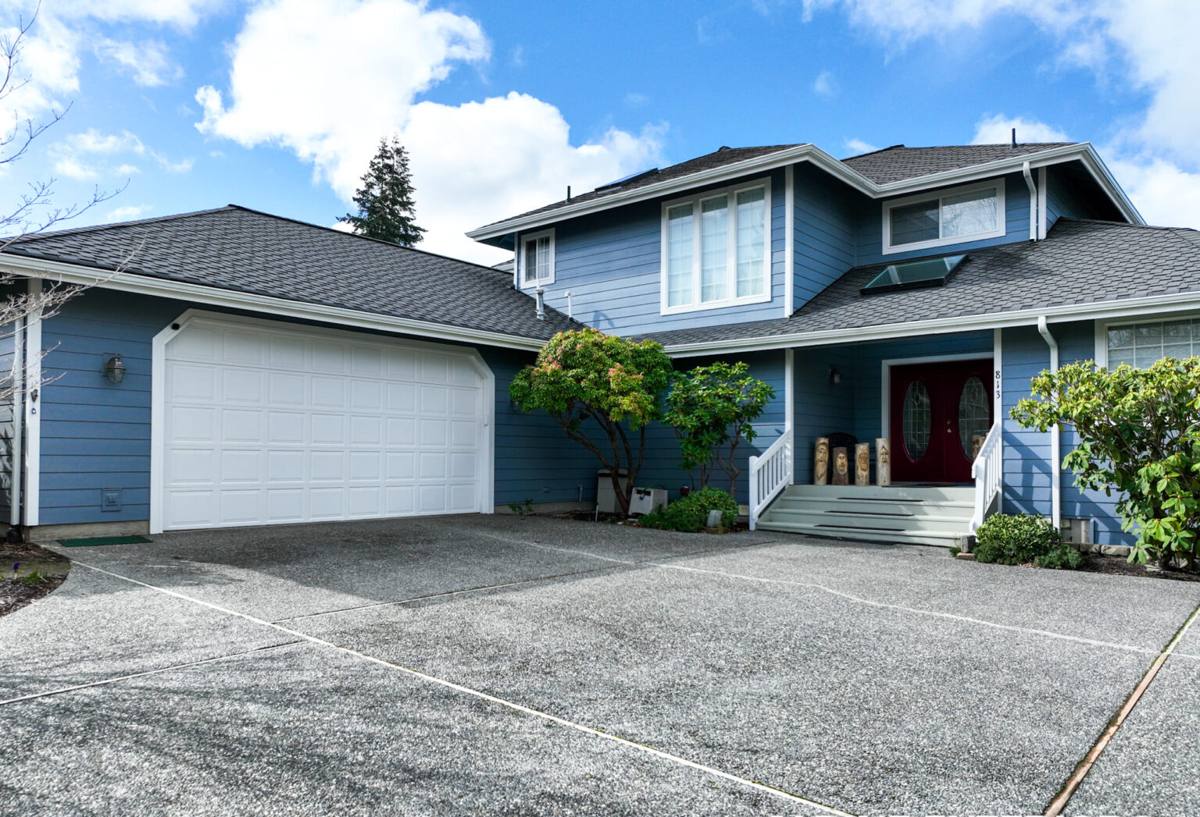
How Bellingham's Climate Shortens Window Lifespan
Salt Air and Metal Fatigue
Homes near the bay deal with airborne salt that accelerates corrosion on hardware, fasteners, and unprotected aluminum components. Cheap or poorly finished hardware can start showing pitting and stiffness years before it would inland. This is one of the reasons hardware finish and metal quality matter more here than the marketing materials for any given window line will tell you.
Driving Rain and Wind-Driven Intrusion
Whatcom County storms frequently come with sustained wind, which pushes rain sideways into wall assemblies rather than letting it simply run off a surface. A window that would be watertight in calm conditions can still leak under wind-driven rain if the flashing, sill pan, and sealant details weren't built for that load. This is almost always an installation issue, not a product issue — even a premium window will leak if it's set into an opening without the right drainage plane behind it.
Moss, Mildew, and Shade
Many Edgemoor lots are wooded and sloped, which keeps north and east elevations shaded and damp for long stretches of the year. That moisture holds against wood trim, sills, and any organic-based caulk longer than it would on a sun-exposed wall, which is exactly the condition moss and mildew need to take hold. Window materials and trim details on shaded elevations deserve extra attention during design, not an afterthought.
Signs Your Current Windows Are Losing the Fight
Most window failures in this climate show up gradually. Homeowners often live with early warning signs for a year or two before addressing them, by which point moisture has usually reached the framing behind the window, not just the window itself.
- Fogging or a milky haze between panes — the seal has failed and the insulating gas has escaped
- Soft, discolored, or bubbling trim and sill wood, especially on shaded or bay-facing walls
- Persistent condensation on the interior glass or frame during cool, wet stretches
- Visible moss, algae, or black streaking around the frame perimeter
- Drafts or whistling during windstorms, even with the window fully latched
- Difficulty opening, closing, or locking — frames that have swollen or racked out of square
Any one of these on its own might just mean the window needs attention. Several at once, especially paired with soft trim, usually means water has been getting behind the window for a while and the surrounding wall assembly needs to be opened up and checked before a new window goes back in.
What "Custom" Means for an Edgemoor Home
Custom windows cover more ground than most homeowners assume:
- Non-standard openings — older Edgemoor homes were often built before manufacturers standardized rough-opening sizes, so replacements frequently need to be built to the actual opening rather than forced into a stock size
- Architectural matching — grid patterns, sightlines, and proportions that fit the home's existing style rather than whatever a big-box supplier has in stock
- View-oriented glazing — larger units or picture windows on water-facing elevations, sized and braced correctly for the wind load those larger spans carry
- Elevation-specific specs — a different glass or frame spec on a shaded, moisture-prone wall than on a sheltered, sun-exposed one
The goal isn't customization for its own sake. It's matching each opening to the conditions it actually faces, which is exactly what off-the-shelf replacement window programs are not built to do.
Choosing a Frame Material for a Coastal-Influenced Climate
Every frame material available today can perform well in Bellingham's climate if it's specified and installed correctly — and every one has trade-offs worth understanding up front rather than discovering later.
| Frame Material | Moisture Behavior | Maintenance | Typical Trade-Offs |
|---|---|---|---|
| Vinyl | Doesn't absorb water or corrode; seams are the main vulnerability | Low — occasional cleaning | Limited color/finish options; can be less rigid on very large spans |
| Fiberglass | Excellent — dimensionally stable, doesn't swell or rot | Low | Higher upfront cost than vinyl |
| Wood-clad | Good on the exterior cladding, but any breach exposes wood beneath | Moderate to high — exposed wood details need monitoring | Best appearance for period-style homes; more sensitive to installation quality |
| Aluminum | Corrosion risk near salt air unless properly coated/thermally broken | Moderate | Strong for large spans; needs a quality thermal break to avoid condensation |
For most Edgemoor homes we lean toward fiberglass or high-quality vinyl on exposed and shaded elevations, and reserve wood-clad or aluminum for sheltered walls or where architectural matching genuinely calls for it. That's a judgment call made elevation by elevation, not a blanket rule.
Glass and Weatherproofing Choices That Matter Here
Glass package decisions affect comfort and moisture control as much as frame material does.
- Double vs. triple pane — triple pane adds insulating value and reduces interior condensation risk, which matters more on cooler, shaded walls than on sun-exposed ones
- Low-E coatings — reduce heat loss and help control interior condensation during our long stretches of cool, damp weather
- Argon or krypton fill — improves insulating performance; failed seals will eventually let this gas escape, which is what causes the fogging described earlier
- Sill pans and flashing tape — arguably more important than the window itself for keeping wind-driven rain out of the wall assembly
Our Installation Process
The window is only one part of a watertight assembly. Here's the sequence we follow on custom window jobs in this area:
- On-site assessment of each opening, including a check for existing moisture damage in the framing and sill
- Precise measurement and, where needed, custom fabrication to match the actual opening rather than a stock size
- Removal of the old unit and inspection of the rough opening, sill, and header for rot or prior water intrusion
- Installation of a sloped sill pan and weather-resistant flashing tape sequenced to shed water outward, not trap it
- Setting the window plumb, level, and square, with proper shimming to avoid stress on the frame
- Sealing and insulating the perimeter with materials suited to our climate, not just whatever caulk is on the truck
- Interior and exterior trim work finished to match the home
- Final operation check — locks, weatherstripping contact, and drainage
Skipping or rushing the flashing and sill pan steps is the single most common cause of "new window, same old leak" complaints we see when we're called in to fix someone else's installation.
Installation Checklist — What a Correct Job Includes
- Rough opening inspected and any rot or moisture damage repaired before the new window goes in
- Sloped sill pan installed beneath every window, not just the ones on obviously exposed walls
- Flashing tape lapped correctly with the home's existing weather-resistive barrier
- Window shimmed and fastened without racking the frame out of square
- Low-expansion foam or appropriate insulation in the perimeter gap — not just caulk alone
- Exterior sealant appropriate for movement and UV exposure, not a generic all-purpose caulk
- Interior and exterior trim sealed and finished cleanly
- Hardware and locks tested under normal operation before the crew leaves
What Affects Cost
Every project is different, but these are the main factors that move the price on custom window work in this area.
| Factor | Why It Matters |
|---|---|
| Number and size of openings | Larger or picture-window units cost more in both material and structural bracing |
| Frame material | Vinyl is typically the most affordable; fiberglass and wood-clad cost more upfront |
| Non-standard sizing | Custom-built units cost more than stock sizes but avoid gaps and compromise fits |
| Existing wall condition | Rot or prior water damage found during removal adds repair scope before the new window goes in |
| Access and site conditions | Sloped lots, second-story openings, or limited access can add labor time |
| Trim and matching work | Matching existing architectural trim styles takes more time than standard trim-out |
We give straightforward, itemized quotes rather than a single lump number, so you can see exactly what you're paying for and where there's room to adjust scope if needed.
Why It Matters That We Already Work in Edgemoor
A crew that treats every job as its first coastal install tends to default to generic details — standard caulking schedules, standard flashing sequences, standard glass packages — because that's what works everywhere else. In a neighborhood this close to the bay, "everywhere else" defaults aren't good enough. Knowing which elevations in this area tend to take the worst wind-driven rain, which lots stay shaded and damp longest, and how salt air affects hardware over time changes real decisions on the job: which sill pan detail to use, which hardware finish to spec, and where triple-pane glass is worth the added cost versus where it isn't.
We also know the practical side of working in Edgemoor's mix of older, architecturally distinct homes and newer builds — from matching trim profiles on a period home to handling the access challenges of a sloped, tree-covered lot. That familiarity shortens the assessment phase and reduces surprises once a job is underway.
Get a Free, No-Pressure Estimate
If your windows are fogging, drafting, or showing moss and moisture damage, or you're planning a full custom window replacement for an Edgemoor home, we're happy to take a look and give you a straightforward, itemized estimate — no pressure, no upsell script. Use the form below to get started.