 Bellingham Siding
 Building Decks That Hold Up in Puget's Marine Climate
Puget sits close enough to the water that salt air is part of daily life, and that changes what a deck needs to survive here. Between the salt, the driving rain that comes off the Sound, and the long stretch of gray, damp months Whatcom County sees every year, a deck built with generic lumberyard specs from a drier climate will start showing problems within a few seasons. Fasteners corrode faster, wood surfaces stay wet longer between rain events, and moss finds a foothold on any horizontal surface that doesn't shed water well. Building a deck that actually lasts in this environment means designing around those realities from the first post hole, not bolting on fixes after the fact.
We've built and repaired decks throughout the Bellingham area long enough to know which details matter here and which ones are just sales pitches. This page covers what a correctly built deck looks like in Puget's climate, how our process works, and what to ask any contractor before you sign a contract.
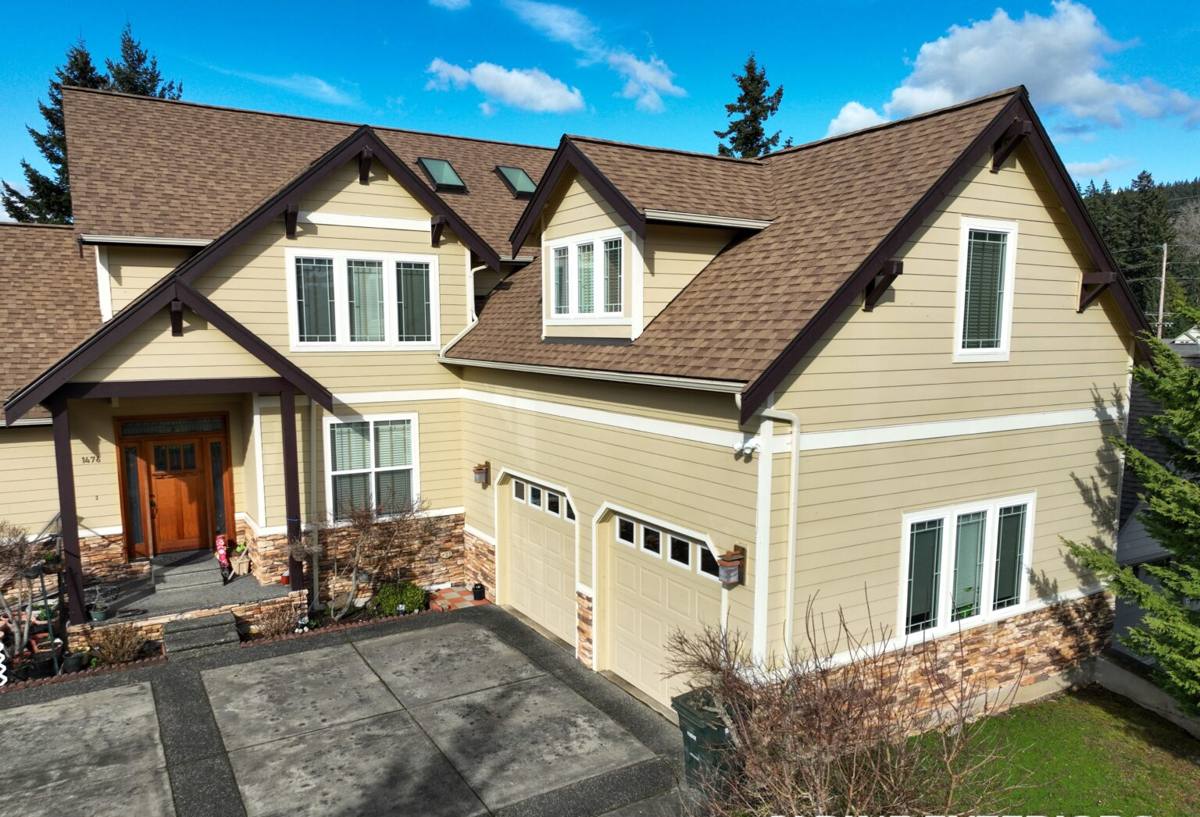
What Bellingham's Marine Climate Does to a Deck
Salt Air and Corrosion
Homes closer to the Puget Sound waterfront deal with airborne salt that accelerates corrosion on anything metal. Standard zinc-coated screws and hangers that would last decades inland can start rusting, staining the wood around them, and losing holding strength within a few years near the water. This is one of the most common issues we find when we inspect an older deck in this area — fasteners that were fine for a dry climate but were never rated for a marine one.
Driving Rain and Moisture Cycling
Bellingham doesn't just get a lot of rain, it gets rain pushed sideways by wind off the water, which drives moisture into places a straight-down rain wouldn't reach — ledger connections, stair stringers, the underside of rail posts. Wood that stays damp for days at a time between drying periods is far more prone to rot than wood that gets wet and dries quickly. A deck's drainage details matter as much as the wood species itself.
Moss and Organic Growth
Whatcom County's long moss season is a fact of life. Moss and algae hold moisture against wood and composite surfaces, degrade slip resistance, and can work into seams and fastener heads over time. A deck built without airflow underneath, proper board spacing, and a surface that doesn't trap standing water will grow moss faster and need more upkeep than one designed with drainage in mind from the start.
What a Correctly Built Deck Involves
Framing and Structure
Everything starts with the framing, and in this climate that means pressure-treated lumber rated for ground contact where posts meet soil, hardware rated for coastal or marine exposure, and connections that are fully sealed rather than just fastened. Ledger board attachment to the house is one of the most critical — and most commonly done wrong — parts of any deck. Proper flashing at the ledger keeps water from tracking behind the siding and into the wall framing, which is a much bigger and more expensive problem than anything happening at deck level.
Fasteners and Hardware
We use fasteners and structural hardware rated for coastal exposure on every deck we build in this area, not just the ones directly on the waterfront. Salt-laden air travels further inland than most homeowners expect, and the cost difference between standard and coastal-rated hardware is small relative to what it costs to fix a deck with failing connections five years down the road.
Decking Material
Whether we're working with wood or composite decking, the decision comes down to how each material handles this specific climate — moisture cycling, moss resistance, and long-term maintenance. We'll walk through the real trade-offs below rather than push one product as a universal answer.
Drainage and Airflow
A deck built tight to the ground or against a wall with no airflow underneath will trap moisture and grow moss faster than one with proper clearance. We grade the ground beneath the deck to shed water away from the structure and leave enough space underneath for air to circulate and wood to dry between rain events.
Wood vs. Composite Decking: An Honest Comparison
Both materials can perform well in Puget's climate when installed correctly. The right choice depends on your budget, how much upkeep you want to take on, and the look you're after.
| Factor | Pressure-Treated / Cedar | Composite |
|---|---|---|
| Upfront cost | Lower | Higher |
| Moss/mildew resistance | Needs regular cleaning and sealing | Better resistance, still needs periodic washing |
| Maintenance | Annual cleaning, periodic staining or sealing | Occasional washing, no staining or sealing |
| Moisture behavior | Can cup, crack, or splinter if not maintained | Stable, but poor-quality boards can fade or stain unevenly |
| Lifespan in this climate | 15-25 years with regular maintenance | 25-30+ years with minimal upkeep |
| Repair/replacement | Individual boards easy to replace | Board replacement possible but color-matching aging boards can be tricky |
We install both, and we'll tell you honestly which one fits your situation rather than steering you toward whichever has a better margin. If you want the natural look and lower upfront cost of wood and don't mind an annual cleaning and re-sealing routine, cedar or pressure-treated framing with a quality board is a solid choice. If you'd rather spend more upfront and do far less maintenance over the deck's life, composite is usually the better fit — especially for decks that get heavy shade and stay damp longer, where moss and mildew are more persistent.
Our Process for Puget Deck Projects
1. On-Site Assessment
We start by walking the property to look at grade, drainage, sun and shade exposure, proximity to water or dense tree cover, and how the deck will attach to the house. These details drive material and hardware decisions more than personal preference does.
2. Design and Material Selection
We talk through layout, decking material, railing style, and any features like built-in seating or stairs, and we're upfront about how each choice will hold up given this climate and the deck's specific exposure.
3. Permitting
Most deck projects in Bellingham and Whatcom County require a permit, particularly for decks over a certain height or attached directly to the house. We handle the permitting process so you're not left navigating city or county requirements on your own.
4. Construction
Framing goes in first with proper ledger flashing, coastal-rated hardware, and correct post footings for our soil conditions. Decking, railing, and stairs follow, with attention to board spacing and drainage throughout.
5. Final Walkthrough
We walk the finished deck with you, cover basic maintenance expectations for the material you chose, and make sure everything meets code before we consider the job done.
Maintenance Realities for This Climate
No deck in Whatcom County is maintenance-free, even composite. What differs is how much and how often. Here's a practical checklist for keeping a deck in good shape through Puget's wet, mossy winters:
- Sweep leaves and debris off the deck surface regularly, especially in fall — trapped debris holds moisture against the boards
- Clean moss and algae off the surface at least once a year, more often in heavily shaded areas
- Check and clear gaps between boards so water can drain through rather than pool on top
- Inspect fasteners and hardware annually for rust or corrosion, particularly if the deck is within a mile or two of the water
- Re-seal or re-stain wood decking every one to three years depending on sun exposure and wear
- Keep gutters and downspouts near the deck clear so runoff isn't dumping extra water onto or under the structure
- Trim back overhanging branches to reduce shade and debris buildup, which both encourage moss
Common Problems We Find on Older Puget Decks
When we're called out to inspect or repair an existing deck in this area, a handful of issues come up repeatedly:
- Rusted or failing fasteners that were never rated for coastal exposure
- Ledger boards without proper flashing, leading to water intrusion behind the siding
- Decks built tight to grade with no airflow underneath, causing chronic moss and premature rot
- Standing water on the deck surface from poor board spacing or a structure that wasn't built with a slight drainage slope
- Railing posts loosening from moisture working into unsealed post bases
Most of these problems trace back to construction shortcuts rather than the age of the deck itself. A well-built deck in this climate, properly maintained, should last decades. One built without these details in mind often needs significant rework within ten years.
Why Hire a Crew That Already Works in Puget
A contractor who mostly works inland or in drier regions may not think twice about fastener ratings, ledger flashing details, or drainage clearance — because in their usual climate, those shortcuts don't show up as fast. In Puget, they show up within a few wet winters. We work throughout Bellingham and Whatcom County and build every deck around the conditions this area actually produces: salt air, sideways rain, and a moss season that runs most of the year. That's not a sales point, it's just what correct construction looks like here.
We're also familiar with Whatcom County's permitting requirements and typical soil and drainage conditions in and around Puget, which keeps projects moving without surprises mid-build.
Get a Free, No-Pressure Estimate
If you're planning a new deck or need to repair or replace an aging one in Puget, we're happy to come take a look, walk you through your options honestly, and put together a straightforward estimate. There's no pressure and no obligation — just a clear picture of what your project would involve. Use the form below to get started.