 Bellingham Siding
 Composite Decking in Silver Beach: What Makes This Job Different
Silver Beach is one of the wetter, shadier pockets of the Bellingham area to build a deck. Many homes here sit close to Lake Whatcom under heavy tree cover, which means less direct sun, more standing moisture, and a longer window each year when surfaces stay damp. Add in the marine air that moves through the broader Whatcom County region off Bellingham Bay, and you've got a climate that's genuinely hard on outdoor structures. A composite deck built for this neighborhood isn't the same job as one built on a dry, open lot across town. The framing, drainage, and board choices all need to account for how slow this ground and this air are to dry out.
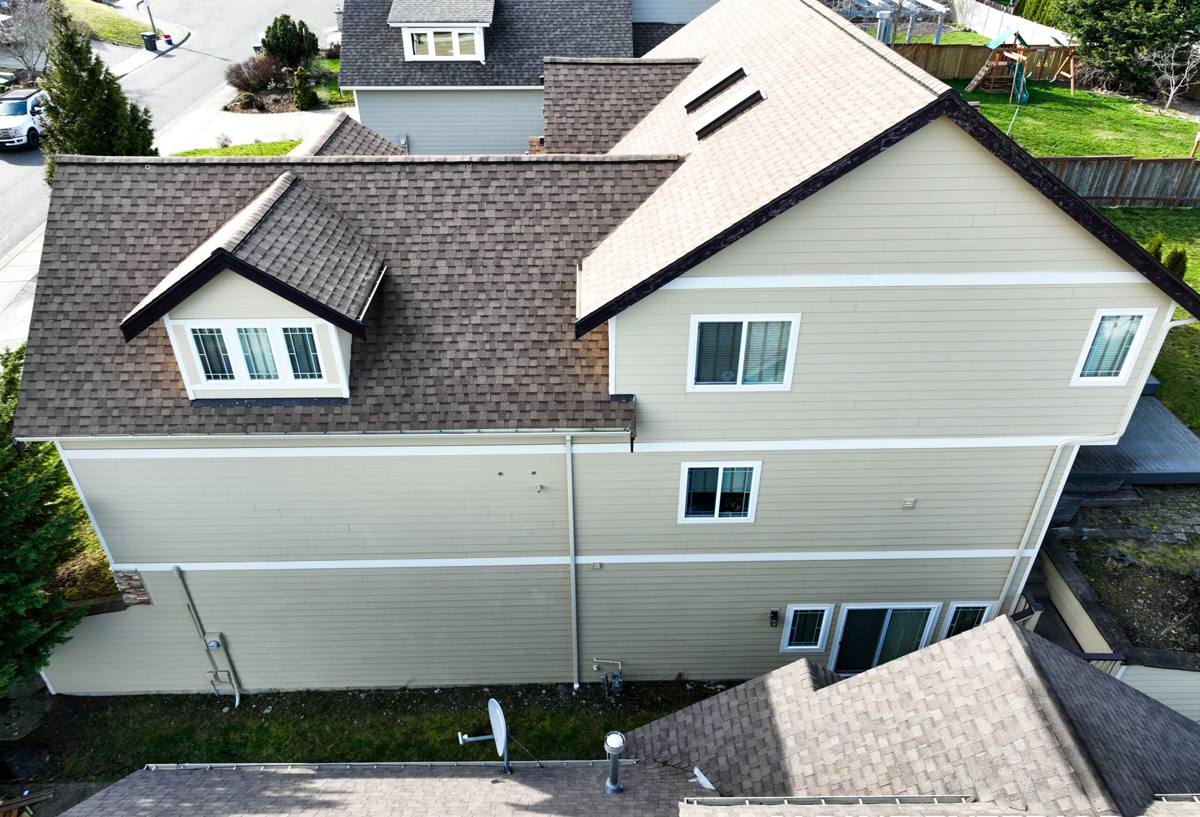
The Climate Silver Beach Decks Have to Survive
Shade, Moisture, and a Long Moss Season
Tree canopy near the water keeps a lot of Silver Beach yards cooler and greener than surrounding neighborhoods — which is part of what people like about living there. It also means decks in these spots get less sun exposure to dry them out after rain. Moss, algae, and mildew take hold faster in shaded, damp corners and stay active for a good chunk of the year, not just the classic Pacific Northwest rainy months. A deck built without this in mind will look tired within a season or two, no matter what it's made of.
Marine Air and Driving Rain
Bellingham's proximity to the water brings damp, salt-tinged air across the whole region, and wind-driven rain that gets pushed sideways into ledger boards, rail posts, and any exposed fasteners. Over years, that combination corrodes hardware, swells wood fibers, and finds its way into any gap in the flashing. It's not dramatic damage in any single storm — it's cumulative, and it shows up first at the connection points most homeowners never think to check.
Wood vs. Composite for This Neighborhood
Both materials can hold up in Silver Beach if they're installed correctly, but they ask very different things of a homeowner over time. Here's how they compare for a shaded, moisture-heavy site like this one:
| Factor | Pressure-Treated Wood | Composite Decking |
|---|---|---|
| Moisture response in shade | Absorbs moisture, slow to dry under canopy, prone to cupping and splintering | Doesn't absorb water the way wood does; less movement season to season |
| Moss and algae | Rough grain gives moss and mildew more to grip | Smoother, denser surface is harder for growth to root into |
| Annual upkeep | Cleaning, sanding, and re-staining or sealing on a recurring schedule | Periodic washing; no sanding, staining, or sealing required |
| Upfront cost | Lower material cost | Higher material cost |
| Long-term appearance | Depends heavily on how consistently it's maintained | More consistent appearance with less owner effort |
Wood is a legitimate choice, and we still build with it. But for a shaded, moisture-prone lot like most of what we see in Silver Beach, composite removes a lot of the maintenance burden that wood decking demands in this specific climate.
What a Correct Composite Deck Installation Involves
Framing and Substructure
Composite boards are only as good as what's underneath them. We use joist spacing and blocking sized for the specific composite product going on top — composite has different flex and support requirements than dimensional lumber decking, and manufacturers publish specific span tables for a reason. Skipping that step is the single most common cause of a composite deck that bounces, sags, or develops soft spots at the seams within a few years.
Fastening and Board Layout
Hidden fastener systems keep the deck surface clean and reduce the number of exposed penetration points where water can work its way into the board core. Board orientation and gapping also matter more in a wet climate than a dry one — gaps that are too tight trap moisture and debris between boards; gaps that are too wide catch pine needles, moss spores, and grit that hold water against the edges.
Drainage and Airflow Underneath
This is where a lot of decks in shaded, low-airflow yards fail early, and it has nothing to do with the decking material itself. If water can't drain away from the substructure and air can't move underneath the deck, the framing stays damp for weeks at a time even when the surface boards look fine. We grade and vent the substructure so the space under the deck can actually dry between rain events, which matters more in a Silver Beach backyard than almost anywhere else in Bellingham.
Choosing the Right Composite Board for This Site
Capped vs. Uncapped Composite
Capped composite boards have a protective outer shell wrapped around the composite core, which handles moisture, staining, and UV exposure better than uncapped boards where the raw composite material is exposed on the surface. In a shaded, damp environment where boards stay wet longer between dry-outs, that cap layer is doing real work. Uncapped composite costs less but asks more of the homeowner in cleaning and vigilance over time — worth knowing before you commit to a lower bid.
Color and Heat Considerations
Because Silver Beach decks often get partial shade rather than full sun, heat buildup is less of a concern here than it would be on a south-facing, unshaded lot. That opens up darker color options that some homeowners avoid elsewhere in the county because of surface heat. It's a small upside to the shade — worth factoring into the color conversation during your estimate.
Our Process, Start to Finish
- On-site walkthrough: We look at sun exposure, tree cover, existing drainage, and the condition of any structure the new deck ties into, like a ledger board or foundation wall.
- Design and material selection: We talk through board tier, color, railing style, and layout based on how the space is actually used, not just how it looks in a catalog.
- Permitting: Deck projects in the City of Bellingham and unincorporated Whatcom County typically require a permit depending on size and height — we handle that paperwork as part of the job.
- Demo and framing: Removal of any existing structure, then framing built to span and support the specific composite product you've chosen.
- Decking, fastening, and railing installation: Board layout, hidden fastening, and railing set to code, with attention to gapping and drainage at every seam.
- Final walkthrough: We go over the finished deck with you, including how it drains, how to clean it, and what to watch for over the first year.
Keeping a Composite Deck Clean Under Tree Cover
Composite decking cuts down on maintenance, but "low-maintenance" isn't "no-maintenance," especially in a shaded spot near the lake. A simple seasonal routine keeps a composite deck looking right for years:
- Sweep off leaves, needles, and debris regularly rather than letting them sit and hold moisture against the boards
- Rinse the deck surface with a hose a few times a year, more often in shaded areas prone to moss
- Use a soft-bristle brush and a mild composite-safe cleaner on any spots where moss or algae start to take hold — avoid pressure washers on composite unless the manufacturer specifically allows it at low PSI
- Check that gaps between boards stay clear so water and debris can pass through instead of pooling
- Inspect the area underneath the deck once or twice a year to confirm airflow and drainage are still working as designed
- Look at railing posts and fastener points for any early signs of corrosion or movement
What Affects the Cost of a Composite Deck in Silver Beach
Every deck quote depends on the specifics of the site, but a few factors consistently move the number more than homeowners expect:
- Existing structure removal: Tearing out an old wood deck or repairing rotted framing underneath adds labor before the new build even starts
- Site access: Tight lots near the water or steep grades toward Lake Whatcom can slow equipment access and material staging
- Board tier: Capped composite costs more upfront than uncapped, but usually costs less in maintenance over the life of the deck
- Railing and stairs: Multi-level decks, custom railing, or added stairs increase both material and labor
- Drainage and framing corrections: If the existing grade or substructure needs regrading or extra venting for this climate, that's real work, not an upsell
We walk through all of this in plain terms during your estimate, so you know what's driving the number and where you have room to adjust.
Why Hire a Crew That Already Works This Neighborhood
A deck built without accounting for Silver Beach's shade, moisture, and moss will look fine on installation day and start showing problems within a couple of years — soft framing, trapped moisture, moss creeping in at the seams. A crew that already works this part of Bellingham knows to grade for drainage before the first joist goes in, size the substructure for a composite product that won't get the sun exposure a catalog photo assumes, and choose gapping and fastening that account for a longer damp season than most of the county sees. That local familiarity with Whatcom County permitting and this specific microclimate is the difference between a deck that needs babysitting and one that just holds up.
If you're planning a composite deck in Silver Beach, we're happy to walk the site with you and put together a straightforward, no-pressure estimate — just fill out the form below to get started.