 Bellingham Siding
 Storm Damage Roof Repair for Columbia Homes
The Columbia neighborhood sits close enough to Bellingham Bay that its roofs take a different kind of beating than homes further inland. Salt-laden air moves in off the water, driving rain comes in sideways during winter fronts, and the tree cover that makes this part of Bellingham so pleasant to live in also means a long, wet moss season that never fully lets up. When a windstorm or a hard rain event knocks something loose on a Columbia roof, the damage doesn't always announce itself. A lifted shingle edge or a cracked ridge cap can sit quietly for weeks before it turns into a stain on a ceiling.
This page is about one job, done right, in one area: storm damage roof repair for homes in and around Columbia. Not a full re-roof pitch, not a generic list of services — just what it actually takes to assess, repair, and stand behind storm damage on the roofs we see in this neighborhood.
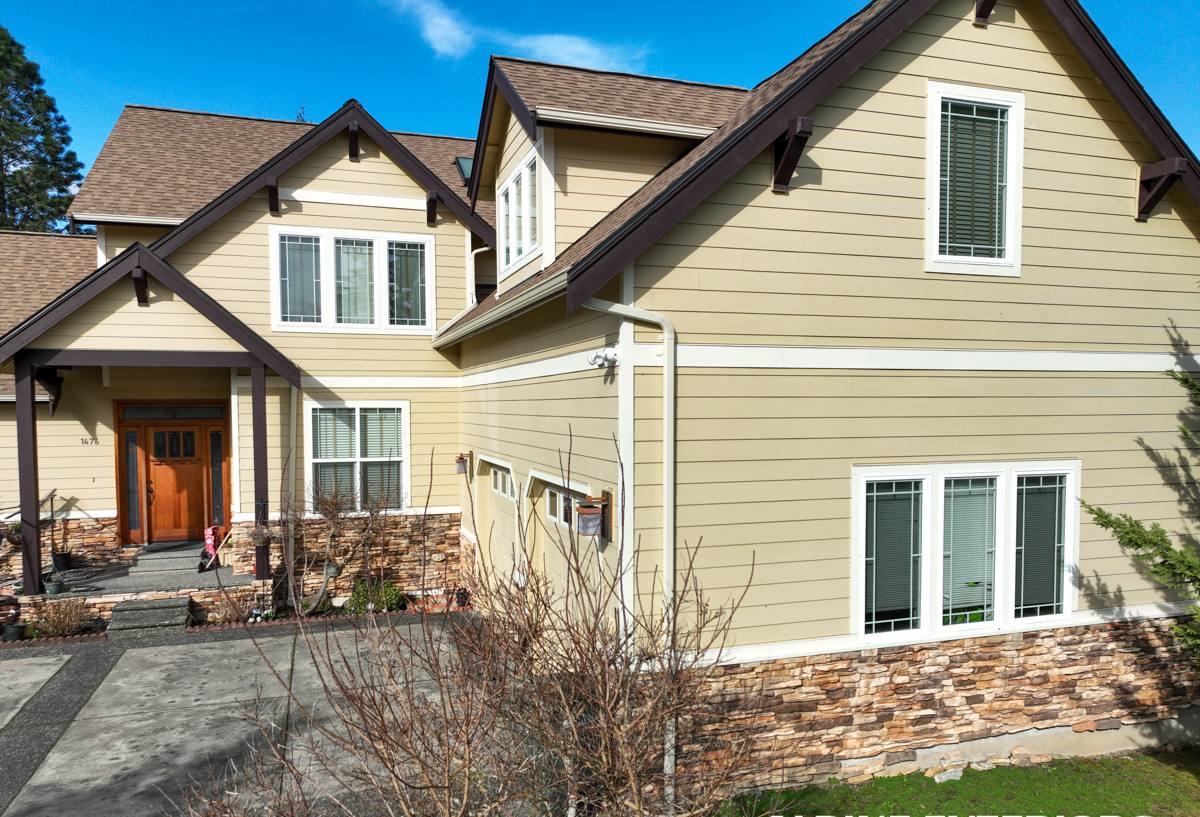
What Whatcom County Storms Actually Do to a Roof
Most storm damage around here isn't dramatic. It's rarely a tree through the roof — it's the smaller, sneakier failures that add up over a wet Bellingham winter.
Wind
Gusts off the Strait and the Bay don't need to be hurricane-force to lift a shingle tab or work a fastener loose, especially on roofs that already have some age on them. Once a tab is lifted, the seal underneath it is broken, and it usually won't reseal on its own even after the wind dies down.
Driving Rain
Bellingham rain isn't always straight-down rain. When it comes in at an angle off the water, it finds every gap — lifted shingles, worn flashing, nail heads that have backed out over time. Water that would never get in during a light, vertical rain can push straight under a shingle edge during a sideways storm.
Moss and Trapped Moisture
Whatcom County's moss season runs long, and moss does more than look bad. It holds moisture against the roof surface, works its way under shingle edges, and can lift material enough that the next windstorm finishes the job. A lot of what looks like sudden "storm damage" is really moss-related wear that a storm just exposed.
Salt Air Corrosion
Being close to the water means metal flashing, fasteners, and vent components corrode faster here than they would ten or fifteen miles inland. Corroded flashing is one of the most common hidden causes of a leak that shows up right after a storm, even when the shingles themselves look fine.
What Counts as Storm Damage (and What Doesn't)
Homeowners often aren't sure if what they're looking at is worth a repair call. A straightforward way to think about it:
- Storm damage: lifted or torn shingles, exposed nail heads, bent or pulled-loose flashing, damaged ridge caps, granule loss concentrated after a specific weather event, debris impact marks.
- Not storm damage (but often mistaken for it): gradual moss buildup, general granule loss from age, worn pipe boot seals, and flashing that's simply reached the end of its service life.
The distinction matters because it affects both the repair approach and, if you're filing a claim, how an insurance adjuster will categorize the damage. We'll tell you honestly which category we think your roof falls into — including when the honest answer is "this is wear, not storm damage," even if that's not what a homeowner wants to hear before a claim deadline.
Our Storm Damage Repair Process
We treat storm repair calls in Columbia the same way whether the damage is minor or significant — the goal is to fix the actual problem, not just patch the visible symptom.
1. Ground and Roof Assessment
We look at the roof itself, but also gutters, siding, and any debris on the ground, which often tells us more about what hit the roof and how hard.
2. Identify the Water Path, Not Just the Damage Point
Where water enters and where it shows up inside a home are often two different places. Water can travel along the underlayment or roof deck before it finds a gap in the ceiling or wall below. A repair that only addresses the visible interior stain without tracing the actual entry point tends to fail again in the next storm.
3. Repair Scope and Written Estimate
Before any work starts, you get a clear, written explanation of what's damaged, what needs to be repaired, and what it will cost — no vague verbal estimates.
4. The Repair Itself
Depending on what we find, this might mean replacing individual shingles, resealing and refastening lifted sections, repairing or replacing flashing, or addressing a compromised pipe boot or vent seal. We match materials as closely as possible so a repair doesn't stand out as an obvious patch.
5. Follow-Up Check
For anything beyond a minor patch, we recommend a follow-up look after the next significant rain to confirm the fix is holding, especially for homes on the water side of the neighborhood where wind-driven rain is more of a factor.
Repair or Replace? How We Make That Call
Not every storm-damaged roof needs a full replacement, and not every roof is worth repairing indefinitely. The table below is a general guide — the real answer depends on the roof's age, material, and how many prior repairs it's had.
| Situation | Repair Usually Makes Sense | Replacement Worth Considering |
|---|---|---|
| Roof age | Under 15-18 years | Approaching or past manufacturer's expected lifespan |
| Damage extent | Isolated to one section or slope | Spread across multiple slopes or the whole roof |
| Underlying deck | Solid, no rot found | Soft spots or rot found during inspection |
| Repair history | First or second repair on this roof | Third or more repair in a few years |
| Moss/moisture condition | Manageable with cleaning and treatment | Chronic moss damage across large areas |
Our default recommendation is always the smallest scope of work that actually solves the problem. A full replacement pitch on a roof that just needs a flashing repair isn't a service we're interested in providing.
Working With Insurance on a Storm Claim
If a specific wind or rain event caused the damage, it may be worth filing a claim rather than paying out of pocket. A few things help that process go smoother:
- Document damage as soon as it's safely possible — photos from the ground are fine, no need to get on the roof yourself.
- Note the date of the storm event, since adjusters look for damage tied to a specific weather occurrence rather than gradual wear.
- Get a written repair estimate that separates storm-caused damage from any pre-existing wear, since insurers typically won't cover the latter.
- Be present, or have someone you trust present, during any adjuster inspection so the full scope gets documented, not just what's visible from the ground.
We're happy to provide a written estimate and documentation you can hand to an adjuster or insurer. We don't inflate scope to chase a bigger payout, and we won't tell you damage is storm-related when our honest read is that it's ordinary wear.
Materials and Workmanship Standards
For repairs, matching the existing roofing material as closely as possible matters more than most homeowners expect — mismatched shingle color or profile is one of the most common complaints about lower-quality repair work. We source replacement shingles and flashing that match in material type and, where possible, color batch.
On flashing specifically, we favor corrosion-resistant materials for anything near the Bay-facing side of a roof, given how much faster standard fasteners and thin flashing corrode in salt-influenced air here compared to roofs further inland. It costs a little more up front but avoids a repeat flashing failure in a few years.
What to Do Right After a Storm
A simple checklist for Columbia homeowners after a significant wind or rain event:
- Check the attic or top-floor ceilings for new staining, sagging, or damp spots.
- Look at gutters and the ground around the house for shingle granules, torn shingle pieces, or bent flashing.
- Note the date and general conditions of the storm for insurance purposes.
- Avoid getting on the roof yourself, especially after rain when surfaces are slick and moss-covered areas are slippery.
- Call for an inspection promptly — small storm damage left through another rain cycle tends to get worse, not stay the same.
Why a Crew That Already Works Columbia Matters
A roofer who works across Whatcom County generally, but doesn't spend much time on this specific side of Bellingham, can miss things that are specific to Columbia's conditions — how much salt exposure a given block actually gets, how tree cover on a particular street affects moss buildup, or which roof orientations catch the worst of the wind-driven rain. None of that is complicated information, but it's the kind of local pattern recognition that only comes from being in the neighborhood repeatedly, not from a single service call.
We also know that storm damage repair often isn't a one-time transaction — moss comes back, salt air keeps working on flashing, and roofs age. Being a crew that's actually around and reachable after the repair, not just during it, is part of doing this job honestly.
If you've got storm damage on a Columbia-area roof, or you're just not sure whether what you're seeing needs attention, we're glad to take a look. Fill out the form below for a free, no-pressure estimate — we'll give you a straight answer, whether that's a small repair, a bigger fix, or just some peace of mind.