 Bellingham Siding
 Windows Built for Columbia's Coastal Conditions
The Columbia neighborhood sits close enough to Bellingham Bay that salt-laden air, wind-driven rain, and long stretches of damp, low-light weather are just part of owning a home here. Whatcom County's marine climate is milder than most of the country, but "mild" doesn't mean gentle on window assemblies. Moisture works into gaps, wood swells and shrinks with humidity swings, and moss and algae find a foothold anywhere water sits too long. Windows that aren't installed with this climate in mind end up with fogged glass, soft sills, and drafts within a few years, long before they should.
Custom windows done right in Columbia means matching the unit to the house — its age, its exposure to weather, and how the opening was originally framed — rather than forcing a stock size into a rough opening and calling it done. That distinction matters more here than it does inland, because a poor fit shows up faster when the weather is working against it every week of the year.
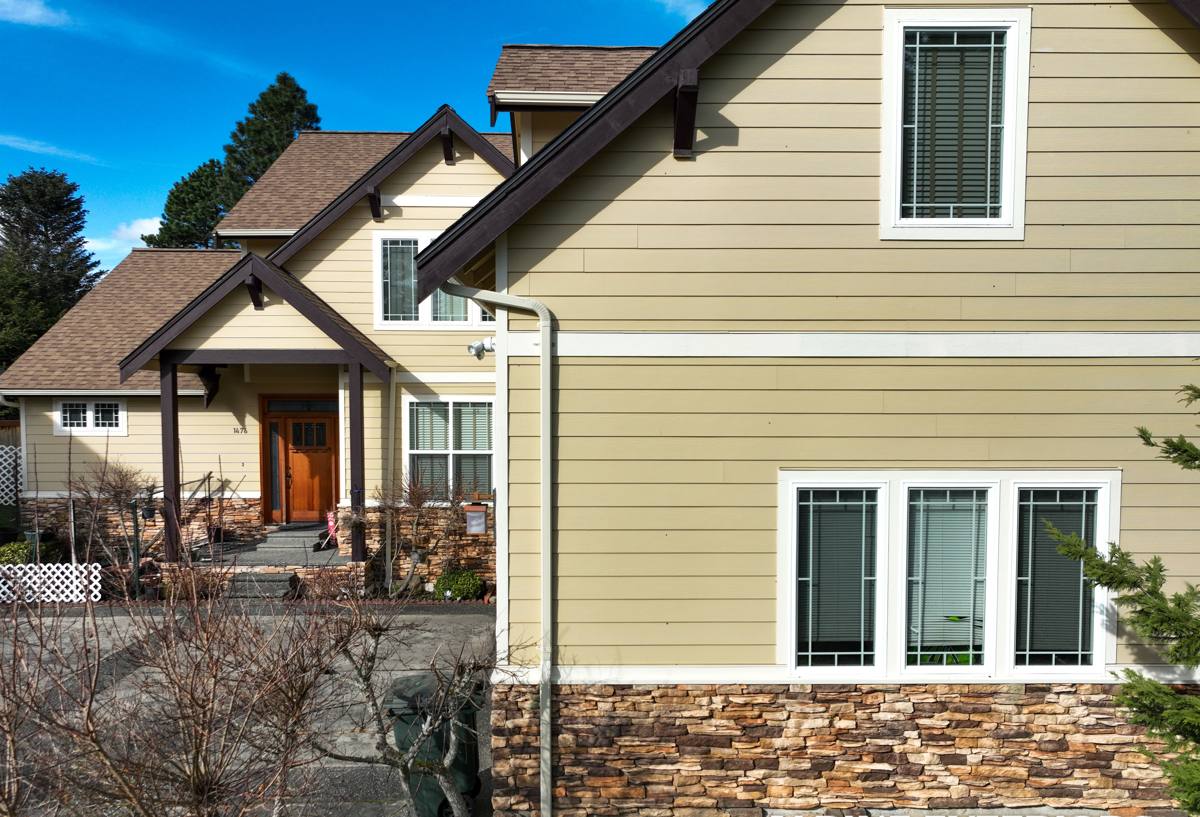
What Local Homes Actually Need
Moisture Management First
Bellingham's rain isn't usually heavy, but it's frequent and often comes sideways off the bay. Window assemblies in Columbia need proper flashing integration with the wall's water-resistive barrier, correctly sloped sills, and weep systems that actually drain instead of trapping water in the frame. This is more about installation detail than the window product itself — even a good window fails early if the opening around it wasn't prepped correctly.
Standing Up to Salt Air
Homes closer to the water deal with airborne salt that accelerates corrosion on hardware, fasteners, and lesser-grade metal components. Custom windows for this area should use hardware and cladding rated for coastal exposure, not the base-spec hardware found on builder-grade units meant for drier inland markets.
Fighting the Moss Season
Northwest Washington's extended damp season means anything that holds moisture — wood sills, unpainted trim, recessed tracks — will eventually grow moss or algae if it isn't detailed to shed water. We pay attention to sill design and finish material so homeowners aren't scrubbing green film off their windowsills every fall.
Energy Performance in a Heating-Dominant Climate
Bellingham doesn't see extreme heat, but it does see a long heating season. Whatcom County homeowners get more value out of a well-sealed, properly glazed window than one rated for hot-climate solar control they'll rarely need. Low-E coatings tuned for heat retention and tight air-seal installation do more for a Columbia home's comfort and energy bill than any marketing spec sheet.
What a Correct Custom Window Job Involves
"Custom" doesn't mean elaborate — it means the window is specified and installed to fit the actual opening and the actual conditions of that wall, rather than a generic size dropped in and shimmed to fit.
- Precise measurement of the existing rough opening, including any out-of-square conditions common in older Columbia-area homes
- Inspection of the surrounding framing and sheathing for rot or moisture damage before the new unit goes in
- Selection of frame material and glazing package suited to the wall's sun and weather exposure
- Correct flashing sequence integrated with the existing or upgraded water-resistive barrier
- Sill pan installation where the opening and budget allow, to give any incidental water a path back out
- Low-expansion foam and backer rod air-sealing around the full perimeter, not just caulk at the trim
- Interior and exterior trim work that matches the home's existing lines rather than looking bolted on
Skipping any one of these steps is usually invisible on install day and expensive two or three winters later, once water finds the gap that wasn't sealed correctly.
Choosing Materials for Bellingham's Marine Climate
There's no single "best" window material — the right choice depends on the home's age, exposure, and how much upkeep the owner wants to take on. Here's how the common options actually perform in Columbia's conditions:
| Frame Material | Moisture Behavior | Maintenance | Best Fit |
|---|---|---|---|
| Vinyl | Won't rot; handles damp cycles well | Low — occasional cleaning | Most homes prioritizing value and low upkeep |
| Fiberglass | Excellent stability in humidity swings | Low | Homes with high sun or wind exposure near the bay |
| Wood (clad exterior) | Vulnerable if cladding or seals fail | Higher — needs monitoring at joints | Older or historic-style homes where interior wood look matters |
| Aluminum | Prone to condensation without thermal breaks | Moderate | Rarely recommended for this climate without upgraded breaks |
We don't push wood-frame windows in exposed, water-facing walls in this neighborhood as a matter of professional standard — not because wood is a bad material, but because the maintenance burden and moisture risk in a marine climate outweigh the benefit for most homeowners, especially on walls that catch driving rain directly. Where the look of wood matters to a homeowner, we'll talk through where it holds up well versus where it doesn't.
Our Process for Columbia Homeowners
1. On-Site Assessment
We look at the actual openings, not just a floor plan — checking framing condition, existing flashing, sun and wind exposure on each elevation of the house, and any signs of past moisture intrusion around current windows.
2. Straightforward Options, No Upsell Pressure
We walk through frame material, glazing, and grille or style options relevant to the home, with honest tradeoffs on cost, maintenance, and longevity — not a scripted pitch toward the most expensive line.
3. Careful Removal and Opening Prep
Old units come out without tearing up more of the wall than necessary. Any rot or compromised sheathing found underneath gets addressed before a new window ever goes in — installing a new window over a damaged opening just hides the problem.
4. Installation to Manufacturer and Climate-Appropriate Standards
Flashing, sealing, and fastening follow both the manufacturer's requirements and the extra care this climate demands, since a warranty on the window itself won't cover a leak caused by a bad installation detail.
5. Final Check and Cleanup
We test operation, check the seal, and make sure the site is left clean — including hauling away old units and debris.
Why It Matters to Hire a Crew That Already Works Columbia
A crew that regularly works in Bellingham and around Whatcom County has already seen how these conditions age a window installation over years, not just on install day. That translates into decisions a visiting or out-of-area installer might not think to make — how deep to set a sill pan given local rain patterns, which hardware finishes actually hold up against salt air over time, and where moss tends to establish itself on this style of home. It also means faster response if something needs a look after a hard storm, since we're not traveling in from out of the area.
Local experience also shows in smaller judgment calls: knowing which older Columbia-area homes tend to have out-of-square openings from original construction, or which elevations of a typical local house take the worst of the wind-driven rain and deserve extra attention at the flashing detail. None of that comes from a spec sheet — it comes from having done the work here before.
Signs Your Current Windows Are Falling Behind
- Fogging or moisture between glass panes (failed seal)
- Visible moss, algae, or dark staining building up on sills or tracks
- Drafts noticeable near the frame during windy, rainy weather
- Wood trim that feels soft or shows discoloration at the corners
- Windows that stick, won't latch fully, or have warped out of square
- Noticeably higher heating bills compared to similar-sized homes nearby
Any one of these on its own might just mean a window needs attention. Several at once, especially on the side of the house that faces prevailing weather, usually points to a bigger moisture or installation issue worth addressing before it spreads to the framing.
What Cost Factors Actually Look Like
Every home and opening is different, so exact numbers aren't useful without seeing the site — but the main factors that move a project's cost are consistent:
| Factor | Why It Affects Cost |
|---|---|
| Number and size of openings | More or larger windows mean more material and labor |
| Condition of existing framing | Rot repair adds time and material before a new window can go in |
| Frame material chosen | Vinyl, fiberglass, and clad-wood carry different material costs |
| Glazing package | Upgraded Low-E coatings and gas fills cost more but improve comfort and efficiency |
| Trim and finish work | Matching existing interior or exterior trim profiles takes more labor than a plain reinstall |
| Access and site conditions | Second-story or hard-to-reach openings take more time to work safely |
We'd rather walk a homeowner through these factors on-site and give a real number than quote a range that doesn't hold up once we see the actual openings.
If you're weighing whether your Columbia-area home's windows need attention, or you're planning a full custom window project, we're happy to take a look and give you an honest, no-pressure estimate — just fill out the form below to get started.