 Bellingham Siding
 Why Edgemoor Windows Wear Out Differently
Edgemoor sits close enough to Bellingham Bay that salt-laden air is a daily fact of life, not an occasional weather event. Combine that with the driving, wind-pushed rain that rolls in off the water and the long stretch of gray, damp months that let moss and algae take hold on anything shaded or north-facing, and you have a climate that is genuinely harder on window assemblies than what homes ten or fifteen miles inland deal with. Aluminum hardware corrodes faster. Wood sashes that aren't properly sealed pick up moisture and swell. Old glazing putty dries out and cracks sooner. None of this is a flaw in the neighborhood — it's just what waterfront and near-waterfront exposure in Whatcom County does over twenty or thirty years.
We bring this up first because it changes what "correct" window replacement actually means here. A window that performs fine in a dry inland climate can still fail early in Edgemoor if it isn't installed with the right flashing details and drainage path. This page walks through what we look for, what a proper job involves, and how we handle window replacement specifically for homes in this part of Bellingham.
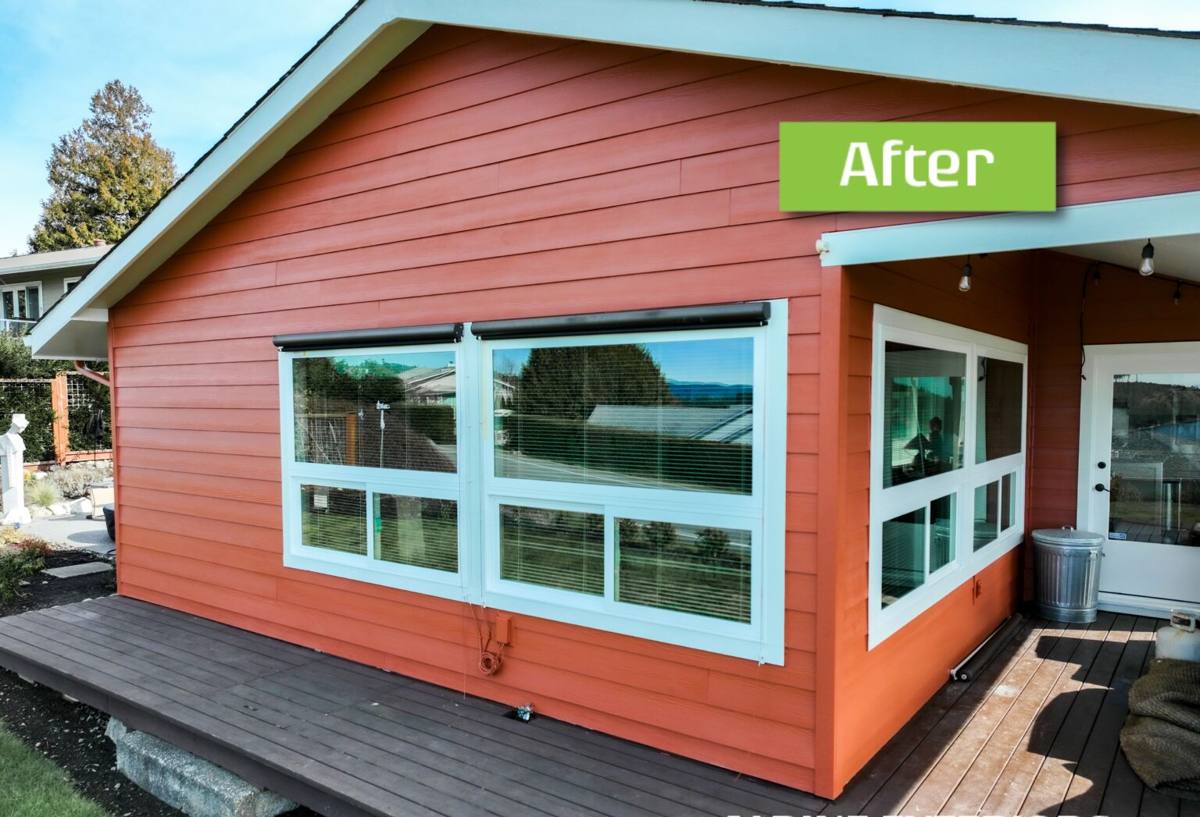
Signs an Edgemoor Home Needs Window Replacement
Because of the marine exposure, some warning signs show up here before they would elsewhere. Homeowners in Edgemoor should watch for:
- Soft or spongy wood at the sill or bottom corners of the window frame
- Persistent fogging or a visible haze between panes of double-glazed units (a sign the seal has failed)
- Difficulty opening, closing, or locking a window that used to operate smoothly
- Visible corrosion or pitting on aluminum tracks, hinges, or hardware
- Drafts felt near the frame even with the window fully latched
- Moss, algae, or dark streaking on the exterior trim or sill that keeps returning within weeks of cleaning
- Condensation forming on the interior glass regularly, even in moderate weather
- Paint that bubbles or peels repeatedly at the same spot on the frame
Any one of these on its own might just mean a repair or a re-caulk. Several of them together on the same window, especially on a wall that faces the water or gets shaded most of the day, usually means the frame or seal has already let moisture in and replacement is the more honest recommendation.
What a Correct Job Looks Like in This Climate
The Window Itself Is the Easy Part
Most window failures we see in this area aren't really about the window unit — they're about the installation around it. A well-made window installed without proper flashing and a working drainage path will still let water in behind the siding eventually, and in a wet, wind-driven climate like Bellingham's, "eventually" can mean a few years instead of a few decades.
What We Check Every Time
- A sloped sill pan that directs any water that gets past the window back out, not into the wall cavity
- Properly lapped flashing tape at the head, jambs, and sill, in the correct shingle-style order
- An intact weather-resistive barrier behind the siding, patched correctly if disturbed during removal
- A continuous bead of the right sealant at the right joints — not everywhere, since over-sealing can trap moisture instead of letting it drain
- Square, plumb, and level setting so the sash operates correctly and the weatherstripping seals evenly on all sides
This is the part of the job that doesn't show up in a sales brochure but is the actual difference between a window that lasts and one that causes a rot problem inside the wall five years later.
Choosing a Window Type for Edgemoor's Exposure
There isn't one "best" window material for every home — it depends on the home's age, its exposure to wind and salt air, and how much upkeep you want to take on. Here's how the common options compare for a home in this specific setting:
| Material | Salt Air / Moisture Behavior | Maintenance | Typical Fit |
|---|---|---|---|
| Vinyl | Doesn't corrode or rot; performs consistently in coastal air | Low — occasional cleaning | Budget-conscious replacements, rentals, additions |
| Fiberglass | Very stable in temperature swings and moisture; strong seal retention over time | Low | Homes wanting long service life with minimal upkeep |
| Wood, factory-clad exterior | Good if the cladding and flashing are done right; interior wood still needs a sound seal | Moderate | Older or architecturally detailed homes where wood interior sightlines matter |
| Solid wood, site-finished | Most vulnerable to this climate unless finish is maintained diligently | High — repainting or refinishing on a regular cycle | Historic restorations where matching original detail is the priority |
| Aluminum | Prone to pitting and corrosion in salt air over time | Moderate to high as corrosion appears | Rare in new installs here; mostly seen in older original windows being replaced |
For most Edgemoor homes, vinyl or fiberglass gives you the best balance of moisture performance and low upkeep. Where a home has real architectural character — larger divided-lite windows, older wood trim details — a clad-wood option can preserve the look without exposing raw wood to the weather. We'll walk through what fits your specific house rather than pushing one product line.
Cost Factors for Window Replacement Here
Every home is different, so we won't quote a number without seeing the job, but the factors that actually move the price are consistent:
| Factor | Why It Matters |
|---|---|
| Window size and configuration | Larger units, bay/bow windows, and custom shapes cost more than standard single or double units |
| Number of windows | Per-unit cost typically drops when several are done in the same visit |
| Condition behind the existing frame | Hidden rot or moisture damage found once the old window is out adds repair time before the new one goes in |
| Material choice | Vinyl is generally the most affordable; fiberglass and clad-wood cost more up front but ask less in upkeep |
| Access and site conditions | Second-story windows, tight setbacks, or waterfront lots with limited equipment access can add labor time |
| Trim and siding tie-in | Matching existing exterior trim or repairing siding disturbed during the swap adds finishing work |
Our Process
We keep the process straightforward and try not to leave a home more exposed to the weather than it needs to be at any point:
- On-site assessment — we look at each window from both sides, check the condition of the surrounding wall and trim, and note anything we already suspect will need attention once the old unit is out.
- Honest recommendation — repair, replace, or replace-and-repair-the-wall-behind-it. We tell you which one applies and why, not the option that's easiest to sell.
- Material and product selection — we go over the trade-offs above in plain terms so you're choosing based on what fits your home, not a sales pitch.
- Removal and inspection — old windows come out carefully so we can see the actual condition of the framing and sheathing before anything new goes in.
- Correct flashing and drainage installation — this is the step that determines whether the job holds up in this climate, and we don't shortcut it.
- Final fit, seal, and cleanup — operation is checked, seals are set, and the site is left clean.
Why It Matters to Hire a Crew That Already Works Edgemoor
Edgemoor has a mix of home ages and styles, and a fair number of properties here sit close enough to the water that wind exposure and salt air are a real factor in how the job needs to be done — not just a talking point. A crew that regularly works this neighborhood already knows to check for sill rot before quoting, understands which flashing details actually hold up against wind-driven rain off the bay, and isn't guessing at how a particular era of home was originally built. That familiarity shows up as fewer surprises mid-project and a lower chance of a callback down the road. We also work across Whatcom County generally, but jobs in exposed, near-water settings like this get treated with the extra attention the site actually calls for, not a one-size-fits-all approach.
Living With Your New Windows Here
New windows in Edgemoor still need a little seasonal attention given the climate. A rinse of the exterior glass and frame a couple times a year cuts down on salt film buildup, and keeping gutters and any shaded sills clear during moss season prevents the kind of standing moisture that shortens the life of even a well-installed window. None of this is heavy maintenance — it's the same kind of upkeep most coastal Whatcom County homes need, and a properly installed window makes it easy rather than a constant battle.
If you're noticing drafts, fogged glass, or sticking sashes on a home in Edgemoor, we're happy to come take a look. The estimate is free, there's no pressure to commit to anything on the spot, and you'll get a straight answer about whether replacement is actually the right call for your situation. Use the form below to get started.