 Bellingham Siding
 Windows in Blaine Face a Tougher Job Than Most
Blaine sits right on the water near the Canadian border, which means homes here take a different kind of weathering than a house twenty miles inland. Salt-laden air off the bay works on metal components year-round. Wind-driven rain comes in sideways more often than straight down. And the long, gray stretch of fall and winter keeps north-facing walls and shaded trim damp enough for moss to take hold. None of that is dramatic on its own, but stacked up over years it's exactly what breaks down a window before its time.
A window that was installed correctly for a drier climate can still fail here — not because the window itself was bad, but because the flashing, sealants, or frame material weren't matched to what this coastline actually throws at a house. That's the gap we focus on closing.
Salt Air and Corrosion
Airborne salt accelerates corrosion on fasteners, hinges, balances, and any exposed metal hardware. On older aluminum-frame windows especially, we see pitting and stiff or seized mechanisms well before the glass itself shows any wear. It's one of the reasons frame material and hardware choice matter more here than they would for the same house set back from the water.
Wind-Driven Rain and Water Intrusion
Rain that's being pushed sideways by wind doesn't behave like rain falling straight down. It finds its way under poorly lapped flashing, through hairline gaps in old caulk, and around window units that were never properly sealed to the wall assembly in the first place. Most of the water damage we find around old windows in this area isn't from a dramatic storm — it's from years of small amounts of moisture getting in during ordinary weather and never fully drying out.
Moss, Shade, and Slow-Drying Trim
Long wet seasons and plenty of tree cover mean moss and algae get a foothold on north- and east-facing trim and sills. Where moss holds moisture against wood trim or a window's exterior casing, rot can start underneath it long before it's visible from the yard. Keeping that in mind during installation — not just afterward — changes how we detail the exterior finish work.
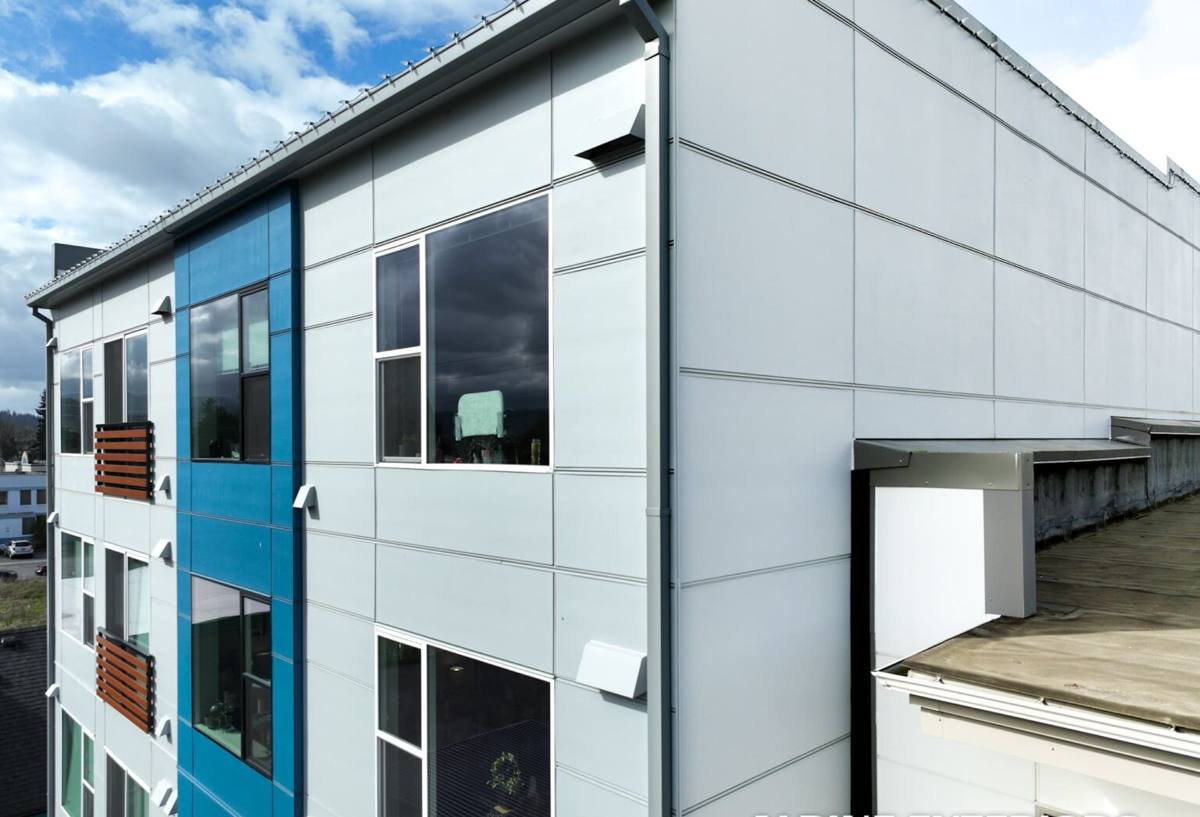
Signs a Blaine Home Needs New Windows, Not Just Repairs
Not every drafty or sticky window needs full replacement. But there's a point where patching stops making sense and a new, properly installed window is the more honest recommendation. Common signs we see on inspections in this area:
- Visible fogging or a milky haze between panes — the seal has failed and the insulating gas is gone
- Soft or spongy wood at the sill, jamb, or exterior trim when pressed with a fingertip
- Persistent moss or dark staining at the bottom corners of the frame that comes back after cleaning
- Windows that won't stay open on their own, or that are difficult to lock tightly
- A noticeable draft at the frame edge even when the window is fully latched
- Condensation forming on the inside of the glass regularly during cold, wet weeks
- Paint that keeps bubbling or peeling at the same spots no matter how often it's redone
If you're seeing two or more of these on the same window, that's usually a sign the frame or seal has already let moisture in, and repair would just be delaying the real fix.
What a Correct Window Installation Actually Involves
The window unit itself is only part of the job. Most failures we're called out to repair trace back to how the old installation handled the wall opening around the window, not a defect in the window itself.
Careful Removal
Old windows have to come out without tearing up the surrounding framing or siding, especially on houses where the exterior material is original and would be a headache to match if damaged. We check the condition of the framing and sheathing as soon as the old unit is out, since that's the only real chance to catch hidden rot or water staining before it's sealed back up behind a new window.
Flashing and Water Management
This is the step that matters most for a coastal, high-rain climate like this one. Flashing tape and water-resistive barrier need to be lapped in the correct order — sill pan first, then jamb flashing, then head flashing — so that any water that does get past the exterior finish drains back out instead of collecting inside the wall. Skipping or rushing this step is invisible on installation day and shows up as rot two or three winters later.
Shimming, Insulation, and Air Sealing
A window needs to be shimmed square and plumb before it's fastened, then the gap between the frame and the rough opening needs to be insulated and air-sealed — not overfilled with expanding foam, which can bow a frame out of square, and not left open, which invites drafts and moisture. Getting this middle ground right takes experience, not just a caulk gun.
Exterior and Interior Finish Work
Exterior trim gets caulked and, where it makes sense, back-primed or sealed on all sides before installation so moisture can't wick in from behind. Interior casing and sill work gets finished cleanly so the room looks done, not patched. On the exterior, we also think about how easily that trim will shed water and resist moss buildup going forward, since that's an ongoing maintenance issue for shaded, north-facing walls in this area.
Choosing a Window Frame Material for a Blaine Property
Frame material affects how a window holds up to salt air and moisture, how much upkeep it needs, and what it costs up front. There's no single right answer for every house — it depends on your budget, your home's style, and how much maintenance you want to take on.
| Frame Material | Moisture & Salt Air Performance | Maintenance | General Cost Position |
|---|---|---|---|
| Vinyl | Won't corrode or rot; performs well in salt air with no coating to fail | Low — occasional cleaning | Lower to mid |
| Fiberglass | Very stable in moisture and temperature swings; resists warping | Low | Mid to higher |
| Wood | Needs consistent protection from moisture; the highest-risk option in a wet, salt-air climate if maintenance lapses | High — regular painting or sealing | Higher |
| Wood-clad (wood interior, metal/vinyl exterior clad) | Exterior clad shields the wood from weather; performs well if the cladding and flashing are installed correctly | Moderate — mostly interior wood care | Higher |
| Aluminum | Prone to pitting and corrosion in salt air over time unless it's a marine-grade or well-coated product | Moderate | Mid |
For most homes this close to the water, we lean toward vinyl or fiberglass for the exterior-facing material, simply because they hold up to salt air and driving rain with the least ongoing attention. Where a homeowner wants the look of real wood, wood-clad options let you keep that appearance while putting the weather-facing surface on a material built to take it. We'll walk through the honest trade-offs for your specific house rather than pushing one product line.
Our Process, Start to Finish
1. On-Site Assessment
We look at the existing windows, the condition of the surrounding framing where visible, sun and wind exposure on each elevation, and what's actually causing the problem — age, seal failure, moisture, or all three.
2. Straightforward Estimate
You get a clear breakdown of what's being replaced, the frame material and glass package recommended, and why — no vague line items.
3. Scheduling Around Weather
Window installation means the wall is open to the outside for a stretch of time. We plan installs around forecasted weather rather than pushing through a storm, which matters more here than in a drier climate.
4. Installation
Removal, framing check, flashing, insulation, and finish work as described above, done one opening at a time so your home isn't left exposed longer than necessary.
5. Walkthrough and Cleanup
We test operation and locking on every window, clean up debris, and walk the job with you before we consider it finished.
Why It Matters That We Already Work in Blaine
A crew that mostly works drier, inland jobs can install a window that looks perfect and still gets the flashing detail wrong for this coastline's weather pattern. Working regularly in Blaine and across Whatcom County means we're used to sequencing installs around this area's rain patterns, know which elevations on a typical local house take the worst of the wind-driven rain, and don't have to relearn coastal water-management basics on your project. It also means we're a known, reachable contractor if a warranty question comes up years down the road — not a name from out of the area that did one job and moved on.
After Installation: Keeping Windows Performing in This Climate
New windows still benefit from a little seasonal attention in a coastal, mossy climate. A few habits go a long way:
- Rinse salt residue off exterior glass and frames periodically, especially after storms with onshore wind
- Clear moss or debris from sills and trim before it holds moisture against the surface
- Check exterior caulking annually and touch up any cracked or separated beads
- Make sure gutters and downspouts near window openings are clear so water isn't sheeting across the glass and trim
None of this is heavy maintenance — it's the kind of quick seasonal check that keeps a well-installed window performing for its full lifespan instead of fighting moisture from day one.
Get a Straightforward Estimate
If you're dealing with drafty, foggy, or moss-stained windows on a Blaine home, we're glad to take a look and give you an honest read on what's actually needed — repair or replacement — with no pressure either way. Fill out the form below for a free estimate.