 Bellingham Siding
 Birchwood's Climate Is Harder on Siding Than It Looks
Birchwood sits close enough to Bellingham Bay and the surrounding waterways that salt-laden air is a constant, quiet factor in how exterior materials age here. Add Whatcom County's long stretch of driving rain each fall and winter, plus a moss and algae season that can run eight months or more in the shadier, tree-lined parts of the neighborhood, and you have a climate that punishes siding choices that work fine in drier parts of the country. Homes here don't fail because of one bad storm. They fail slowly, from siding that absorbs moisture it can't release, fasteners that corrode faster than expected, or surfaces that hold onto organic growth long enough for it to start breaking down paint and substrate.
Correct siding installation in this neighborhood isn't just about getting boards up straight and level. It's about choosing a material and an installation method that account for wind-driven rain intrusion, prolonged damp shade, and the slow corrosive effect of salt air on fasteners and trim. That's the lens we bring to every Birchwood project.
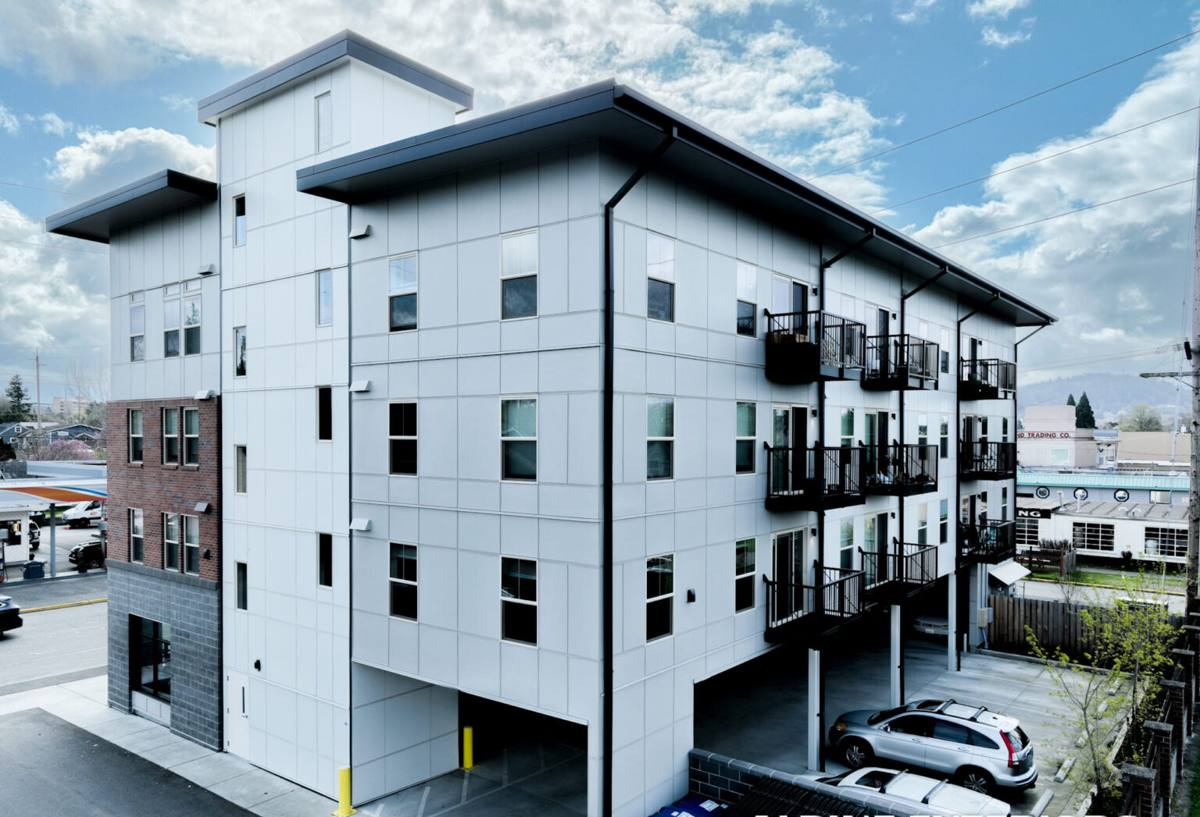
What a Correct Installation Actually Involves
A siding job can look finished and still be set up to fail in five to ten years. The difference between a good-looking installation and a durable one comes down to details most homeowners never see once the siding is up.
Weather-Resistive Barrier and Flashing
Every wall needs a continuous, correctly lapped weather-resistive barrier underneath the siding, with flashing integrated at every window, door, deck ledger, and penetration so water is directed out and down, never trapped behind the cladding. In a rain-heavy climate like Bellingham's, this layer matters more than the siding material itself. A beautiful siding job over sloppy flashing is a rot problem waiting to happen.
Clearances, Fastening, and Field Cuts
Siding needs proper clearance from grade, roof lines, decks, and hardscaping so water and debris don't wick moisture into the bottom edge of the boards. Fasteners need to be the right type and length, driven correctly, not overdriven or underdriven. Every field-cut edge on fiber cement needs to be sealed or primed per the manufacturer's instructions, because an unsealed cut edge is the single most common point where moisture gets into the material and starts a slow failure.
Caulking and Joint Design
Butt joints, trim intersections, and penetrations need to be sealed with the right sealant, applied correctly, not just caulked over as an afterthought. Over-reliance on caulk to compensate for poor flashing is a shortcut that shows up as failure within a few years, especially with the volume of rain this area sees.
Why We Only Install James Hardie Fiber Cement
We install James Hardie fiber cement siding exclusively. We don't install vinyl, LP SmartSide, Cemplank, Allura, primed spruce, or cedar, and homeowners in Birchwood deserve to know why before they invest in a full re-side.
Each of those alternatives has real strengths. Vinyl is inexpensive and low-maintenance in dry climates. LP SmartSide and cedar offer a warmer, more traditional wood look. But every one of them has a trade-off that matters more here than it would somewhere drier: vinyl can warp and doesn't hold up structurally the way fiber cement does; engineered wood products and cedar are organic materials that are more vulnerable to moisture absorption, swelling, and rot if any water gets behind or into them; alternative fiber cement brands vary in their moisture engineering and factory finish quality. In a climate with this much sustained rain, salt air, and moss pressure, those trade-offs compound over time.
James Hardie's fiber cement is non-combustible, dimensionally stable, and engineered specifically for wet Pacific climates through its HZ5 product line, which is built for exactly the freeze-thaw and moisture exposure Whatcom County sees. The factory-applied ColorPlus finish resists fading and holds up to moss and mildew far better than field-applied paint, and it comes with a strong, transferable warranty that protects the investment if the home changes hands.
| Factor | James Hardie Fiber Cement | Vinyl | Cedar / Engineered Wood |
|---|---|---|---|
| Moisture behavior | Engineered for wet climates, doesn't rot | Doesn't absorb water but can warp | Organic material, vulnerable if moisture gets in |
| Moss/algae resistance | Factory finish resists growth and staining | Can trap moisture behind panels | Prone to moss retention and surface breakdown |
| Salt air durability | Non-combustible, stable in coastal exposure | Can become brittle over time | Finish breaks down faster near salt air |
| Maintenance | Occasional wash, repaint on a long cycle | Low, but limited repair options | Regular refinishing needed |
| Fire resistance | Non-combustible | Melts/deforms under heat | Combustible |
Signs Your Birchwood Home's Siding Needs Attention
Because siding failure here tends to be gradual, homeowners often live with early warning signs for a while before realizing they add up to a real problem. Walk your exterior and check for the following, especially on north- and west-facing walls that see the most shade and driving rain:
- Persistent moss or dark green/black streaking that comes back within weeks of cleaning
- Soft or spongy spots when you press on siding near the bottom edge or trim
- Paint that's bubbling, peeling, or chalking unevenly across the wall
- Visible warping, cupping, or separation at panel seams
- Rust streaks running down from fastener heads or trim
- Gaps opening up around window and door trim
- A musty smell in interior rooms along an exterior wall
Any one of these on its own might be minor. Two or three together, especially on the same wall, usually means moisture has been getting behind the siding for a while.
Our Process, Start to Finish
- On-site assessment. We walk the exterior, check for existing moisture damage, and evaluate the current weather-resistive barrier and flashing where accessible.
- Product selection. We recommend the Hardie product line, plank exposure, and finish that fit the home's style and the specific exposure of each wall.
- Written estimate. A clear scope covering tear-off, any sheathing repair, house wrap and flashing work, and installation.
- Prep and moisture barrier. Old siding comes off, sheathing is inspected and repaired as needed, and a continuous weather-resistive barrier goes on with correctly lapped, integrated flashing at every penetration.
- Installation to manufacturer spec. Proper clearances, correct fastening, and sealed field cuts throughout, following James Hardie's published installation requirements.
- Final walkthrough. We review the finished work with you and address anything before calling the job complete.
Choosing the Right Hardie Product for This Neighborhood
James Hardie makes several siding profiles, and the right one depends on the home's architecture and how exposed each wall is to weather. HardiePlank lap siding is the most common choice for traditional and craftsman-style homes and comes in a range of exposures and textures. HardiePanel works well for accent areas or more modern facades where a flatter, vertical look is wanted. Shingle-profile Hardie products can replicate a cedar-shake look for homes that want that character without the maintenance burden of real wood. For walls in Birchwood that see the heaviest shade and moisture exposure, we'll often talk through finish and color choices that show moss and water staining less between cleanings, on top of the material's built-in resistance.
Cost Factors to Understand Before You Get a Quote
Every home is different, and we don't publish blanket pricing because wall square footage, existing damage, trim complexity, and story height all move the number. The factors below are what actually drive cost on a Birchwood project:
| Cost Factor | Why It Matters |
|---|---|
| Sheathing condition | Rot or damage found during tear-off requires repair before new siding goes on |
| Wall complexity | Dormers, bump-outs, and multiple roof lines add cutting, flashing, and labor time |
| Story height and access | Second- and third-story walls require staging or lift access |
| Product line and profile | Plank exposure, panel size, and shingle-style products vary in material cost |
| Trim and accent work | Custom trim details and color-matched accessories add scope |
Why a Crew That Already Works Birchwood Matters
A crew that regularly works this neighborhood already understands which walls take the worst weather exposure, how the local moss and rain pattern behaves through the seasons, and how to sequence a tear-off around Whatcom County's wetter months so the home isn't left exposed longer than necessary. That local familiarity shows up in small decisions throughout a project: where to pay extra attention to flashing, which product finish holds up best on a shaded wall, and how to schedule around weather rather than around it. It's the difference between a contractor following a generic checklist and one who knows what actually causes siding to fail in this specific part of Bellingham.
If you're noticing early signs of wear on your Birchwood home, or you're simply planning ahead for a siding replacement, we're happy to take a look and walk you through what we see. Reach out for a free, no-pressure estimate using the form below.