 Bellingham Siding
 Birch Bay's Coastal Climate Puts Different Demands on Windows Than the Rest of Bellingham
Birch Bay sits right on the water, which means homes here take on weather that inland Whatcom County neighborhoods don't see nearly as often. Wind-driven rain comes straight off the water, salt air works into hardware and sealants year-round, and the long Pacific Northwest wet season keeps moss and moisture pressure on trim and siding for months at a time. Windows are one of the first places all of that shows up — as fogged glass, swollen sashes, soft framing, or drafts that no amount of caulk seems to fix.
A window that would hold up fine on a sheltered inland lot can fail years early in Birch Bay if it wasn't specified or installed with the coastal exposure in mind. That's the difference we focus on: not just swapping old windows for new ones, but choosing materials and installation details that are actually built for this stretch of Whatcom County.
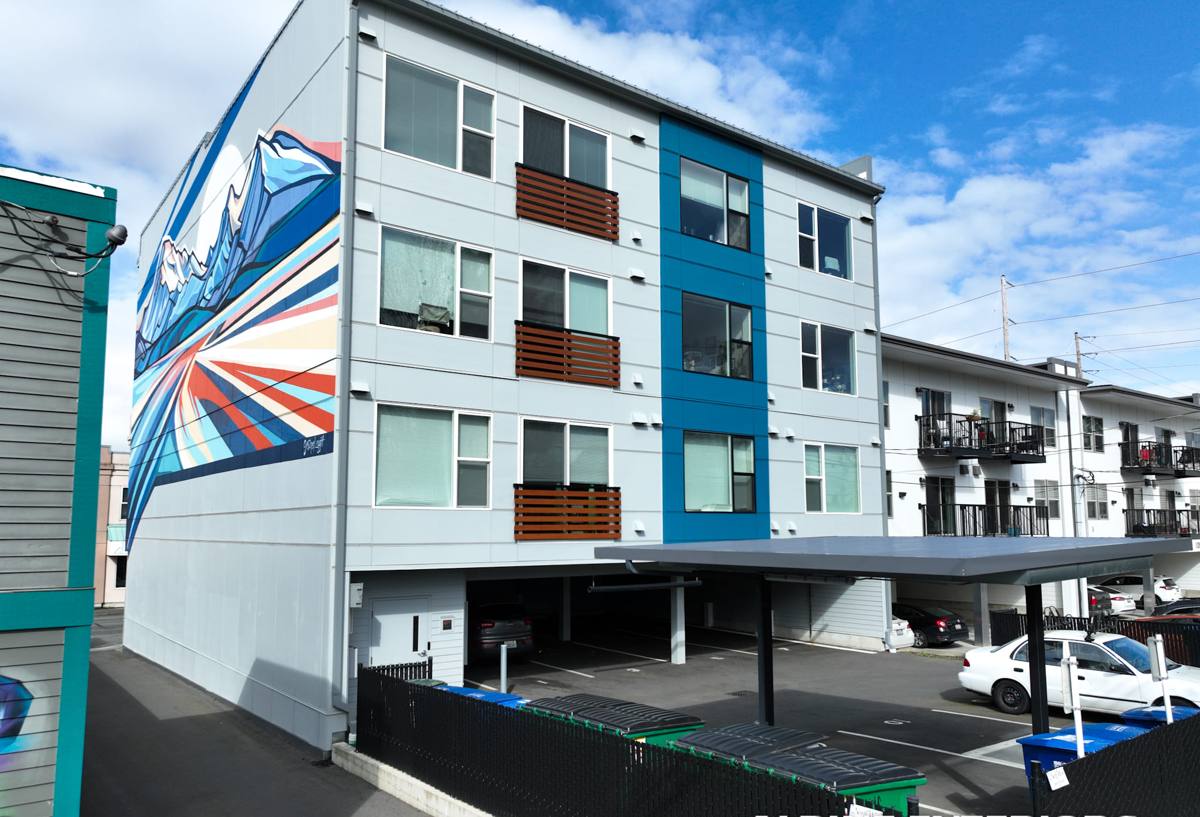
How Salt Air, Wind-Driven Rain, and Moss Season Wear Down Windows
Salt Air and Hardware Corrosion
Salt-laden air accelerates corrosion on any exposed metal — hinges, cranks, locks, and screws. Once hardware starts to pit or seize, windows get harder to open and close, seals compress unevenly, and small gaps open up that let in more moisture. This happens faster and closer to the water, which puts Birch Bay homes ahead of the curve compared to properties further inland.
Driving Rain and Water Intrusion
Wind off the water doesn't just bring rain — it pushes it sideways and up under trim, sills, and poorly sealed flanges. Windows facing open exposure take the brunt of this. Over time, water that gets behind the frame rather than shedding off it is what leads to rot in the framing, not just a wet windowsill.
Moss, Mildew, and a Long Wet Season
Whatcom County's wet season runs long, and shaded or north-facing walls in Birch Bay can stay damp for weeks at a stretch. Moss and mildew don't just grow on roofs and siding — they take hold in window tracks, weep holes, and trim joints, holding moisture against wood and caulk long after the rain stops. That constant dampness is what quietly breaks down seals and finishes years before they'd otherwise wear out.
Signs Birch Bay Homeowners Should Watch For
Most window failure is gradual, so by the time it's obvious, there's usually been water intrusion for a while already. Worth checking each year before the wet season sets in:
- Fogging or condensation between panes on double- or triple-glazed windows — a sign the seal has failed
- Soft, discolored, or spongy wood at the sill or lower corners of the frame
- Windows that stick, won't latch fully, or have become hard to crank open
- Visible gaps between the frame and siding, or cracked and missing caulk lines
- A noticeable draft or cold spot near the window even when it's fully closed
- Paint or finish peeling specifically around the window frame, not the surrounding wall
- Moss or dark staining building up in the tracks or on the sill
Any one of these on its own might just need maintenance. Several at once, especially on a wall exposed to prevailing wind and rain, usually means the window itself is due for replacement rather than another round of caulk and paint.
What a Correct Window Replacement Actually Involves
It Starts With the Opening, Not the Window
Before a new window goes in, the opening needs to be checked for hidden rot or water damage — this is especially common in Birch Bay on walls that take direct wind and rain. Skipping this step and installing a new window over a compromised opening just seals the problem behind a nicer-looking frame, and it will resurface.
Flashing and Water Management
Proper flashing — integrated with the house wrap or building paper so water is directed out and down, never trapped behind the window — matters more here than in a sheltered inland location. This is one of the most common points of failure we see in past installs: caulk used as a substitute for real flashing, which holds up for a season or two and then fails quietly, behind the wall, where you won't see it until there's damage.
Sealing and Insulation
The gap between the window frame and the rough opening needs to be properly insulated and air-sealed on the interior side, with a weather-resistant seal on the exterior — not solid foam, not just a bead of caulk. Done right, this stops both drafts and condensation problems at the frame edge, which is usually where older windows fail first.
Cleanup and Finish Work
Old windows, packaging, and trim waste get hauled off the site. A finished job should leave the interior and exterior trim looking clean and matched to the surrounding wall, not just a new window dropped into an old opening.
Choosing a Frame Material for a Salt-Air Environment
Frame material matters more in Birch Bay than it would a few miles inland, because whatever you choose is going to spend years being tested by salt air and driving rain. Here's how the common options generally compare for this kind of exposure:
| Frame Material | Coastal / Salt-Air Behavior | Maintenance | Trade-offs |
|---|---|---|---|
| Vinyl | Doesn't corrode or rust; handles salt air well | Low — occasional cleaning | Limited color and finish options; can't be painted long-term |
| Fiberglass | Very stable through moisture and temperature swings; strong corrosion resistance | Low | Higher upfront cost than vinyl |
| Aluminum | Prone to corrosion and pitting near salt air unless properly coated | Higher — coatings need upkeep | Thermally conductive, which hurts insulation unless thermally broken |
| Wood | Attractive but vulnerable to moisture and rot without diligent upkeep | Highest — refinishing and sealing | Best suited to sheltered exposures, not walls that take direct wind and rain |
We'll walk through these trade-offs against your home's actual exposure — a window on a sheltered wall doesn't need the same spec as one facing open wind off the water.
Glass and Weatherproofing Choices That Matter Here
Frame material is half the equation — the glass package and seal quality matter just as much in a marine climate.
- Low-E coatings help manage heat loss through the long, overcast Whatcom County winter without making the home stuffy in summer
- Argon or krypton gas fill between panes improves insulation, which also reduces the temperature swing that drives interior condensation
- Warm-edge spacers between panes resist seal failure better than older metal spacers, which is worth the upgrade on a home that will see decades of damp weather
- Weatherstripping quality at the sash matters as much as the glass — a good glass package with a cheap seal will still let in drafts and moisture
None of these choices need to be complicated. The goal is matching the window's glass and seal spec to how much weather that particular wall of the house actually takes.
Our Process, From Estimate to Finished Install
We keep this straightforward:
- A walkthrough of the windows you're considering replacing, checking framing condition and exposure for each one
- A clear recommendation on materials and glass package suited to that window's location on the house
- A written estimate with no pressure to decide on the spot
- Removal of the old window, inspection and repair of the opening if needed, and a properly flashed and sealed install
- Cleanup, haul-away of old materials, and a final walkthrough with you
We're not trying to upsell every homeowner to the most expensive option available. Some windows on a Birch Bay home — a sheltered wall, a covered porch — don't need the same spec as a window taking direct wind off the water. Part of doing this right is telling you where you can save money and where it isn't worth cutting corners.
Cost Factors to Expect
Every home is different, but the factors that move the price on a Birch Bay window replacement are fairly consistent:
| Factor | How It Affects Cost |
|---|---|
| Frame material | Vinyl is typically the most affordable; fiberglass and clad-wood options cost more upfront |
| Window size and type | Larger openings, custom shapes, and operable styles like casement or awning cost more than standard sizes |
| Condition of the opening | Hidden rot or water damage found during removal adds repair cost before the new window goes in |
| Glass package | Low-E coatings, gas fill, and upgraded spacers add cost but reduce long-term energy and condensation issues |
| Number of windows | Doing multiple windows in one project generally lowers the per-window cost versus one at a time |
We'll give you an honest, itemized estimate up front rather than a vague ballpark, so you know exactly what you're paying for and why.
Why Hiring a Crew That Already Works in Birch Bay Matters
A contractor who mostly works inland doesn't necessarily think about salt-air hardware corrosion, wind-driven rain exposure, or how long moss season really runs on this part of the coast. Those aren't exotic problems, but they change what a correct installation looks like — the flashing detail, the frame material recommendation, the sealant choice. A crew that regularly works Birch Bay and the surrounding Whatcom County coastline has already seen what fails here and why, and builds the install accordingly instead of learning on your house.
Local also means practical things: knowing the area well enough to give an accurate timeline, being reachable if a question comes up after the install, and treating a coastal home differently from a standard inland job because it genuinely is different.
If your windows in Birch Bay are fogging, sticking, drafty, or just old enough that you're wondering, we're happy to take a look and give you a straightforward, no-pressure estimate. Use the form below to get started.