 Bellingham Siding
 Energy-Efficient Windows in Barkley: Where Comfort and Utility Bills Meet the Marine Climate
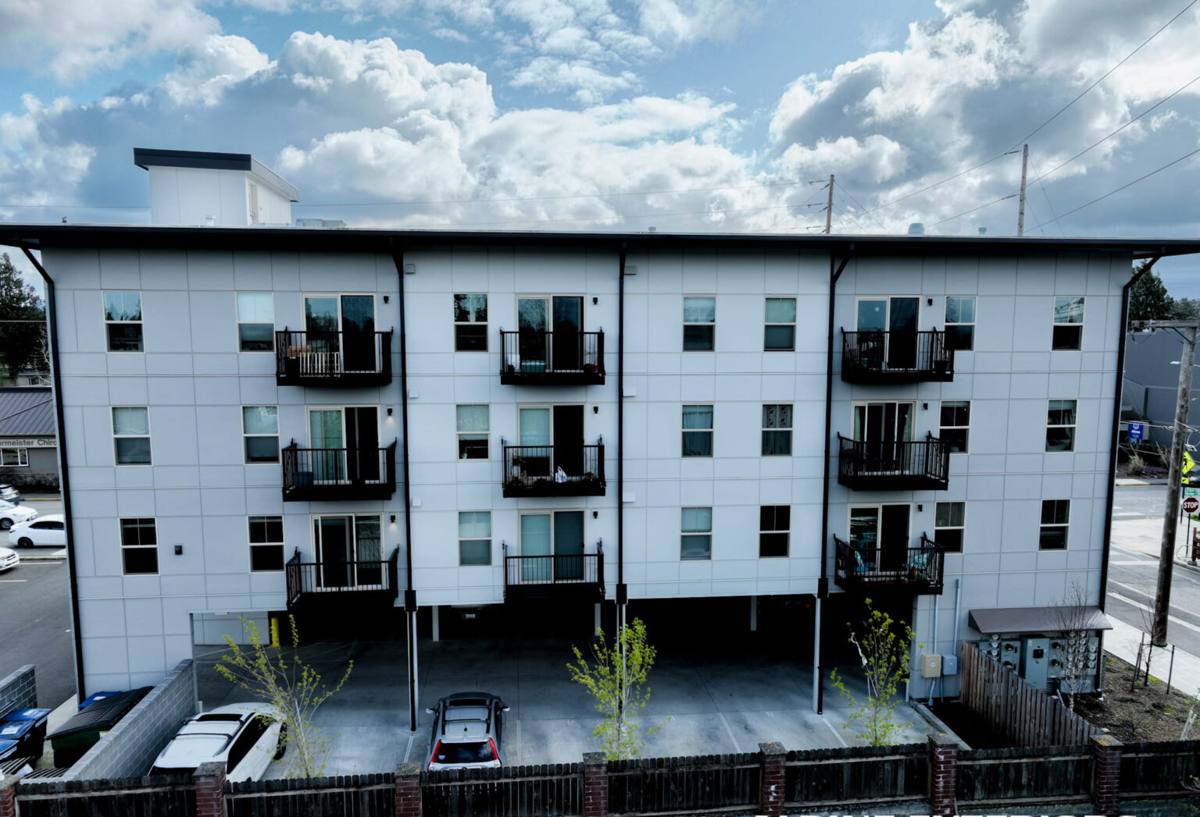
Barkley sits on the east side of Bellingham, a mixed neighborhood of newer construction and older homes that were built before energy codes asked much of window performance. In a marine climate like Whatcom County's, that gap between an old window and a properly specified energy-efficient one shows up twice a year in very different ways: as cold drafts and condensation through the wet winter months, and as uncomfortable heat gain on the handful of genuinely warm days each summer. Salt-laden air off the Salish Sea, driving rain that comes in sideways during winter storms, and a moss season that runs most of the year all add wear to window frames and seals on top of the basic energy question, which is why window work out here has to account for more than just glass performance.
We handle siding, roofing, windows, and decks throughout Bellingham and the surrounding parts of Whatcom County, and energy-efficient window replacement is one of the most direct ways a homeowner can cut heating costs and improve comfort without touching the rest of the building envelope. Done correctly, it also closes off one of the more common points where wind-driven rain finds its way into a wall assembly.
Why Older Barkley Homes Lose So Much Energy Through Windows
Single-Pane and Early Double-Pane Glass
Homes built before the 1990s in this part of Bellingham commonly still have original single-pane windows, or early double-pane units with aluminum spacers and no low-E coating. Both types perform poorly compared to current glazing, losing heat through the glass itself and through the frame, and both tend to run cold to the touch in winter, which is a direct sign of heat loss.
Failed Seals and Fogged Glass
Double-pane windows installed in the 1990s and 2000s are now old enough that seal failure is common. Once the seal between panes breaks down, the inert gas fill that gave the window its insulating value escapes, moisture gets trapped between the panes, and the window's energy performance drops even though it may still look intact from the outside.
Air Leakage Around the Frame
A window can have excellent glass and still perform poorly if air is leaking around the frame itself. Old weatherstripping, warped wood sashes, and settling in the rough opening all create gaps that let conditioned air out and cold, damp outside air in — and in Bellingham's climate, that same gap is often how wind-driven rain gets into the wall assembly.
Heating Costs Over a Long Wet Season
Whatcom County's heating season runs long, even if temperatures rarely drop as low as inland climates see. Homes are heated for a large share of the year, which means inefficient windows keep costing money for months at a stretch rather than during a short cold snap.
What "Energy-Efficient" Actually Means in a Window
Energy-efficient is a specific, measurable claim, not a marketing label. Three numbers do most of the work in describing how a window will perform in this climate, and it's worth understanding what each one tells you before comparing options.
| Measurement | What It Tells You | What to Look For Here |
|---|---|---|
| U-Factor | How well the window resists heat loss — lower is better | Lower U-factor matters most given our long heating season |
| SHGC (Solar Heat Gain Coefficient) | How much solar heat passes through the glass | Moderate SHGC balances winter solar gain against summer overheating |
| Air Leakage Rating | How much air passes through the assembly when closed | Lower is better — this also affects wind-driven rain resistance |
A window with a strong U-factor rating but poor installation will still underperform, because heat and air don't only move through the glass — they move through every gap in the frame and flashing. That's why we treat the numbers on the label and the quality of the install as two halves of the same job, not separate concerns.
Signs a Barkley Home Is Losing Energy Through Its Windows
- Rooms near windows feel noticeably colder than the rest of the house in winter
- Visible fog or moisture trapped between panes on a double-pane window
- Heavy interior condensation on window glass on cold mornings
- Noticeable drafts felt by hand near the frame even when the window is latched shut
- Heating bills that feel high relative to the size and age of the home
- Frames that feel cold to the touch compared to the surrounding wall
Installation Quality: Why It Determines Real-World Energy Performance
The energy rating printed on a window applies to the unit tested in a lab, not to the unit as installed in a wall. In the field, performance depends heavily on how well the window is air-sealed and flashed into the surrounding wall assembly. A gap left between the window frame and the rough opening — even a small one — creates an air leak that undercuts the rated performance and gives wind-driven rain a path inward.
Air Sealing
Proper installation includes sealing the gap between the window unit and the rough opening with an appropriate insulating material, not just relying on trim to hide the joint. This is standard practice on every window we install, not an upgrade.
Flashing Integration
Flashing has to lap correctly with the surrounding weather-resistive barrier and siding so that any water that does reach the opening is directed back out rather than trapped behind the window. This detail matters as much for keeping a wall dry as it does for energy performance, since a wet wall assembly loses insulating value.
Common Mistakes on Older Homes
On replacement jobs around Bellingham, the most common issue we find isn't a bad window unit — it's a gap left unsealed behind the trim, or caulk used as a substitute for real flashing instead of a supplement to it. Caulk alone dries out and cracks over time and was never meant to carry the full job of keeping water and air out on its own.
Choosing a Window System for This Climate
We install vinyl and fiberglass window systems and talk homeowners through the honest trade-offs between them rather than pushing one option as universally correct. What matters most for a Barkley home is a tight frame, a glazing package suited to a wet, mild, low-extreme-temperature climate, and hardware that holds up under sustained marine air exposure.
- Frame material: Vinyl and fiberglass both resist rot and don't require the ongoing paint maintenance that uncladded wood frames do in this climate.
- Glazing package: Double-pane with a low-E coating and argon fill is a solid baseline for Whatcom County; triple-pane can make sense for north-facing rooms or homes especially exposed to wind.
- Spacer type: Warm-edge spacers (rather than older aluminum spacers) reduce heat loss at the edge of the glass and cut down on the cold-edge condensation that shows up on older windows.
- Hardware grade: Corrosion-resistant hardware holds up longer against the salt-laden air that reaches inland across Bellingham than standard-grade hardware does.
- Warranty structure: A manufacturer's product warranty and our installation warranty are two separate things, and we're upfront about what each one covers.
Replacement vs. Repair: Making an Honest Call
Not every underperforming window needs full replacement. A window with a failed seal but a sound frame and functioning hardware can sometimes be a reasonable repair or reglaze candidate, especially if the rest of the home's windows are newer. A window with a rotted frame, warped sash, or hardware that's been failing for years is usually a better replacement candidate, since the labor of repeatedly patching it tends to cost more over time than doing it right once.
Our Process
We start with an on-site look at the existing windows — checking frame condition, seal integrity, hardware function, and how the current flashing ties into the surrounding siding. From there we give a straightforward read on which windows are worth repairing and which make more sense to replace, along with a written scope before any work begins. Air sealing and flashing are handled as standard practice on every window we install, not offered as an optional add-on, and we coordinate the work with any siding or trim in the surrounding area so the whole assembly ties together correctly.
Why a Local Crew Matters for Window Work in Barkley
A contractor who works this part of Bellingham regularly understands how wind-driven rain, marine air, and Whatcom County's long moss season behave here, and that understanding shows up in the small decisions — how much lap a flashing detail gets, whether air sealing is treated as standard or skipped to save time, which hardware grade gets specified. Those decisions are what actually determine whether an energy-efficient window delivers on its rating for one winter or for decades.
If your Barkley home has drafty, foggy, or hard-to-close windows, or you're just trying to get a handle on where your heating dollars are going, we're happy to take a look and give an honest read on repair versus replacement. Reach out below for a free, no-pressure estimate.