 Bellingham Siding
 Windows in Sehome Face a Specific Kind of Weather
Sehome sits close enough to Bellingham Bay that homes here take on salt-laden air along with the driving, sideways rain that blows in off the water most of the fall and winter. Add in the long stretch of gray, damp months that let moss and algae get a foothold on anything that stays wet, and you've got a climate that is genuinely hard on window assemblies. Wind-driven rain doesn't just hit glass — it gets pushed sideways into gaps around frames, under trim, and into any flashing detail that was installed as an afterthought. That's the piece that matters most for window installation in this part of Whatcom County: it's not really about the glass, it's about what happens at the edges.
Sehome's mix of older bungalows, mid-century houses, and newer infill construction means we see a wide range of window conditions on any given block. Some homes still have original wood-frame single-pane windows that were never a great match for this climate to begin with. Others have vinyl replacements from decades ago that were installed without proper flashing and have been slowly letting water into the wall cavity ever since — often with no visible sign until the trim or sill starts to soften.
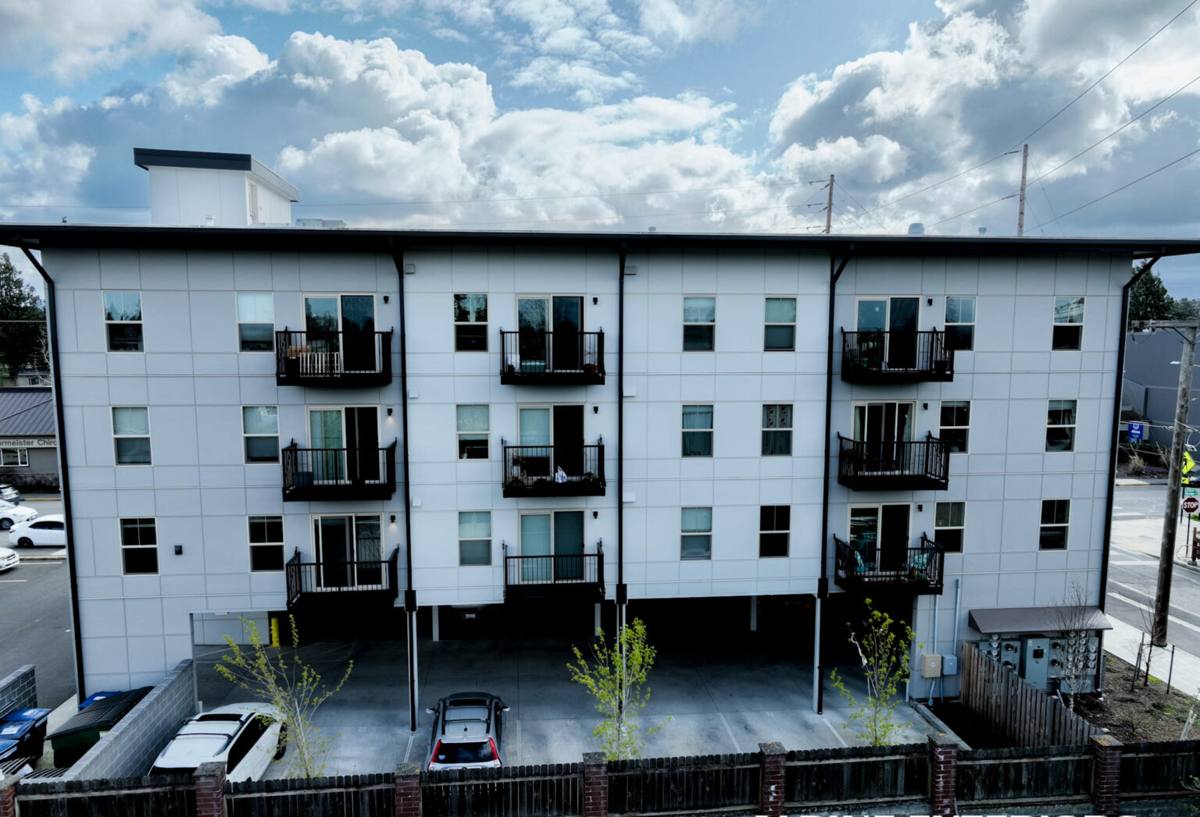
What Bellingham's Climate Actually Does to a Window Opening
Wind-Driven Rain
Standard vertical rainfall is easy for most windows to shed. The problem in this area is rain that's being pushed horizontally by wind coming off the bay, which finds its way into any seam that isn't properly lapped and sealed. A window that would perform fine in a drier, calmer climate can still leak here if the flashing sequence wasn't done correctly.
Salt Air and Metal Fatigue
Homes closer to the water deal with airborne salt that accelerates corrosion on window hardware, fasteners, and metal flashing over time. It's a slower process than the moisture damage, but it's part of why we pay attention to what fasteners and flashing metals go into an installation this close to Bellingham Bay.
Moss, Algae, and Prolonged Dampness
Whatcom County's long wet season means anything that holds moisture — a poorly sloped sill, a clogged weep hole, a north-facing wall that never fully dries — becomes a spot for moss and algae to establish. Beyond looking bad, sustained dampness against wood trim or sheathing is what eventually leads to rot.
Temperature Swings and Condensation
Bellingham doesn't get extreme heat, but the gap between a cold, damp exterior and a warm, humid interior (especially in bathrooms, kitchens, and laundry rooms) is enough to cause condensation on older single-pane glass and, in bad cases, moisture buildup inside double-pane units with failed seals.
What a Correct Window Installation Actually Involves
The window itself is often the easy part. What separates a window that lasts twenty-plus years from one that starts leaking in three is the sequence of work around the opening — most of which is invisible once the trim goes back on.
- Removing the old window without tearing out more of the surrounding wall than necessary, and inspecting the sheathing and framing underneath for hidden rot before anything new goes in
- Correcting any soft or damaged framing found during removal — installing a new window into a compromised opening just repeats the same failure later
- Installing weather-resistant barrier and flashing tape in the correct shingle-lap order (sill, jambs, then head) so water is always directed outward and down, never trapped behind the window
- Setting the window level, plumb, and square, with proper shimming so the frame isn't stressed and the sash operates smoothly for years
- Sealing and insulating the gap between the window frame and the rough opening — not overfilled with expanding foam, which can bow the frame
- Sloping the sill pan slightly outward so any water that does get past the glass drains away from the house instead of pooling
- Finishing with exterior trim and caulking sized and placed to shed water, not just to look clean
Skipping or rushing any one of these steps is how a brand-new, expensive window ends up with a rot problem behind the wall within a few winters — something we see often enough on older Sehome homes that had replacement windows installed without proper flashing.
Signs a Sehome Home's Windows Need Attention
- Fogging or moisture between panes of a double-pane window — the seal has failed and the insulating gas is gone
- Soft, discolored, or crumbling trim or sill wood, especially on walls that face prevailing wind and rain
- Drafts you can feel near the frame even when the window is fully closed and locked
- Windows that are difficult to open, close, or lock — often a sign the frame has shifted or swollen
- Visible gaps, cracked caulking, or daylight around the frame from the interior
- Persistent moss or dark staining on the exterior trim or sill
- Rising heating bills without another clear explanation
Comparing Window Frame Materials for This Climate
| Material | How It Handles Wet, Salt-Air Climate | Maintenance | Typical Lifespan |
|---|---|---|---|
| Vinyl | Won't rot or corrode; performs well if properly flashed and installed | Low — occasional cleaning | 20–30+ years |
| Fiberglass | Very stable in temperature swings and moisture; strong resistance to warping | Low | 30+ years |
| Wood | Handsome, traditional look but needs consistent upkeep to resist rot in this rainfall | High — regular painting/sealing | Varies widely with maintenance |
| Wood-clad (wood interior, metal/vinyl exterior) | Good compromise — protected exterior face, warm interior look | Moderate | 20–30+ years with care |
| Aluminum | Prone to corrosion near salt air and poor thermal performance unless thermally broken | Moderate | Varies; corrosion risk near the bay |
We don't push any one brand or material as the only right answer — the correct choice depends on the home's style, budget, and how exposed that particular wall is to wind and rain. What we do insist on, regardless of material, is correct flashing and installation technique, because that's what actually determines whether a window performs well in this climate.
Our Process for a Sehome Window Installation
1. On-Site Assessment
We look at each window opening individually — not every wall on a house takes the same weather exposure, and a west- or south-facing wall catching the prevailing rain often needs more attention to detail than a sheltered side.
2. Honest Scope and Pricing
We tell you up front if we expect to find rot or framing issues once a window comes out, and what that would add to the job. Nobody likes a surprise mid-project, and in a wet climate like this, hidden damage is common enough that we'd rather flag the possibility early.
3. Removal and Inspection
Old windows come out carefully, and we inspect the framing and sheathing before anything new goes in. If we find damage, we show you what we found and what fixing it involves before proceeding.
4. Correct Installation Sequence
Flashing, sill pan, window set, insulation, and trim — done in the order that actually keeps water out, not the fastest order.
5. Cleanup and Walkthrough
We clean up the work area and walk you through the finished windows — how they operate, how to maintain them, and what to watch for.
Cost Factors for Window Installation in Sehome
| Factor | Why It Affects Cost |
|---|---|
| Number of windows | Per-window cost typically drops on larger jobs due to shared setup and labor efficiency |
| Frame material | Vinyl is generally the most budget-friendly; fiberglass and wood-clad cost more upfront |
| Window size and type | Standard double-hung windows cost less than large picture windows, bays, or custom shapes |
| Hidden framing repair | Rot or water damage found during removal adds labor and material not visible from outside |
| Trim and exterior finish work | Matching existing trim profiles or repainting/restaining adds time |
| Wall exposure | Walls that take the brunt of wind-driven rain may warrant extra flashing detail |
Why It Matters to Hire a Crew That Already Works This Neighborhood
Window installation isn't the same job everywhere. A crew used to a drier inland climate can do fine work there and still install a window incorrectly for Bellingham's conditions — not because they're careless, but because they don't build the habit of treating every flashing detail as non-negotiable. Working regularly in Sehome and the surrounding Bellingham neighborhoods means we've seen how the specific combination of driving rain, salt air, and long wet seasons plays out on real houses over years, not just at the moment of installation.
That local pattern recognition matters when we're assessing an older Sehome home — knowing what to check for in a house of a certain age and construction style, and not treating every job as a blank slate. It also means we're a known, reachable local business if a question comes up after the work is done, not a crew that was passing through Whatcom County for one project.
Ready to Talk About Your Windows?
If you're dealing with drafty, foggy, or hard-to-operate windows in Sehome, or you're just planning ahead before the wet season sets in, we're happy to take a look and give you a straight answer about what your home actually needs. Reach out for a free, no-pressure estimate using the form below.