 Bellingham Siding
 Roofing in Sunnyland: A Neighborhood With Its Own Weather Habits
Sunnyland sits close enough to Bellingham Bay that homes here deal with a slightly different mix of weather stress than roofs further inland in Whatcom County. It's not dramatic — no hurricanes, no hailstorms — but it's persistent. Salt-tinged air off the bay works on exposed metal fasteners and flashing over time. Driving rain off Pacific storm systems finds every weak seam and worn-out flashing detail. And the long stretch of gray, wet months each year gives moss and moisture a head start that drier climates simply don't deal with. None of this means a Sunnyland roof needs anything exotic. It means the installation has to be done right, with the right materials in the right places, by people who understand what this specific stretch of coastline does to a roof over a 20- or 30-year lifespan.
A new roof installation is one of the few home projects where cutting corners doesn't show up right away. A roof that's improperly flashed, under-ventilated, or installed with the wrong underlayment can look fine for a year or two before problems start — trapped moisture, premature shingle failure, ice damming in a cold snap, or moss working its way under the shingle edge. Getting it right the first time matters more here than in a drier climate, because the margin for error is smaller.
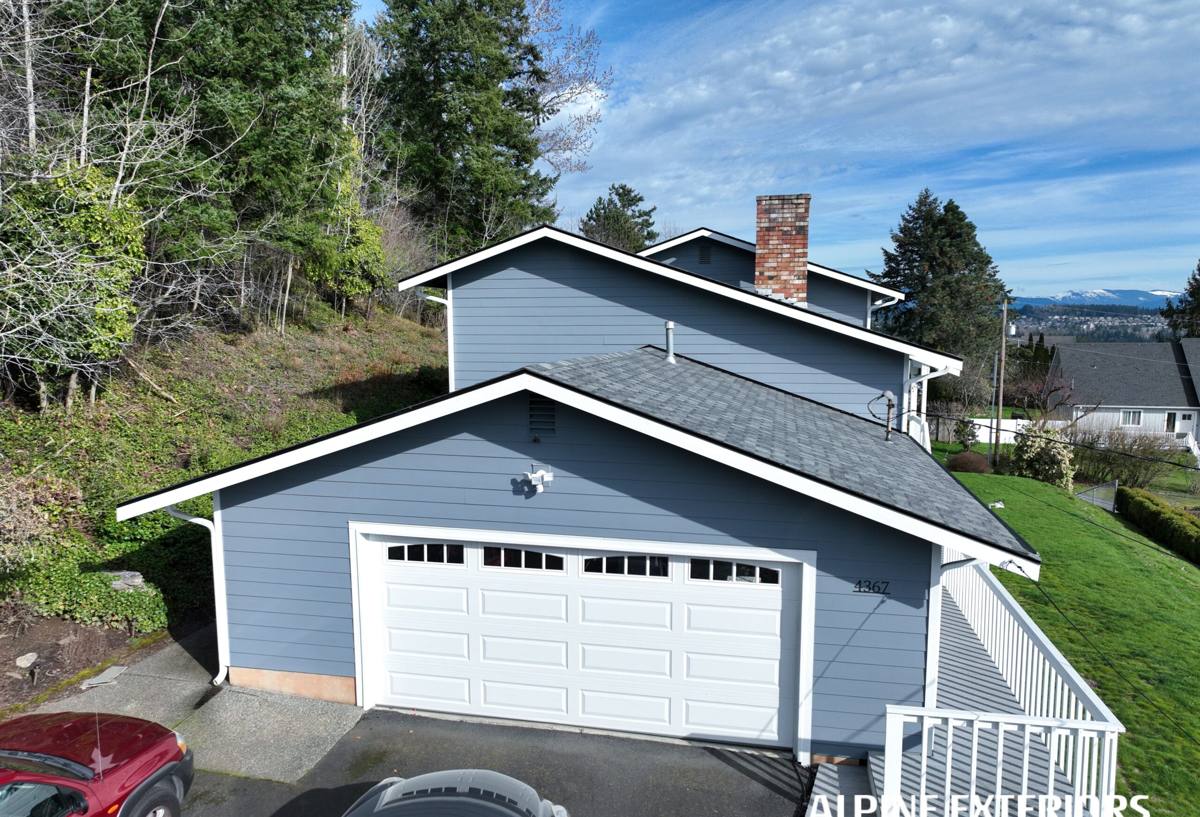
How Bellingham's Climate Actually Wears Down a Roof
Moisture Load
Whatcom County gets a long wet season, and Sunnyland's proximity to the water means humidity stays elevated even on days without active rain. That constant moisture is what drives moss, algae, and the slow breakdown of organic roofing materials. A roof system built for a drier climate — thinner underlayment, minimal ventilation, tight-nailed shingles with no room to breathe — doesn't hold up the same way here.
Salt Air and Metal Components
Flashing, fasteners, vents, and any exposed metal on a roof are more exposed to corrosion near the bay than they would be further inland. This doesn't mean metal roofing or metal flashing is off the table — it means the metal used and how it's protected matters more in Sunnyland than it would in, say, a home east of I-5.
Moss and Debris
Overhanging trees, shaded north-facing slopes, and Bellingham's mild-but-wet winters give moss plenty of time to establish itself. Moss isn't just cosmetic — as it grows, it lifts shingle edges, holds water against the roof deck, and accelerates granule loss. A new roof installed without attention to slope, ventilation, and edge detailing will grow moss faster than one that accounts for it from day one.
Signs a Sunnyland Home Needs a New Roof, Not Another Repair
Not every roofing problem needs a full replacement. But there's a point where patching becomes a losing game, especially with older roofs common in this part of Bellingham. Signs worth taking seriously include:
- Shingles that are curling, cupping, or losing granules in large patches rather than isolated spots
- Multiple layers of moss or algae staining that keeps returning after cleaning
- Soft spots or visible sagging when walking the roof or viewing it from the ground
- Daylight visible through the roof deck from inside the attic
- Repeated leaks in different locations rather than one recurring spot
- A roof that's 20+ years old on standard asphalt composition shingles
- Flashing around chimneys, vents, or valleys that's rusted, lifted, or was never properly sealed
If a roof is showing two or more of these at once, a straight repair usually just delays the same conversation by a year or two — often at a higher cumulative cost than doing the replacement now.
What a Correct New Roof Installation Actually Involves
A new roof is more than laying down new shingles. In a climate like Bellingham's, the parts of the system nobody sees from the ground are what determine whether the roof lasts its full warranty life.
Tear-Off and Deck Inspection
A full tear-off to bare deck lets us actually see the plywood or OSB underneath — soft, delaminated, or water-stained sections get replaced before anything new goes down. Installing over a compromised deck is one of the most common shortcuts that leads to early failure, and it's invisible once the new roof is on.
Underlayment
Given how much rain this area sees, underlayment isn't a place to save money. A quality synthetic or self-adhered underlayment, with extra ice-and-water shield at eaves, valleys, and around penetrations, is what actually keeps water out if wind-driven rain gets under a shingle tab.
Flashing
Every roof-to-wall transition, chimney, skylight, and valley needs properly formed and sealed flashing — not just roofing cement smeared over an old piece of metal. This is the single most common source of leaks on older Bellingham homes, and it's a detail that's easy to rush and hard to inspect after the fact.
Ventilation
Balanced intake and exhaust ventilation keeps the attic space dry and temperature-stable, which reduces condensation buildup on the underside of the deck and helps prevent ice damming during cold snaps. It also extends shingle life by keeping the deck from overheating in summer.
Fastening and Wind Resistance
Correct nail placement and count matter more than most homeowners realize — under-fastened shingles are one of the top causes of wind-related roof failure, and Bellingham does get its share of winter windstorms off the water.
Material Options for Sunnyland Homes
There's no single "best" roofing material — the right choice depends on budget, the home's style, and how much long-term maintenance the homeowner wants to take on. Here's an honest comparison for this climate:
| Material | Typical Lifespan | Moss/Moisture Behavior | Maintenance |
|---|---|---|---|
| Asphalt composition shingle (standard) | 20-25 years | Prone to moss without good ventilation and clean edges | Periodic cleaning, moss treatment |
| Asphalt composition shingle (architectural) | 25-30 years | Thicker profile sheds water better, still needs moss management | Periodic cleaning, moss treatment |
| Standing seam metal | 40-50+ years | Sheds moisture fast, very moss-resistant | Low, but coastal fastener/coating quality matters |
| Cedar shake | 20-30 years with upkeep | Absorbs moisture, highest moss/rot risk in this climate | High — regular treatment required |
For most Sunnyland homes, a mid-to-high grade architectural asphalt shingle is the practical middle ground — solid wind and weather resistance without the higher upfront cost of metal. Homeowners planning to stay long-term or who want the lowest maintenance often look at standing seam metal despite the higher initial investment, since it holds up especially well against the moss and moisture issues common this close to the bay.
What Drives the Cost of a New Roof
Every roof is different, and we're not going to quote a number without seeing the actual house, but these are the main factors that move the price up or down:
| Factor | Why It Matters |
|---|---|
| Roof size and number of stories | More square footage and steeper access increase labor and material needs |
| Roof pitch and complexity | Multiple valleys, dormers, and steep slopes take more time and material to flash correctly |
| Deck condition | Rotten or delaminated sheathing found during tear-off adds replacement cost |
| Material choice | Standard asphalt, architectural shingle, and metal carry different material and labor costs |
| Ventilation upgrades | Adding proper intake/exhaust venting where none existed is a worthwhile add, not just a cost |
| Layers to remove | Multiple existing layers mean more tear-off labor and disposal |
Our Process for a Sunnyland Roof Replacement
- On-site inspection and honest assessment of whether replacement or repair is the right call
- Written estimate that breaks down material, labor, and any anticipated deck repair allowance
- Scheduling that accounts for Bellingham's weather windows, since roofing needs a reasonably dry stretch to do right
- Full tear-off, deck inspection, and any needed sheathing replacement
- Installation of underlayment, ice-and-water shield, flashing, ventilation, and final roofing material
- Site cleanup, including magnetic sweep for stray fasteners
- Final walkthrough so the homeowner can see the finished work and ask questions before we call it done
Permits and Local Code
Roof replacements in Bellingham and Whatcom County typically require a permit, and inspections check things like proper flashing, ventilation, and fastening to current code. We handle the permitting process as part of the job rather than leaving it to the homeowner, and we build to the standard the inspector expects — not the minimum that might slide by.
Why Local Experience in Sunnyland Actually Matters
A lot of roofing companies work broadly across Whatcom County and treat every job as a generic install. There's real value in working a specific neighborhood repeatedly — we've seen how Sunnyland's tree cover, roof pitches common to the area, and proximity to the bay play out over time. That means fewer surprises during tear-off, better judgment on ventilation and moss-prevention detailing up front, and a clearer sense of which materials actually hold up here versus which ones look good on paper. It also means a shorter travel radius for warranty callbacks or questions after the job is done, which matters more than people expect once the roof is a few years old.
Maintaining a New Roof in This Climate
Even a well-installed roof benefits from basic upkeep in a climate like this. A short annual checklist keeps small issues from becoming expensive ones:
- Clear debris and overhanging branches that trap moisture on the roof surface
- Check and clean gutters at least twice a year so water isn't backing up under the roof edge
- Watch for early moss growth and treat it before it spreads, rather than waiting for a heavy buildup
- After major windstorms, do a visual check from the ground for lifted or missing shingles
- Have flashing around chimneys and vents checked periodically, since these are the most common leak points over time
If you're weighing a repair against a full replacement, or just want a straight answer on what your Sunnyland roof actually needs, we're happy to take a look and walk you through it. The estimate is free, there's no pressure, and you'll get a clear breakdown before you decide anything — just fill out the form below to get started.