 Bellingham Siding
 Siding Built for South Hill's Weather, Not Just Its Look
South Hill sits above the rest of Bellingham, and that elevation is a mixed blessing. The views are real, but so is the extra exposure. Homes up here take wind and driving rain off Bellingham Bay more directly than houses tucked into lower, more sheltered parts of the city, and that exposure adds up over the decades. Add in Whatcom County's long, wet moss season and the salt-tinged air that comes with living close to the water, and you have a siding environment that is more demanding than it looks on a sunny day.
A lot of the siding problems we get called out for in this neighborhood aren't dramatic. They're slow: a few years of trapped moisture behind old boards, moss creeping into seams that were never quite sealed right, paint that keeps failing no matter how often it gets redone. None of that is a mystery once you've worked on enough South Hill homes. It's a pattern, and it's one we plan around before the first board goes up.
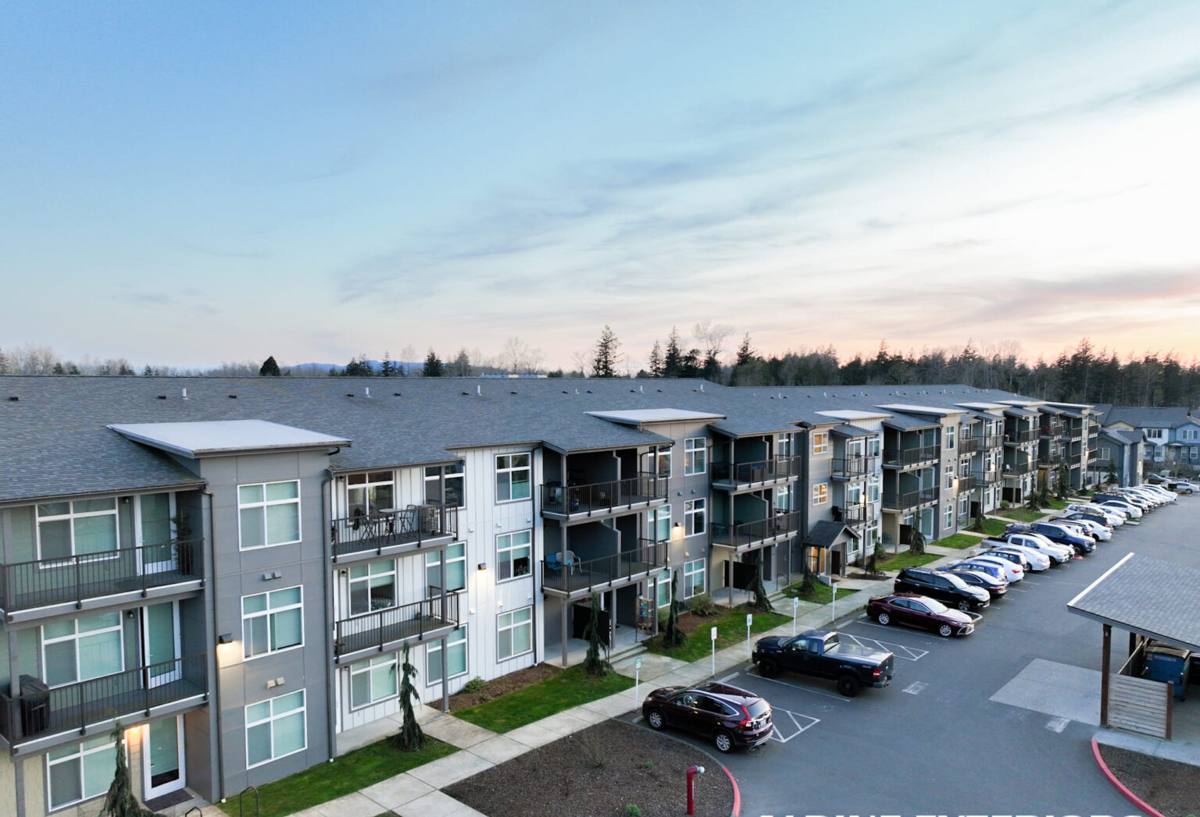
What South Hill's Climate Actually Does to Siding
Wind-Driven Rain
Rain that falls straight down is easy for siding to shed. Rain that's being pushed sideways by wind off the water is a different problem — it finds horizontal laps, unsealed joints, and thin caulk lines that would never leak in calmer conditions. On an elevated, more exposed lot, this kind of rain event isn't occasional. It's a regular part of the fall and winter cycle.
Salt Air
Proximity to the bay means airborne salt is a constant, low-level presence on exterior surfaces. It doesn't destroy siding overnight, but it accelerates the breakdown of finishes, fasteners, and caulk that aren't rated for it. Cheaper coatings chalk and fade faster near the water than they would ten miles inland.
Moss and Prolonged Dampness
Whatcom County's moss season runs long — shaded north and east-facing walls in particular can stay damp for weeks at a stretch. Moss isn't just a cosmetic nuisance. Its root structure holds moisture directly against the siding surface, and on wood-based products that moisture eventually works its way into the substrate, especially at cut ends, seams, and anywhere the factory coating has been compromised.
What a Correct Siding Installation Actually Involves
Siding failures in this climate are rarely about the siding material alone — they're almost always about what's happening behind it. A proper installation is a system, and every layer matters:
- A continuous, correctly lapped weather-resistive barrier behind the siding, with no gaps at seams or penetrations
- Properly flashed windows, doors, and any wall penetrations — this is where the majority of hidden leaks originate
- Correct fastener type, spacing, and depth for the specific siding product being installed
- Manufacturer-specified clearances from grade, roofing, decks, and patios so water has somewhere to go
- Caulking only where the manufacturer calls for it — over-caulking traps moisture just as often as it keeps it out
- Proper starter strips and corner details so laps shed water the way they're designed to
Skip any one of these and the siding itself becomes almost irrelevant. We've opened up walls on older South Hill homes where the siding looked fine from the street but the barrier behind it had failed years earlier — the damage was already done before anyone noticed a problem outside.
Why We Only Install James Hardie Fiber Cement
We install James Hardie fiber cement siding exclusively, and in a climate like this one, that's not a brand preference — it's a practical decision. Fiber cement is non-combustible, dimensionally stable, and doesn't absorb and swell with moisture the way wood-based or engineered-wood products can. That matters directly on an exposed, elevated lot that sees more wind-driven rain than average.
Hardie's ColorPlus factory finish is baked on under controlled conditions, which gives it better resistance to fading and chalking from salt air and UV exposure than most field-applied paint systems. And because Hardie engineers regional HZ product lines for different climate zones, the product specified for a home up here is built with Pacific Northwest moisture cycles in mind, not a one-size-fits-all national spec.
We've made a standard of not installing vinyl, LP SmartSide, primed spruce, cedar, or other fiber cement brands. Each of those has legitimate uses elsewhere, but for the wind, rain, and moss conditions typical of this neighborhood, we've seen enough long-term performance data and enough real siding tear-offs to know where we want to put our name.
How Hardie Compares on the Factors That Matter Here
| Factor | James Hardie Fiber Cement | Vinyl | Wood / Engineered Wood |
|---|---|---|---|
| Moisture absorption | Very low | Not absorbent, but seams/gaps let water behind panel | Higher — swells, checks, and rots if compromised |
| Salt air / coastal exposure | Factory finish holds up well | Can chalk and become brittle over time | Prone to accelerated finish failure |
| Fire resistance | Non-combustible | Melts/deforms under heat | Combustible |
| Moss/algae resistance | Good with proper install and finish | Moderate | Susceptible, especially at seams |
| Typical warranty structure | Long-term, transferable | Varies widely by manufacturer | Often shorter or finish-only |
Our Process for a South Hill Installation
1. Site and Existing Condition Assessment
Before we quote anything, we look at the whole picture — the age and type of existing siding, sun and wind exposure on each elevation, roofline and gutter drainage, and any visible signs of past moisture problems around windows, corners, or the base of the walls.
2. Tear-Off and Substrate Inspection
Once the old siding comes off, we inspect the sheathing and framing underneath. This is the point where hidden moss-related or moisture-related damage shows up, and it's far cheaper to address before new siding goes on than to discover it later.
3. Weather Barrier and Flashing
We install a continuous weather-resistive barrier and properly flash every window, door, and penetration before a single piece of Hardie board is hung. This step gets rushed on a lot of budget jobs — it's the one we won't rush.
4. Installation to Manufacturer Spec
Fastener pattern, spacing, clearances, and joint treatment all follow James Hardie's published installation guidelines. This is also what keeps the manufacturer's warranty intact — installation errors are one of the most common reasons Hardie warranty claims get denied.
5. Final Walkthrough
We walk the finished exterior with the homeowner, check every elevation, and confirm clearances, caulking, and trim details before calling the job complete.
Why a Crew That Already Works This Neighborhood Matters
South Hill's older housing stock, hillside lots, and mature landscaping all add real logistical considerations that a crew unfamiliar with the area has to learn on your project instead of before it. Knowing typical siding conditions, drainage patterns on sloped lots, and the access challenges of narrower or terraced properties up here means fewer surprises mid-job. A crew that's already done work in this neighborhood also has a feel for how the local Whatcom County permitting process runs for exterior work, which keeps a project moving instead of stalling on paperwork.
Signs Your South Hill Home May Need New Siding Soon
- Moss or dark streaking that returns within months of cleaning
- Paint that's failing faster than the typical repaint cycle, especially on the windward side of the house
- Soft spots, warping, or visible gaps at siding seams and corners
- Rising interior humidity or musty smell near exterior walls
- Visible daylight or drafts around window and door trim
- Siding that's original to a home built more than 20-25 years ago
What Drives the Cost of a Siding Installation
| Factor | Why It Matters |
|---|---|
| Home size and wall complexity | More corners, gables, and dormers mean more cutting, flashing, and labor time |
| Existing siding removal | Tear-off and disposal of old material adds time versus installing over new construction |
| Substrate repair | Any moisture or moss damage found underneath has to be corrected before new siding goes on |
| Siding profile and finish selection | Lap width, texture, and ColorPlus finish options affect material cost |
| Site access | Hillside lots, tight side yards, or limited staging area can affect labor efficiency |
We give straightforward, itemized estimates rather than vague ranges — every South Hill home is different enough that a generic per-square-foot number rarely holds up once we've actually looked at the walls.
Caring for Your Siding After Installation
Correctly installed James Hardie siding is low-maintenance, but "low" isn't "none." A simple annual routine keeps it performing the way it's designed to in this climate:
- Rinse siding gently once a year to clear salt residue and organic buildup before it can take hold
- Keep gutters clear so water isn't overflowing down the wall face
- Trim back landscaping that keeps siding shaded and damp longer than it needs to be
- Check caulking at trim and penetrations every couple of years and touch up as needed
- Address any impact damage or chipped finish promptly rather than letting moisture get behind it
If you're weighing a siding replacement on South Hill, we're happy to take a look and walk you through what we'd actually recommend for your specific home — no pressure, no generic sales pitch. Use the form below to request a free estimate.