 Bellingham Siding
 New Roof Installation Built for Silver Beach's Climate
Silver Beach sits close enough to the water and under enough tree cover that its roofs take a different kind of beating than roofs a few miles inland in Bellingham. Salt-laden air off the bay accelerates corrosion on fasteners and flashing. Overhanging conifers drop needles and debris that trap moisture and feed moss growth almost year-round. And the driving rain that comes through Whatcom County in fall and winter finds every weak seam, nail pop, and worn flashing detail a roof has. A new roof installed here needs to be built with all three of those pressures in mind from day one, not treated as a generic tear-off-and-replace job.
We've worked on homes throughout this neighborhood long enough to know which details matter most locally: fastener corrosion resistance, moss-resistant material choices, proper eave and valley protection, and attic ventilation that actually keeps up with our damp winters. This page covers what a correct new roof installation looks like for a Silver Beach home, what to expect from our process, and what to ask before you hire anyone for the job.
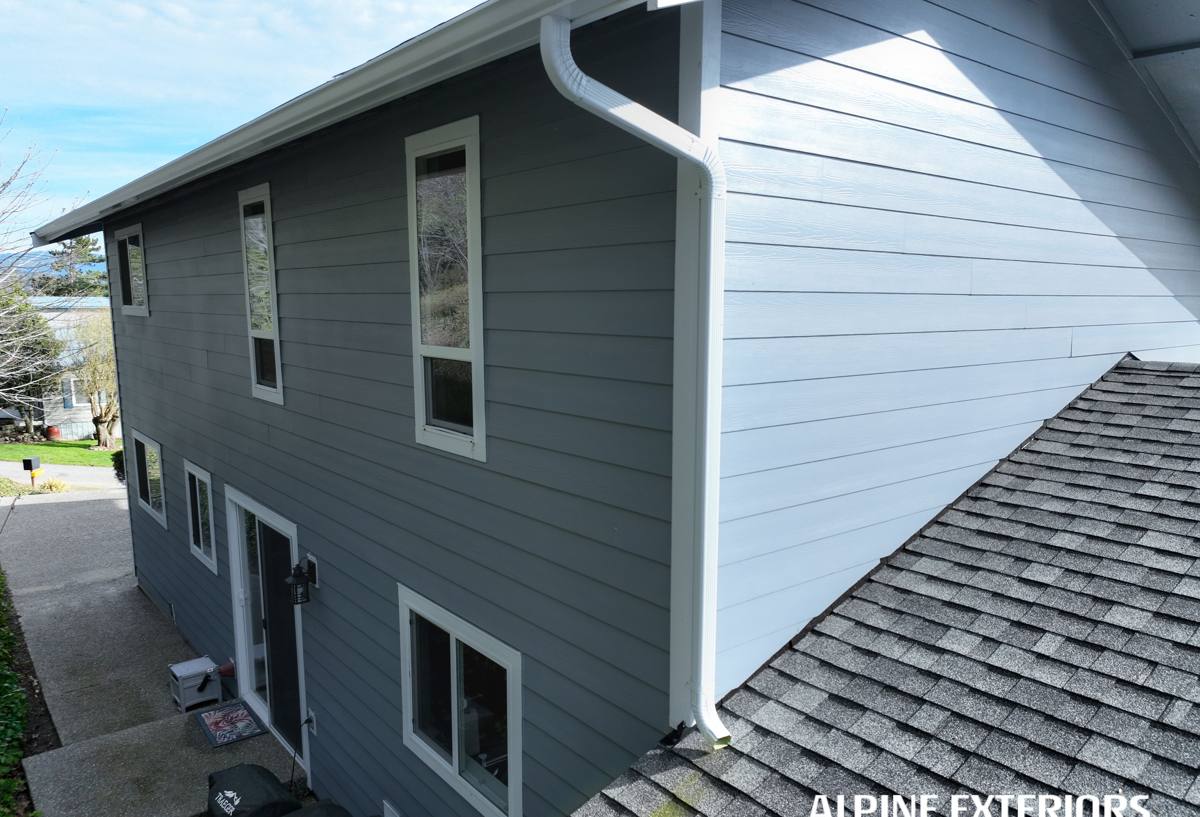
Why Roofs Fail Faster Near the Water
Coastal and near-coastal roofs in Whatcom County don't fail because the materials are bad — they fail because standard installation practices weren't built for this environment. A few specific ways salt air and moisture shorten roof life:
- Fastener corrosion: Standard galvanized nails and staples can start rusting years before they should when exposed to salt-tinged moisture, leading to loosened shingles and leaks around fastener heads.
- Moss and organic growth: Shade, moisture, and mild temperatures make Silver Beach nearly ideal moss habitat. Moss holds water against the roof surface, lifts shingle edges, and works its way under flashing over time.
- Metal flashing and fastener oxidation: Cheaper or mismatched metals corrode faster in salt air, which shows up first as staining and eventually as pinhole leaks at valleys, chimneys, and vents.
- Wind-driven rain intrusion: Storms off the water push rain sideways into laps, seams, and vents that would stay dry in a calmer climate, so underlayment and flashing details carry more of the waterproofing load here than they would elsewhere.
None of this means a roof near Silver Beach can't last the same 25–40+ years a comparable roof lasts anywhere else in the county. It means the installation details — fasteners, underlayment coverage, flashing metal, and ventilation — have to be specified correctly for this location rather than defaulted to a generic spec sheet.
Signs a Silver Beach Roof Needs Full Replacement, Not Another Repair
Not every roof problem calls for a full tear-off. But there's a point where patching stops making financial sense and a new roof becomes the honest recommendation. Common signs we look for:
- Granule loss heavy enough that shingles look patchy or bald in sun-exposed and moss-prone areas
- Soft or spongy decking felt underfoot during an inspection, especially near valleys and eaves
- Widespread moss and lichen coverage that's already lifted shingle tabs, not just surface staining
- Repeated leaks in different spots each season rather than one isolated failure point
- A roof already past or close to the end of its rated lifespan with visible curling, cracking, or brittle shingles
- Flashing that's rusted, separated, or was never properly integrated with the roof deck to begin with
If your roof shows one or two of these, a targeted repair may still be the right call. If it shows several at once, replacement is usually the more cost-effective path — repeated repairs on a roof past its service life rarely add up to less than one properly done replacement.
What a Correct New Roof Installation Actually Involves
A new roof is more than swapping old shingles for new ones. Done right, it's a sequence of steps where each layer protects the one under it. Here's what that looks like on a Silver Beach home:
1. Full Tear-Off and Deck Inspection
We remove the existing roofing down to the deck rather than layering over old material — layering traps moisture and hides deck problems. Once exposed, we inspect the sheathing for rot, delamination, or soft spots, which show up more often on homes with a history of moss cover or slow leaks. Any damaged decking gets replaced before anything new goes down; installing new roofing over compromised decking just resets the clock on the same failure.
2. Ice and Water Shield at Vulnerable Points
Eaves, valleys, and roof penetrations get self-adhering waterproof membrane before underlayment goes down. This is the single most important defense against wind-driven rain working its way under the roofing at the spots most likely to leak.
3. Full Synthetic Underlayment
We run synthetic underlayment across the full deck rather than just the minimum code requirement. It's a secondary water barrier that matters more here than in drier parts of the state, given how often Whatcom County sees sustained rain events.
4. Corrosion-Resistant Fasteners and Flashing
Given the salt air exposure this close to the water, we spec fasteners and flashing metals rated for coastal-adjacent conditions rather than the cheapest standard option. It costs a bit more up front and saves you from premature corrosion failures years down the line.
5. Material Installation to Manufacturer Spec
Nail placement, exposure lines, starter course, and ridge details all follow the manufacturer's installation instructions exactly — this is what keeps the warranty valid and what actually determines how well the roof performs in wind and rain, not just how it looks from the street.
6. Ventilation Balance
We check and correct intake and exhaust ventilation as part of the job, not as an afterthought. More on why that matters below.
Ventilation: The Detail Most Roofs in This Area Get Wrong
Attic ventilation doesn't get much attention from homeowners, but in a climate this damp it's one of the biggest factors in how long a roof actually lasts. An attic that can't move air properly traps moisture, which condenses on the underside of the deck, promotes rot, and can accelerate moss growth on the roof surface from underneath as much as from rain and shade above.
A correctly balanced system pairs intake ventilation at the eaves with exhaust at or near the ridge, sized to move air through the whole attic space rather than short-circuiting near one end. When we replace a roof, we check the existing ventilation setup and correct it if it's undersized or unbalanced — it's a small addition to the job that has an outsized effect on how the new roof performs over the next few decades.
Comparing Roofing Materials for a Silver Beach Home
There's no single "best" roofing material — the right choice depends on your home's exposure, your budget, and how much long-term maintenance you want to take on. Here's an honest comparison of the main options we install, with this specific climate in mind:
| Material | Moss & Moisture Resistance | Salt Air Durability | Typical Lifespan | Relative Cost |
|---|---|---|---|---|
| Architectural asphalt shingle | Moderate — benefits from algae-resistant granules and good ventilation | Good with corrosion-resistant fasteners | 25–30 years | $ |
| Standing seam metal | Excellent — moss struggles to hold on smooth, sloped metal | Very good with coated, marine-grade fasteners | 40–60 years | $$$ |
| Synthetic (composite) shake | Good — resists moisture absorption better than natural wood | Good | 30–50 years | $$$ |
| Cedar shake | Requires regular treatment and maintenance to resist moss/rot | Moderate — needs diligent upkeep near salt air | 20–30 years with maintenance | $$–$$$ |
We'll walk you through these trade-offs honestly during your estimate rather than steering you toward whatever's easiest for us to install. For many Silver Beach homes, an architectural shingle with algae-resistant granules and proper ventilation offers the best balance of upfront cost and moss resistance. For homes with heavier tree cover or owners planning to stay long-term, metal's low-maintenance moss resistance can pay for itself over the life of the roof.
A Note on Moss Prevention
No roofing material is fully moss-proof under enough shade and moisture, but a few things meaningfully slow it down: algae-resistant shingle granules, zinc or copper strips near the ridge (rain washing over them releases trace metals that inhibit moss growth downslope), and simply keeping overhanging branches trimmed back so the roof gets more sun and airflow. We can talk through which of these make sense for your specific lot during the estimate.
Our Installation Process, Step by Step
- On-site inspection and estimate: We walk the roof, check the attic, and give you a written estimate with material options explained in plain terms.
- Scheduling and material order: We confirm timing around weather windows — we don't install roofing during active rain, and we plan around Whatcom County's wetter stretches where possible.
- Site protection: Landscaping, siding, and outdoor areas get protected before tear-off begins.
- Tear-off and deck inspection: Old roofing comes off, decking gets inspected and repaired as needed.
- Waterproofing and underlayment: Ice and water shield at vulnerable points, full underlayment coverage.
- Flashing and ventilation correction: New flashing installed, ventilation balanced.
- Material installation: Roofing installed to manufacturer spec for warranty compliance.
- Cleanup and final walkthrough: Site cleaned, magnetic sweep for stray fasteners, and a walkthrough so you know exactly what was done.
Permits and Local Requirements
New roof installations in Bellingham and unincorporated Whatcom County generally require a building permit, and inspections confirm the work meets current code — including ventilation and underlayment requirements that matter more in a wet climate like ours. We handle the permit process as part of the job so you're not left tracking down paperwork or worrying whether the work will pass inspection.
Why It Matters to Hire a Crew That Already Works This Neighborhood
A crew that's done roofs elsewhere in the county but not specifically near Silver Beach can still do competent work — but familiarity with a specific area's conditions saves you problems down the line. We already know what tree cover and salt exposure typically do to roofs in this neighborhood, which means we're not guessing at fastener specs or ventilation needs — we're applying what's worked on homes with the same exposure yours has. That translates into fewer surprises during tear-off, fewer callbacks, and a roof spec'd correctly the first time instead of adjusted after a problem shows up.
We're also realistic about site access and staging on lots with mature trees and tighter waterfront-adjacent footprints, which is common in this part of Bellingham. That affects everything from dumpster placement to how we protect landscaping during tear-off — details that are easy to get wrong on a first visit to an unfamiliar area.
What to Ask Before You Hire a Roofing Contractor
Whether you go with us or someone else, these questions will tell you a lot about whether a contractor is set up to do this job right:
- Are you licensed and insured to work in Washington, and can you provide proof?
- Will you pull the required building permit, or is that left to me?
- What underlayment and ice-and-water-shield coverage do you use, and where specifically?
- What fastener and flashing materials do you spec for homes with salt air exposure?
- Will you inspect and correct attic ventilation as part of the job?
- What's included in the manufacturer's material warranty versus your own workmanship warranty?
- Can you provide a written, itemized estimate before work begins?
A contractor who answers these clearly and specifically, without vague reassurances, is a good sign. One who brushes past them is worth a second look.
Get a Free, No-Pressure Estimate
If your Silver Beach roof is showing its age, dealing with persistent moss, or just due for an honest inspection, we're glad to take a look. There's no pressure and no obligation — just a straightforward assessment of what your roof needs and what it would cost to do it right. Use the form below to request your free estimate.