 Bellingham Siding
 Why Silver Beach Siding Takes a Different Kind of Beating
Silver Beach sits close enough to the water that homes here deal with a different exposure profile than siding fifteen minutes inland. Salt-laden air off the bay, driving rain that comes in sideways during winter storms, and long stretches of shade from mature trees and neighboring lots all combine to create conditions that push ordinary siding products past their limits faster than most homeowners expect. None of this is exotic weather — it's just steady, patient wear that adds up year after year.
The practical result is that siding choice and installation quality matter more here, not less. A product or install method that would coast along fine in a drier, more sheltered part of Whatcom County can show problems within a handful of years in a neighborhood like this one. That's the lens we bring to every Silver Beach project: build for the exposure that's actually there, not the average.
Salt Air and Moisture
Airborne salt accelerates corrosion on fasteners, flashing, and any metal trim components. It also interacts with paint and coatings over time, which is part of why factory-applied, baked-on finishes hold up better here than field-applied paint that's exposed to salt exposure from day one. Moisture that rides in on that same air finds every gap in a siding system — which is why joint treatment and flashing details matter as much as the siding material itself.
The Moss Problem
Shaded, damp siding grows moss and algae. It's mostly a cosmetic issue, but it's not purely cosmetic — organic growth holds moisture against the surface longer, and on the wrong substrate that extended dampness is what eventually causes real damage underneath. Siding that resists moisture absorption and finishes that discourage growth buildup make the difference between an occasional wash-down and a siding system that starts failing quietly behind the surface.
What a Correct Installation Actually Involves Here
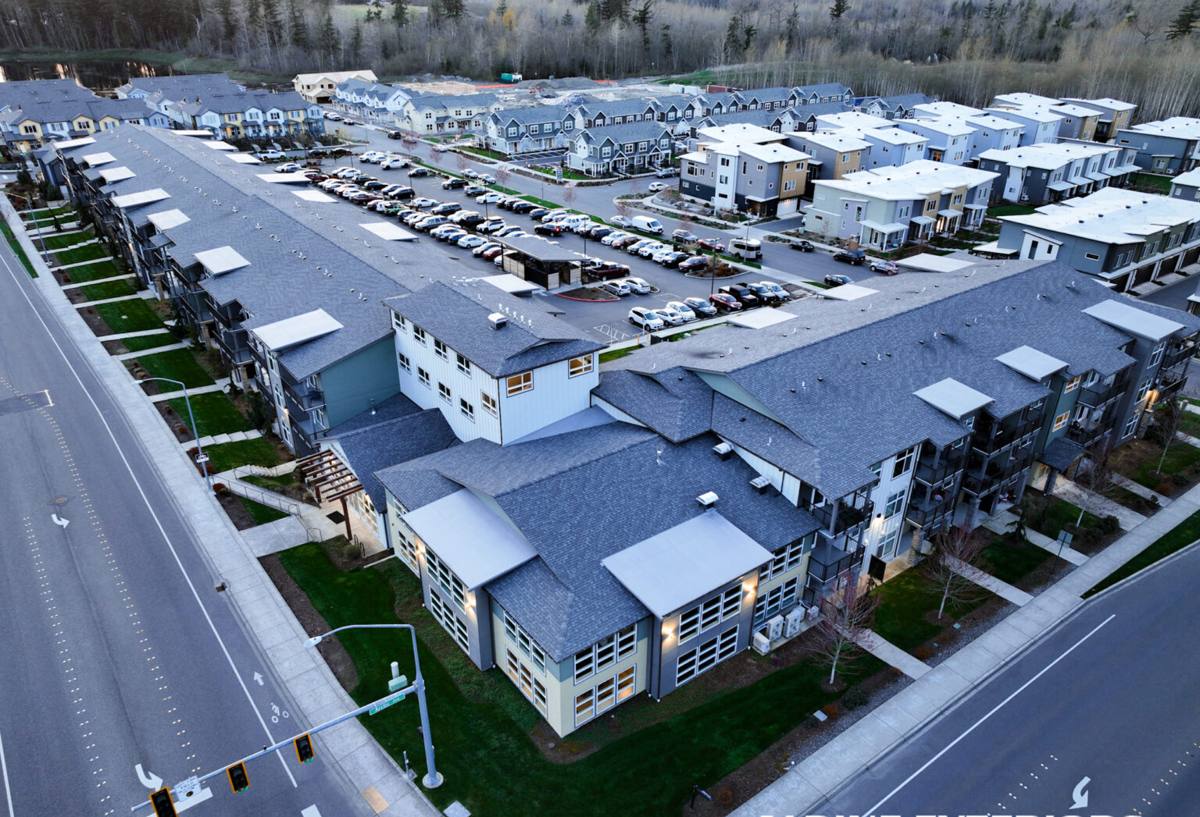
Fiber cement siding is only as good as the installation behind it. In a high-exposure spot like Silver Beach, a handful of details separate a job that lasts decades from one that causes problems in five to eight years:
- Correct clearance between the siding's bottom edge and grade, decks, patios, and roof lines — too tight and moisture wicks straight into the board
- Weather-resistive barrier and flashing integrated correctly at every window, door, and penetration, not just caulked over
- Fasteners driven to manufacturer spec — not overdriven, not underdriven — since fastener failure is one of the most common causes of early siding problems
- Proper joint treatment at butt joints and panel seams so water doesn't track behind the plane of the wall
- Factory-finished color and caulk-matched sealant at cut edges and joints, sealing the fiber cement core from moisture intrusion
- Ventilation behind the siding so any moisture that does get in has a way to dry out instead of sitting trapped
None of this is unique to James Hardie as a brand — but it's exactly why we standardized on one product system rather than juggling several. We know this installation sequence cold, on this specific product, in this specific climate. That consistency is what keeps a crew from missing a step.
Why We Install Only James Hardie
We get asked fairly often why we don't offer vinyl, LP SmartSide, cedar, primed spruce, or other fiber cement brands. The honest answer is that we looked at the trade-offs each of those involves — moisture behavior, long-term maintenance burden, how forgiving (or unforgiving) they are of installation mistakes, and how the manufacturer backs the product over time — and decided we'd rather do one thing at a high standard than several things at an average one.
James Hardie's fiber cement is non-combustible, holds paint and factory finish far longer than wood-based products, and is engineered in regional formulations (the HZ5 and HZ10 product lines) specifically for climate zones like ours — areas with sustained moisture exposure rather than extreme heat or freeze-thaw cycling. That regional engineering, paired with the ColorPlus factory finish process, is a meaningful advantage in a spot like Silver Beach where the finish is doing real work against salt air and shade, not just sitting there looking good.
We're not going to tell you other products are junk — vinyl is cheap and low-maintenance in the right setting, cedar has a look some homeowners love, LP SmartSide has its own fan base. We just don't think any of them hold up to this specific coastal, rainy, mossy exposure as well as correctly installed Hardie does, and we'd rather stand behind one product we know thoroughly than offer several we'd have reservations about.
Choosing the Right Hardie Line for This Exposure
| Hardie Product | Best Fit For | Why It Matters Here |
|---|---|---|
| HardiePlank lap siding (HZ5/HZ10) | Most single-family homes | Standard workhorse; factory ColorPlus finish resists salt-air fading and moisture better than field paint |
| HardiePanel vertical siding | Accent walls, modern facades, gable ends | Fewer horizontal joints for water to find on exposed elevations |
| HardieTrim boards | Corners, window/door trim, fascia | Matches core moisture resistance of the field siding instead of mixing in wood trim that rots first |
| HardieShingle | Accent gables, Craftsman-style detailing | Adds texture without introducing a wood-shingle maintenance cycle |
For most Silver Beach homes, the right call is HardiePlank as the primary field material with HardieTrim at corners and openings, upgrading to HZ10 engineering on the most exposed elevations — typically whichever wall takes the brunt of prevailing wind-driven rain.
What Affects Cost on a Job Like This
| Factor | Why It Moves the Price |
|---|---|
| Existing siding removal | Tear-off of old wood, vinyl, or failed fiber cement adds labor and disposal cost |
| Water-damaged sheathing | Common on shaded, moisture-exposed walls; found once old siding is off, priced as it's discovered |
| Wall complexity | Dormers, multiple gables, and cut-up elevations take longer to flash and trim correctly |
| Trim and accent choices | Vertical panel accents or shingle detailing add material and install time versus straight lap siding |
| Access and site conditions | Slopes, tight lot lines, and limited staging area near the water can affect scaffolding and logistics |
We give a firm, itemized quote after walking the property — not a phone estimate — because on a house with this kind of exposure, what's hiding behind the old siding matters as much as what's going on top of it.
Our Process on Silver Beach Projects
Working a neighborhood repeatedly builds a working knowledge of what that neighborhood throws at a siding job — which elevations catch the worst weather, where moss and shade problems tend to concentrate, and which older homes are more likely to have moisture issues hiding under the existing siding. That's the advantage of hiring a crew that already works this area regularly instead of a company crossing town for a one-off job.
- On-site walkthrough and moisture check of existing siding, trim, and visible sheathing
- Written, itemized estimate covering material, labor, disposal, and any anticipated repair contingencies
- Removal of old siding with immediate inspection of sheathing and framing underneath
- Repair of any damaged sheathing or framing before new siding goes on — never covered over
- Weather barrier and flashing installed at every penetration, window, and door
- James Hardie siding, trim, and accents installed to manufacturer fastening and clearance specs
- Final walkthrough with the homeowner before we consider the job finished
Maintaining Hardie Siding in a Silver Beach Setting
- Rinse siding annually, more often on shaded walls prone to moss and algae buildup
- Keep gutters clear so overflow doesn't run directly down the siding face
- Trim back vegetation that keeps a wall shaded and damp longer than necessary
- Re-caulk high-movement joints (around windows and doors) if you notice cracking, rather than waiting
- Have siding and trim visually inspected every couple of years, especially on the most weather-exposed elevation
- Address any soft spots or staining promptly — small moisture problems are cheap; big ones aren't
None of this is heavy maintenance — that's part of the point of choosing a factory-finished fiber cement product over wood or a product without the same moisture engineering. But "low maintenance" doesn't mean "no maintenance," especially this close to the water.
Why Local Experience Matters More Than a Lower Bid
Fiber cement installation is unforgiving of shortcuts in a way that's easy to miss on the day the job finishes and hard to miss five years later. A crew that already knows this stretch of Bellingham — the exposure patterns, the moisture behavior, which details actually matter for a home a few blocks from the water versus one further inland — is going to make better judgment calls on your house than a crew learning the neighborhood on your dime. That local pattern recognition, combined with installing one product system exclusively, is the whole reason this approach exists.
If you're planning a siding project in Silver Beach, we're glad to walk the property, look at what you're currently dealing with, and put together a straightforward, no-pressure estimate — just fill out the form below.