 Bellingham Siding
 Composite Decking in Sehome: Built for Bellingham's Wet Side of the Year
Sehome sits close enough to the water and to Bellingham's tree canopy that decks here deal with a specific combination of problems: salt-tinged air off Bellingham Bay, long stretches of driving rain from fall through spring, and a moss season that can run half the year in shaded yards. A deck built for a dry-climate spec sheet doesn't hold up the same way here. Composite decking can be an excellent fit for this neighborhood, but only when the substructure, fasteners, and drainage details are chosen with Whatcom County's climate in mind, not just the deck boards themselves.
This page covers what a composite deck actually needs to perform well in Sehome, what a correct installation looks like, and why working with a crew that already builds decks in this specific climate matters more than picking a brand name off a shelf.
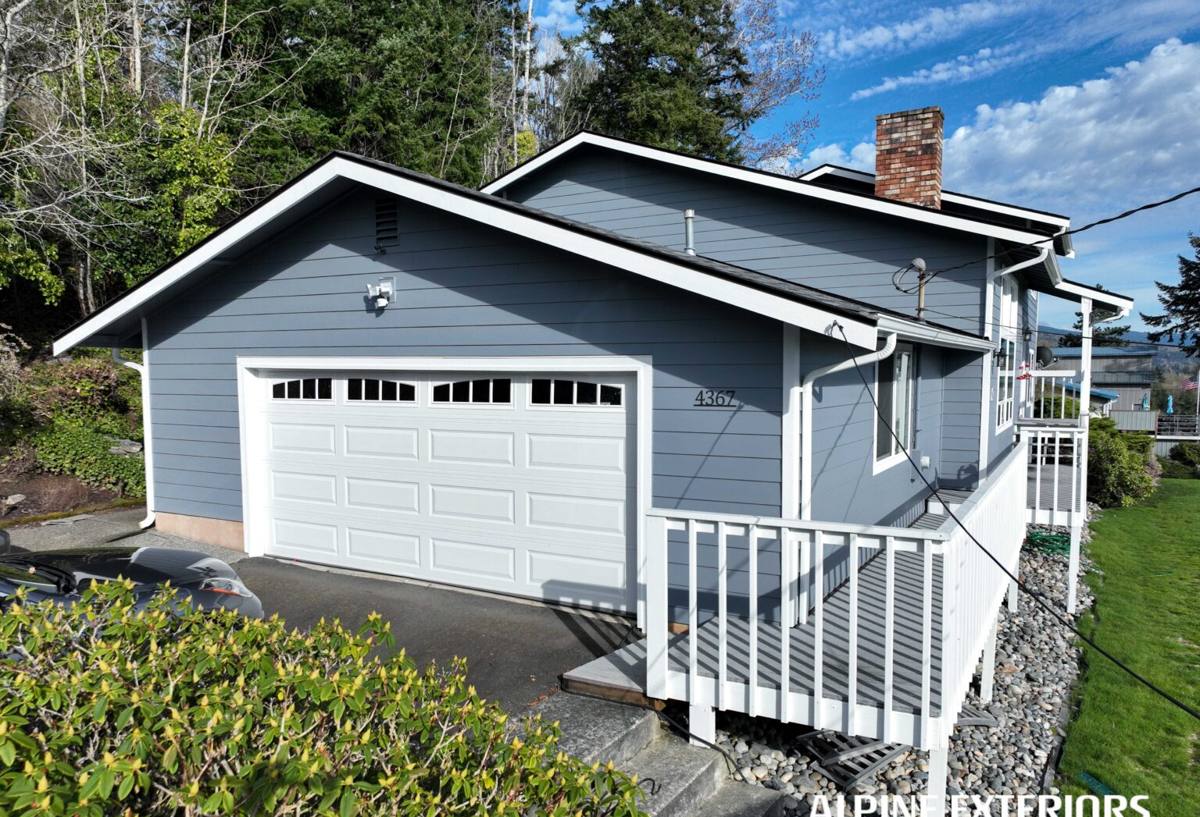
What Sehome's Climate Actually Does to a Deck
Salt Air and Metal Fasteners
Bellingham Bay isn't the open ocean, but homes closer to the water still get enough salt-laden air to accelerate corrosion on unprotected metal. Cheap or mismatched fasteners, brackets, and ledger hardware can start showing rust streaks and weakening well before a homeowner expects. This matters more for composite decking than people assume, because the boards themselves may resist weathering while the hidden hardware holding the structure together quietly degrades underneath.
Driving Rain and Standing Water
Bellingham gets a lot of its annual rainfall as steady, wind-driven weather rather than short downpours. That means water gets pushed sideways into gaps, under boards, and against ledger connections more than it would in a climate with brief, vertical rain. A deck surface that looks fine can still be sitting on a substructure that never fully dries out between storms.
Moss, Algae, and Shade
Sehome's mix of mature trees and close-set lots means a lot of decks sit in partial shade for large parts of the day. Combined with our long wet season, that's exactly the environment moss and algae need. On wood decking this shows up as slick, discolored boards. On composite decking, the boards themselves resist rot, but moss and algae can still grow on the surface film if drainage and airflow underneath aren't handled correctly, and a slick composite surface is a real slip hazard on a rainy Whatcom County morning.
Why Composite Decking Suits Sehome Homes
Composite decking is a reasonable answer to a lot of what this neighborhood's climate throws at a deck, when it's installed correctly:
- No annual sanding, staining, or sealing — a real advantage when wet weather shrinks the window for exterior maintenance to a few dry weekends a year
- Resistance to rot and splintering, which matters when boards stay damp for days at a time during our wet months
- Consistent color and surface over time, without the graying and cupping that untreated or poorly maintained wood shows in this climate
- Better long-term footing than bare wood once algae and moss are factored in, especially with boards that have textured, grip-conscious surfaces
None of that means composite is maintenance-free. It means the maintenance burden shifts from the boards to the details underneath and around them — which is exactly where an installation crew's judgment matters most.
What a Correct Composite Deck Install Involves Here
Ledger Attachment and Flashing
The ledger board connection is the single most common failure point on any deck attached to a house, and it's a bigger deal in a climate this wet. Correct flashing — not just fastening — keeps water from working its way behind the ledger and into the house's wall assembly. This is also where Bellingham's building codes and inspection requirements come into play, and it's not a step that should ever be shortcut to save time.
Footings and Frost Considerations
Whatcom County's frost depth requirements affect how deep footings need to go, and soil conditions vary block to block in Sehome depending on how the lot was graded originally. Footings poured too shallow or without proper drainage around them can shift over a few wet winters, which shows up later as a deck that feels slightly uneven even though the boards themselves are fine.
Joist Spacing and Composite-Specific Framing
Composite boards generally need tighter joist spacing than solid wood decking to avoid flexing or bounce over time, and manufacturers publish specific span tables for their products. Ignoring those specs to save on lumber is a common shortcut that doesn't show up as a problem until the deck has a few years of wet-dry cycling on it.
Drainage and Airflow Underneath
This is the detail that matters most for this specific neighborhood. The space under the deck needs a real path for water to drain and air to circulate, especially on lots with shade and limited sun exposure to dry things out naturally. Skirting, if used, should still allow airflow rather than sealing the underside into a damp, stagnant space that invites moss, mildew, and slower rot in the framing lumber underneath.
Fastener and Hardware Selection
Given the salt air off the bay, hardware should be corrosion-resistant — stainless steel or coated fasteners rated for the exposure, not generic galvanized hardware picked for cost alone. This is a small line-item difference in a bid that has an outsized effect on how the deck holds up fifteen years from now.
Composite vs. Wood Decking for a Sehome Lot
| Factor | Composite Decking | Wood Decking |
|---|---|---|
| Annual maintenance in wet season | Occasional cleaning to prevent surface algae/moss | Regular sealing, staining, and moss treatment |
| Rot resistance in shaded, damp areas | Boards resist rot; framing still needs protection | Susceptible to rot without diligent upkeep |
| Surface footing when wet | Good with textured products; needs airflow underneath to avoid film buildup | Can get slick without regular cleaning/treatment |
| Upfront cost | Higher material cost | Lower material cost |
| Long-term appearance | Stable color, resists graying | Requires refinishing to maintain appearance |
| Repair approach | Board replacement, matched to product line | Sanding, spot repair, or replacement |
Our Process for Sehome Composite Decking Projects
- On-site assessment — we look at sun exposure, drainage slope, existing structure (if replacing an old deck), and how the site handles water during our wetter months
- Design and product selection — matching board spacing, joist framing, and hardware to both the composite product's specs and the site's actual exposure to salt air and shade
- Permitting — pulling the correct permits and meeting Whatcom County and City of Bellingham inspection requirements, particularly around ledger attachment and footings
- Demolition or site prep — removing old decking responsibly if this is a replacement, and correcting any drainage or framing issues found underneath
- Framing and structural work — footings, ledger flashing, and joist layout built to composite-specific spacing, not generic wood-deck spacing
- Decking installation — proper fastening systems, expansion gaps sized for our temperature swings, and attention to airflow underneath the finished deck
- Final walkthrough — checking level, fastener finish, and drainage before we call the job done
What to Check Before Hiring for a Composite Deck in This Area
- Ask whether they've installed composite decking specifically in Bellingham or Whatcom County — general deck experience isn't the same as experience with our rain and drainage demands
- Confirm they pull permits and handle inspections rather than treating that as optional
- Ask what fastener and hardware grade they use, and whether it's rated for coastal/salt-air exposure
- Ask how they handle ledger flashing — a vague answer here is a red flag
- Ask about joist spacing for the specific composite product being quoted, not a generic spacing they use for every job
- Get the manufacturer warranty terms in writing, separate from the contractor's own workmanship warranty
Why a Local Sehome Crew Matters Here
A lot of what separates a composite deck that looks good for two years from one that performs well for two decades comes down to decisions made before a single board is installed — footing depth, ledger flashing, joist spacing, hardware grade, and drainage planning. Those decisions depend on understanding how a specific lot handles Bellingham's rain, shade, and salt air, not just following a generic install manual. A crew that already works in Sehome and the surrounding Bellingham neighborhoods has already seen how local lots drain, where moss tends to build up, and what inspectors here are checking for. That local pattern recognition is worth more than a lower bid from someone unfamiliar with the area.
If you're weighing composite decking for a home in Sehome, we're happy to take a look at your site and talk through what it actually needs — no pressure, no upsell. Use the form below to request a free estimate.