 Bellingham Siding
 Roof Repair for South Hill's Older, Tree-Shaded Homes
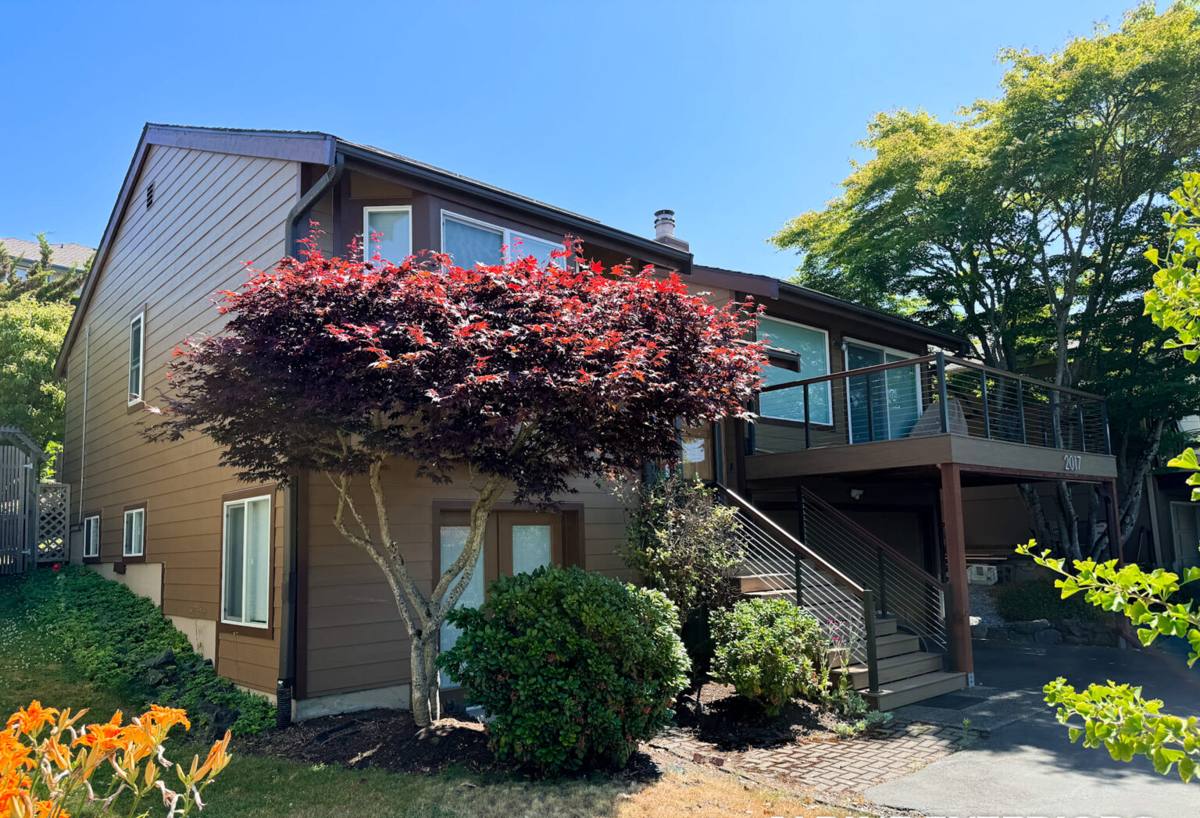
South Hill is one of Bellingham's older residential neighborhoods, and it shows in the roofs. Mature tree canopy, hillside elevation, and a housing stock that spans decades of construction styles mean no two roof repair jobs up here look quite the same. A roof that's shaded most of the day behaves differently than one exposed to wind off the bay, and a 1920s roofline with add-on additions often has more transition points — and more places for water to find a way in — than a newer build.
We repair roofs in South Hill regularly enough to know the patterns: where moss builds up fastest, which roof styles tend to hide moisture longest, and what a "quick patch" from a few years back usually looks like once we get up there and pull back the surrounding material. This page covers what South Hill homes actually need from a roof repair, what we check before we ever touch a shingle, and how to tell a real fix from a temporary one.
Why South Hill Roofs Wear Differently
Whatcom County's climate is hard on every roof, but a few local conditions hit South Hill in particular ways.
Salt Air and Driving Rain
Proximity to Bellingham Bay means airborne salt settles on exposed surfaces over time, which accelerates corrosion on exposed fasteners, flashing, and metal roof edges. Combine that with wind-driven rain — rain that doesn't just fall straight down but gets pushed sideways into laps, seams, and valleys — and you get water intrusion in places a dry-climate roof would never see a problem. Flashing and underlayment quality matter more here than in most parts of the country.
A Long Moss Season
Bellingham's wet season runs long, and shaded, north-facing roof slopes in South Hill's tree-heavy blocks can stay damp for weeks at a stretch. That's exactly the environment moss and lichen need to establish. Once moss takes hold, it holds moisture against the roofing material, lifts shingle edges, and works its way under laps — turning a cosmetic issue into a structural one if it's left alone.
Mature Trees and Debris Load
Tree cover is part of what makes South Hill attractive, but it also means more organic debris on roofs — needles, leaves, and branch litter that collect in valleys and behind chimneys, holding water and feeding moss growth. Gutters clog faster here too, which backs water up under the roof edge.
Older Roof Structures
A good share of South Hill's homes predate current ventilation and underlayment standards. Original roof decking, minimal soffit venting, and additions tied into the main roofline at odd angles all create more opportunities for a leak to start small and travel before anyone notices it from inside.
Common Roof Problems We Find in South Hill
- Moss and lichen colonization on shaded slopes, especially north- and east-facing roof planes under tree cover
- Valley and flashing failures where two roof planes meet, or where a roof meets a chimney, dormer, or wall — the most common source of an interior leak
- Lifted or cracked shingles from years of wind-driven rain working under the tab edge
- Clogged or undersized gutters backing water up under the drip edge during heavy rain events
- Deteriorated pipe boots and vent flashing, which are rubber or plastic components that break down with age and UV exposure faster than the roofing material around them
- Poor attic ventilation trapping moisture that condenses on the underside of the roof deck, which can look like a leak but isn't
- Aging cedar shake or older composition roofs nearing the end of their service life, where repair is still viable but the window for cost-effective patching is closing
What a Correct Roof Repair Actually Involves
A roof repair done right isn't just replacing what's visibly damaged. Water rarely stays where it enters — it travels along the roof deck or down a rafter before showing up as a stain on a ceiling, sometimes feet away from the actual source. That's why we treat every repair as a diagnostic job first.
Finding the Real Source
We trace the leak back to its actual entry point rather than patching where the damage is visible. This often means pulling back shingles or roofing material around the suspected area, checking the underlayment condition, and inspecting flashing at every transition nearby.
Matching Materials and Method
A repair should match the existing roofing system in material, weight, and installation method — mismatched shingles or improperly lapped flashing can create a new failure point even while fixing the old one. On older roofs, this sometimes means sourcing a close match rather than an exact one, and we'll always tell you honestly when that's the case.
Rebuilding Flashing Properly
Flashing failure is the single most common cause of roof leaks we see in this area, and it's also the most commonly rushed repair. Proper flashing work means correct laps, appropriate sealant use (as a backup, not a substitute for correct installation), and integration with the underlayment — not just a bead of caulk over the old metal.
Checking What's Around the Repair
We check the surrounding roofing material, decking condition, and ventilation while we're up there. If there's a secondary issue developing nearby, we'll flag it — even if it's not part of the original repair request.
Our Roof Repair Process
- Inspection: We assess the full roof, not just the reported problem area, including attic access where possible to check for moisture staining or deck damage.
- Honest assessment: We explain what we found, what's causing it, and whether repair is the right call versus a section replacement. We'll say so plainly if a full roof replacement makes more sense than continued patching.
- Written estimate: A clear scope of work and price before anything starts — no surprise add-ons mid-job.
- The repair: Removal of damaged material, deck inspection and repair if needed, correct flashing and underlayment work, and material matched to your existing roof.
- Cleanup: Debris and old material removed from the property, gutters cleared if they were part of the problem.
- Follow-up: We stand behind the work and want to hear from you if anything looks off after the next heavy rain.
Repair or Replace? What Actually Drives the Decision
Not every roof problem in South Hill needs a full replacement, but not every leak should be treated as a simple patch either. Here's how we think through it.
| Factor | Favors Repair | Favors Replacement |
|---|---|---|
| Roof age | Under 15-20 years, within expected material lifespan | Near or past manufacturer's expected service life |
| Extent of damage | Localized to one section, valley, or flashing point | Multiple areas failing, or widespread moss/moisture damage |
| Deck condition | Solid decking, no soft spots found | Soft, delaminated, or water-damaged decking underneath |
| Material availability | Reasonable match to existing shingle or shake available | Material discontinued or badly weathered mismatch expected |
| Repair history | First or second repair on this roof | Recurring leaks in the same or nearby areas over time |
We'll walk you through where your roof falls on this table honestly. If repair is the right call, that's what we'll recommend — a bigger job isn't automatically the better one for your situation or your budget.
Managing Moss and Debris Between Repairs
Given how long South Hill's wet season runs, a repair holds up better with some ongoing maintenance. A few habits go a long way toward protecting the work:
- Keep gutters and downspouts clear of leaves and needles, especially into fall and winter
- Have moss treated or removed before it spreads across a full slope, not after
- Trim back overhanging branches where practical to reduce shade and debris load on the roof
- Watch for granule buildup in gutters, which can signal accelerated shingle wear
- Schedule a roof check after any major windstorm, even if nothing looks obviously wrong from the ground
Why Hire a Crew That Already Works South Hill
A roof repair on a hillside, tree-shaded, older-construction neighborhood like South Hill calls for judgment that comes from experience with exactly this kind of housing stock. We know how to work safely on steeper hillside lots, how South Hill's older roof framing tends to be built, and what moisture patterns to expect from a roof that's been under tree cover for decades. That experience shows up in faster, more accurate diagnosis — which means less guesswork and less of your roof opened up unnecessarily to find the problem.
We're a Bellingham-based crew serving Whatcom County, and we treat every South Hill repair as a job we'd be comfortable standing behind for years, not just until the next inspection.
Get a Free, No-Pressure Estimate
If you've noticed a stain on a ceiling, moss creeping across a roof slope, or you just want a second opinion on a repair someone else quoted, we're happy to take a look. Fill out the form below for a free estimate — no obligation, just an honest read on what your roof actually needs.