 Bellingham Siding
 Board & Batten in Puget: A Style That Has to Earn Its Keep
Board and batten has a distinct, clean-lined look that a lot of homeowners in the Puget area want — vertical panels with narrow strips covering the seams, giving a home a modern-farmhouse or craftsman feel depending on the trim and color. But on this side of Bellingham Bay, that look has to hold up to more than curb appeal. Salt-laden air off the water, wind-driven rain that comes in sideways during fall and winter storms, and a moss season that seems to stretch longer every year all put real stress on vertical siding. We install board and batten here because we've seen what happens when it's done right versus done as an afterthought, and the difference shows up in five to ten years, not on installation day.
This page is about that one service, in this one part of Whatcom County. If you're comparing bids for board and batten on a Puget-area home, the details below are the ones that actually matter for how the siding performs, not just how it looks in the first year.
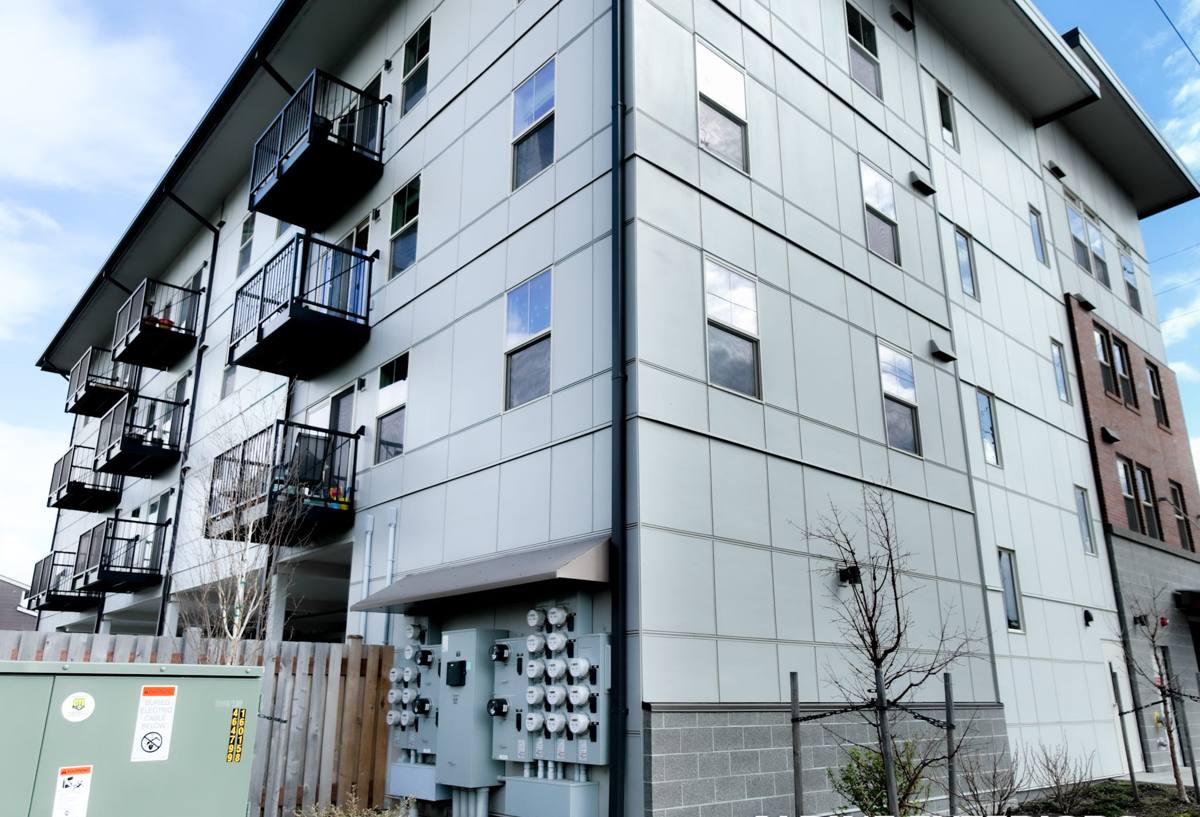
What Puget's Climate Actually Does to Vertical Siding
Salt Air and Corrosion
Homes closer to the water pick up airborne salt that settles on siding, trim, and especially on fasteners. Over time, salt exposure accelerates corrosion on anything that isn't rated for it — cheap nails, unprotected metal flashing, and staples used instead of proper fasteners. Board and batten has more vertical seams and more fastener points than lap siding of the same wall area, so getting the fastener spec right matters more here, not less.
Driving Rain
Puget's exposure to weather rolling in off the Sound means rain doesn't just fall straight down — it gets pushed sideways into wall assemblies during storms. Vertical board and batten channels water differently than horizontal lap siding. Done correctly, the battens and panel joints shed that water outward. Done poorly, those same joints become the exact places water tracks behind the siding and into the wall assembly.
Moss and Sustained Moisture
Wooded and partially shaded lots, which are common around Puget, hold moisture longer after a storm than open, sun-exposed sites. That extended damp period is exactly what moss and algae need to take hold on siding, trim, and especially in the shadow lines under battens where sun and airflow don't reach as easily. Siding material and installation detail both affect how much of that moss growth ends up as a maintenance chore versus a structural problem.
Why We Only Install James Hardie for This Profile
Board and batten can be built out of several different materials, but not all of them handle Puget's combination of salt, sustained rain, and shade equally well. We standardized on James Hardie fiber cement for every siding job we do, board and batten included, for reasons that matter more here than in a drier climate:
- Non-combustible core — fiber cement doesn't feed a fire the way wood-based products can, which matters for insurance and for peace of mind.
- Dimensional stability — Hardie panels don't swell, cup, or warp with repeated wet-dry cycles the way wood or wood-composite battens can, which keeps seams tight over time.
- Factory-applied ColorPlus finish — a baked-on finish that resists fading and moisture intrusion at the surface far better than field-applied paint on wood battens, which need repainting on a much shorter cycle.
- HZ5 engineering — Hardie's HZ5 product line is built for the wetter, harsher climate zones the Pacific Northwest falls into, rather than a one-size-fits-all national spec.
- Transferable warranty — a real, documented warranty rather than a verbal promise, which matters if you sell the house before the siding does.
We don't install vinyl, LP SmartSide, cedar, or primed spruce board and batten. Some of those products have real strengths — cedar looks beautiful when it's new, vinyl is inexpensive — but none of them hold up to salt air, driving rain, and long moss seasons the way fiber cement does when it's detailed correctly. That trade-off is the reason we standardized on one product rather than offering several.
What a Correct Board & Batten Installation Involves
Moisture Management Comes Before Aesthetics
The visible battens and reveal lines are what a homeowner sees, but the work that actually determines how long the siding lasts happens underneath: weather-resistant barrier, properly lapped and sealed flashing at every window, door, and horizontal transition, and a rainscreen gap where the wall assembly calls for it. On a house exposed to driving rain off the water, skipping or shortcutting this layer is the single most common cause of siding failure we see — and it's invisible until there's a problem behind the wall.
Fastener and Panel Spec
Board and batten needs corrosion-resistant fasteners driven to the manufacturer's spacing and depth spec — not just "close enough." Over-driven or under-driven fasteners create weak points that show up as cracking or popping years later, and in a salt-air environment, the wrong fastener metal starts corroding well before the siding itself would have failed on its own.
Ground Clearance and Bottom Edge Detail
The bottom edge of board and batten sits closer to grade, deck ledgers, and porch roofs than people expect, and that's exactly where sustained moisture and moss like to start. Proper clearance from grade, hardscape, and roof lines — plus correctly flashed transitions at those points — keeps the bottom courses from being the first thing that fails.
Batten Spacing and Panel Joints
Batten spacing isn't just a design choice — it affects how water sheds off the wall and how much shadow and trapped moisture builds up between battens. Panel joints need to be backed and sealed per spec, not just butted together and caulked over, or you end up with hairline gaps that widen with seasonal movement.
Board & Batten vs. Other Siding Approaches for This Climate
| Factor | Board & Batten (Hardie) | Lap Siding (Hardie) | Board & Batten (Wood/Composite) |
|---|---|---|---|
| Moisture behavior in driving rain | Strong when detailed correctly | Strong, simpler water-shedding path | Depends heavily on paint maintenance |
| Salt air / fastener corrosion risk | Low with correct fastener spec | Low with correct fastener spec | Higher — more exposed fastener points |
| Moss/algae resistance in shaded lots | Good; factory finish resists growth | Good | Lower; organic material feeds growth |
| Repainting cycle | None needed (ColorPlus) | None needed (ColorPlus) | Every 3-7 years typically |
| Relative visual style | Vertical, modern-farmhouse look | Traditional horizontal look | Vertical, rustic/natural look |
The table isn't meant to talk anyone out of the look they want — board and batten in fiber cement gives you the same vertical lines and shadow reveal as wood, without taking on wood's maintenance cycle in a climate that isn't kind to painted surfaces.
How We Approach a Puget Board & Batten Project
- On-site assessment — we look at your home's specific exposure: how close to the water, how much shade, what the current wall assembly and moisture barrier look like underneath the existing siding.
- Detailing plan — flashing, rainscreen, fastener spec, and batten layout are worked out before material orders go in, not improvised on-site.
- Tear-off and inspection — removing the old siding is also when we find out if there's hidden rot or moisture damage that needs to be addressed before new siding goes up.
- Weather barrier and flashing installation — the part that doesn't show but determines the outcome.
- Panel and batten installation — installed to Hardie's published fastening and spacing specs for the HZ5 zone.
- Final walkthrough — we go over the finished work with you, including what maintenance (if any) to expect.
Checklist: What to Ask Any Contractor Before Board & Batten Work
- Are you installing to the manufacturer's HZ5 spec for this climate zone, or a generic national spec?
- What weather-resistant barrier and rainscreen approach will be used behind the panels?
- What fastener type and spacing will be used, and are they corrosion-rated for a marine/salt-air environment?
- How will bottom-edge clearance from grade, decks, and roof lines be handled?
- Is the warranty transferable, and is it backed by the manufacturer or just the installer?
- Will you show me the flashing and barrier work before it's covered up?
Why a Crew That Already Works in Puget Matters
Whatcom County covers a lot of different microclimates — a home a mile inland can dry out faster after a storm than one closer to the water with more shade and wind exposure. A crew that's worked houses in and around Puget already knows which details to pay extra attention to on a given lot: whether the moss risk is high enough to plan differently for batten spacing and shade exposure, whether the salt exposure calls for upgraded fasteners, and how the local Bellingham permitting and inspection process runs. That local pattern-recognition is the difference between a spec sheet followed generically and one applied to the house actually standing on that lot.
Maintenance and What to Expect After Installation
One of the practical advantages of Hardie board and batten in this climate is how little ongoing maintenance it asks for compared to wood alternatives. There's no repainting cycle to plan around. What we do recommend: an annual visual check for any moss or algae buildup in shaded areas (a simple rinse handles most of it before it becomes embedded), keeping gutters and downspouts clear so water isn't dumping onto the wall in concentrated spots, and keeping an eye on caulking at trim transitions over the years, since caulk is the one component in the whole system that does eventually need touch-up.
If you're weighing board and batten for a home in the Puget area, we're happy to walk the property, look at what's there now, and talk through what correct detailing looks like for your specific lot and exposure. Reach out for a free, no-pressure estimate using the form below.