 Bellingham Siding
 New Roof Installation for Lynden Homes
Lynden sits out in the Whatcom County countryside, far enough from Bellingham Bay that people sometimes assume the weather is gentler here. It isn't, not for a roof. You still get the marine air pushing in off the Salish Sea, long stretches of steady rain through fall and winter, wind that comes across open farmland with nothing to slow it down, and a moss season that runs longer than most homeowners realize. A roof that's installed correctly for this area needs to handle all of that at once, year after year, not just look good going on.
We install full roof replacements for homes throughout Lynden and the surrounding Whatcom County area. This page is specifically about new roof installation — tearing off a roof that's reached the end of its life and putting on a new system built for how this region actually behaves, not a generic install done the same way it would be in a dry climate.
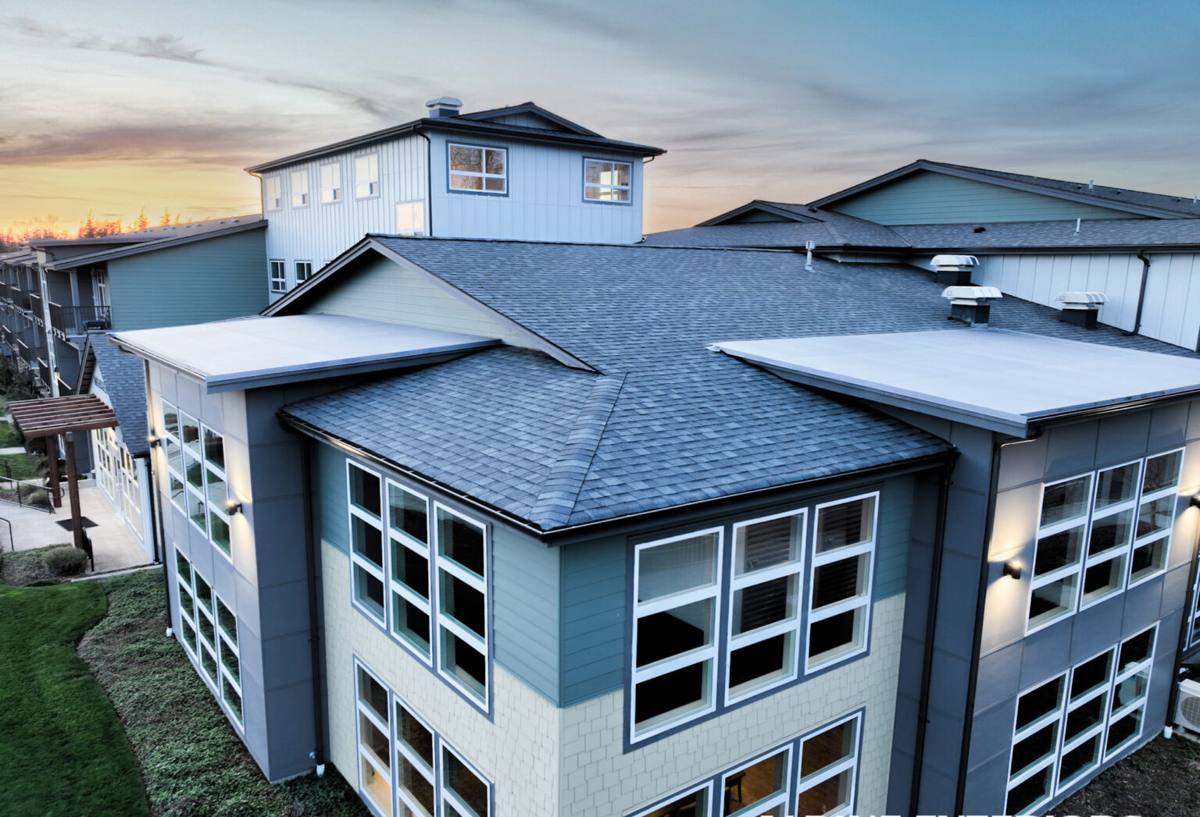
Why Lynden's Climate Is Hard on Roofs
A few local conditions matter more here than in a lot of places, and they should shape how a roof gets built, not just what shingle color gets picked.
Salt Air and Moisture
Even away from the immediate waterfront, the Puget Sound region carries a steady load of moisture and salt-tinged air inland. Over years, that moisture works into fasteners, flashing, and any gaps in the roofing system. Metal components that aren't rated for coastal-adjacent exposure corrode faster than homeowners expect, and small leaks that would take a decade to matter in a dry climate can show up in half that time here.
Driving Rain
Whatcom County doesn't just get a lot of rain — a good share of it comes in sideways during winter storms. Driving rain finds every weak point in flashing, valleys, and roof-to-wall transitions. A roof that only handles rain falling straight down isn't built for this area; the details around penetrations, valleys, and edges have to assume wind-driven water at some point every winter.
Extended Moss Season
Cool, damp, and shaded conditions for much of the year make Lynden roofs prone to moss and algae growth for a longer stretch than sunnier parts of the state. Moss isn't just cosmetic. It holds moisture against the roofing material, lifts shingle edges as it grows, and slowly breaks down the surface underneath it. A roof installed without moss resistance in mind will need more aggressive maintenance, and possibly earlier replacement, than one built with it in mind from the start.
Signs a Roof Needs Full Replacement, Not Another Repair
Not every roof problem calls for a full tear-off. But there's a point where patching stops making financial sense and starts just delaying the inevitable while water damage accumulates underneath. Common signs it's time to talk replacement rather than repair:
- Shingles are curling, cupping, or losing granules across large sections, not just one spot
- You've had two or more roof leaks in different areas within the past year or two
- Moss has been growing under the shingle edges for multiple seasons, not just on the surface
- The roof is at or past its expected material lifespan and repairs are becoming frequent
- Decking feels soft or spongy when walked, indicating moisture has already reached the wood
- Flashing around chimneys, vents, or valleys is rusted, cracked, or was never properly integrated
- Energy bills have crept up with no other explanation, which can point to failing attic ventilation tied to the roof system
If a roof is only showing isolated, minor issues, we'll say so. A new roof is a significant investment, and we'd rather tell a Lynden homeowner their roof has a few good years left than push a replacement that isn't needed yet.
Roofing Materials We Install
Material choice matters more in a climate like this than in most. The table below is a general comparison of the common options for Whatcom County homes, not a ranking of "best to worst" — the right choice depends on the home, the roof's slope and complexity, and the budget.
| Material | Moss/Moisture Resistance | Typical Lifespan | Maintenance |
|---|---|---|---|
| Architectural asphalt shingles | Good with proper ventilation and zinc/copper strips | 25–30 years | Periodic moss treatment recommended |
| Metal (standing seam) | Excellent — sheds moisture and resists moss growth | 40–50+ years | Low, occasional inspection |
| Synthetic/composite shingles | Very good, engineered for wet climates | 30–40 years | Low to moderate |
| Wood shake | Poor without diligent upkeep — moisture-sensitive | 20–30 years with heavy maintenance | High — frequent treatment needed |
For most Lynden homes, we lean toward architectural asphalt or metal roofing because both hold up well against sustained moisture and long moss seasons when installed with the right ventilation and edge details. We generally steer clients away from wood shake in this climate as a professional standard — not because it's a bad product everywhere, but because the maintenance burden and moisture sensitivity don't line up well with how much rain and shade this area gets. If a homeowner still wants it, we'll talk through what upkeep it actually requires before moving forward.
What a Correct Roof Installation Actually Involves
A new roof is more than shingles nailed to plywood. The parts underneath and around the visible surface are what determine whether the roof performs for its full expected lifespan in this climate. A properly done installation includes:
- Full tear-off down to the decking, not a layover on top of old material
- Decking inspection and repair, replacing any wood that's soft, delaminated, or water-damaged
- Ice and water shield at eaves, valleys, and other vulnerable areas where driving rain and moss-related moisture cause the most problems
- Synthetic underlayment across the full roof as a secondary moisture barrier
- Proper flashing at every chimney, vent, skylight, and wall transition, sized and installed for wind-driven rain
- Balanced attic ventilation (intake and exhaust) to control moisture buildup, which also helps slow moss regrowth
- Moss-resistant strip installation (zinc or copper) where appropriate for the material and roof design
- Manufacturer-spec fastening to hold up against sustained coastal wind exposure
Skip any one of these and the roof may still look fine going on, but it's the parts you can't see afterward — the underlayment, the flashing details, the ventilation — that decide whether it's still watertight in ten or twenty years.
Our Process, Start to Finish
1. On-Site Assessment
We walk the roof, check the decking where accessible, look at attic ventilation, and talk through what we're seeing with the homeowner directly. No pressure, no scare tactics — just an honest read on the roof's actual condition.
2. Written Estimate and Material Walkthrough
We put together a clear, itemized estimate and walk through material options given the home's roof design, budget, and how long the homeowner plans to stay in the house.
3. Scheduling and Prep
We schedule around Whatcom County's weather windows where possible, and protect landscaping, siding, and gutters before work begins.
4. Tear-Off and Decking Check
Old roofing comes off completely, and decking gets inspected and repaired before anything new goes down.
5. Installation
Underlayment, flashing, ventilation components, and the new roofing material go on in that order, following manufacturer specifications for both the product warranty and this climate's demands.
6. Final Walkthrough and Cleanup
We do a full site cleanup, including a magnetic sweep for stray fasteners, and walk the finished roof with the homeowner before calling the job done.
What Affects the Cost of a New Roof
Every roof is different, so we won't quote a number without seeing the job. But these are the main factors that move the price up or down on most Lynden projects:
| Factor | Why It Matters |
|---|---|
| Roof size and pitch | More square footage and steeper slopes mean more material and labor time |
| Material choice | Asphalt, metal, and synthetic materials carry different upfront costs and lifespans |
| Decking condition | Rot or water damage found during tear-off adds repair work before roofing can begin |
| Roof complexity | Valleys, dormers, skylights, and multiple penetrations all add flashing work |
| Ventilation upgrades | Older homes often need intake or exhaust vents added or corrected |
| Accessibility | Steep or hard-to-reach roofs require more safety equipment and time |
We'd rather walk a Lynden homeowner through these factors in person, on their actual roof, than throw out a broad range that doesn't mean much until we've seen the specifics.
Why Local Experience with Lynden Roofs Matters
A crew that regularly works Whatcom County roofs already knows how this climate behaves — where moss tends to build up first, how much wind-driven rain a valley needs to handle, and which ventilation setups actually hold up through a wet Pacific Northwest winter instead of just looking correct on installation day. That's not something you get from a crew that mostly works drier inland climates and treats every job the same way.
We also handle the practical side of a Lynden reroof: pulling the right permits, following local building code requirements, and coordinating with manufacturer requirements so the roof's warranty stays valid. None of that is exciting, but skipping it is how homeowners end up with coverage gaps they don't discover until they need them.
Get a Free Estimate
If your roof is showing its age, or you just want an honest read on how much life it has left, we're glad to come take a look. The estimate is free, there's no pressure to move forward, and you'll get a straight answer about what your roof actually needs.