 Bellingham Siding
 Storm Damage Roof Repair Built for Happy Valley
Happy Valley sits close enough to Bellingham Bay and the surrounding hills that its roofs take a specific kind of beating: salt-laden air off the water, driving rain that comes in sideways during winter fronts, and a moss season that seems to start earlier and last longer every year. When a windstorm rips through, or a heavy rain event finds a weak spot, the damage isn't always obvious from the driveway. We repair storm-damaged roofs for homes in this neighborhood on a regular basis, and we've learned that a rushed or generic repair almost always costs the homeowner more in the long run than doing it right the first time.
This page covers what storm damage actually looks like on a Happy Valley roof, what a correct repair involves, and how our process works from the first call to the final cleanup.
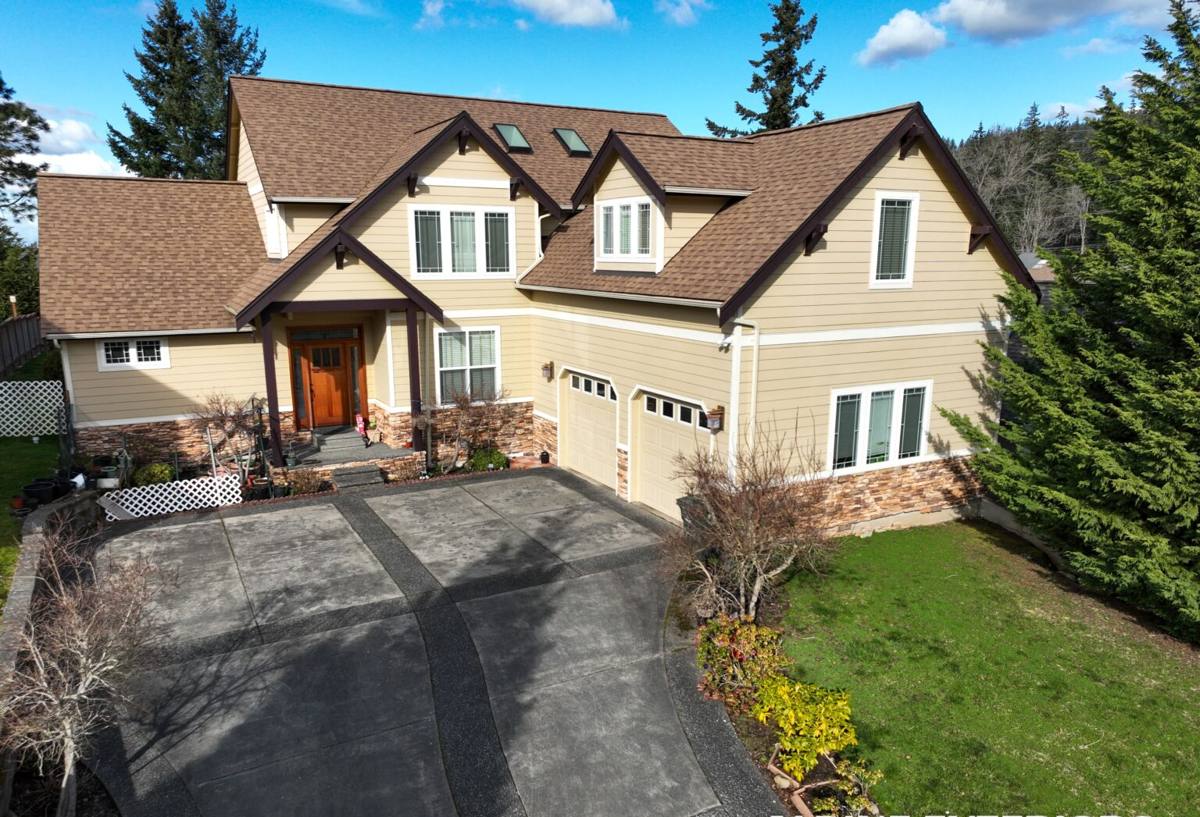
What Whatcom County Weather Does to a Roof
Storm damage doesn't happen in isolation. It happens to a roof that's already been softened up by the everyday climate here, which makes the damage worse than it would be in a drier, calmer region.
Salt Air and Metal Fatigue
Homes closer to the bay deal with airborne salt that accelerates corrosion on exposed metal — flashing, fasteners, vent caps, and gutter hardware. Corroded metal doesn't fail gracefully; it fails suddenly, often right when a storm puts extra load or wind-driven water against it.
Driving Rain and Wind-Driven Water
Bellingham's storms rarely come straight down. Wind pushes rain sideways and up under shingle edges, ridge caps, and flashing laps that were never designed to shed water moving in that direction. A roof that's watertight in a normal rain can still leak in a wind-driven one if the underlayment and flashing details aren't right.
Moss and Trapped Moisture
Whatcom County's long, damp shoulder seasons give moss plenty of time to establish itself on north-facing slopes and shaded valleys like this one. Moss holds moisture against the roof surface, degrades shingle granules, and can lift shingle edges just enough for wind and rain to get underneath during a storm. A roof with an existing moss problem is more vulnerable to storm damage than a clean one, even if the moss itself never gets mentioned in the insurance report.
Recognizing Storm Damage on a Happy Valley Roof
Some storm damage is obvious — a missing shingle, a tree limb through the decking, a soffit torn loose. Most of it isn't. The damage that causes the biggest problems is usually the kind that's invisible from the ground and only shows up as a leak weeks or months later.
- Granule buildup in gutters or at downspout outlets after a windy rain
- Shingles that look "lifted" or slightly out of line along a slope
- Soft spots or discoloration on interior ceilings after a storm
- Bent, creased, or missing flashing around chimneys, skylights, and roof-wall intersections
- Dented or dislodged vent caps and ridge components
- New moss growth concentrated where shingle edges were disturbed
- Debris, branch strikes, or scuffed shingle surfaces from wind-blown material
- Gutters pulled away from the fascia or sagging under debris weight
If you notice any of these after a storm, it's worth having someone look before the next round of rain finds the opening.
What a Correct Storm Damage Repair Involves
A storm repair is not just "replace what's missing." Done right, it's a diagnostic process followed by a repair that accounts for how the storm damage interacts with the rest of the roof system.
Full-Slope Inspection, Not Just the Obvious Spot
Wind and hail damage rarely stay confined to one shingle. We check the entire affected slope, the ridge, the valleys, and all penetrations — not just the spot the homeowner noticed — because storms create secondary damage that's easy to miss on a quick look.
Decking Assessment
If water got underneath the roofing material, the decking underneath may be softened or delaminating. Covering wet or damaged decking with new shingles just traps the problem. Any compromised sections need to be identified and replaced before new material goes down.
Underlayment and Flashing
Given how much wind-driven rain this area sees, we pay close attention to underlayment laps and flashing details — chimney flashing, valley metal, wall step-flashing, and pipe boots. These are the components most likely to fail in a storm and most likely to cause a repeat leak if they're patched instead of properly reinstalled.
Matching Materials
When only part of a roof is damaged, we try to match the existing shingle style and color as closely as the current product line allows, so the repair blends in rather than standing out as an obvious patch. Where an exact match isn't available, we'll tell you honestly instead of pretending otherwise.
Repair vs. Replace: What Actually Drives the Decision
Not every storm-damaged roof needs a full replacement, and not every roof can be safely patched. The right call depends on a handful of factors we walk through with every homeowner.
| Factor | Favors Repair | Favors Replacement |
|---|---|---|
| Age of existing roof | Roof is under 10-12 years old | Roof is near or past its expected lifespan |
| Extent of damage | Damage is localized to one area or slope | Damage is spread across multiple slopes |
| Decking condition | Decking is dry and sound | Widespread rot or soft decking found |
| Material availability | Matching shingles are still in production | Discontinued product, poor color/style match |
| Underlying moss/moisture history | Minimal prior moss or trapped moisture | Chronic moss problem has degraded the field |
We'll give you our honest read on where your roof falls on this table before we recommend either option — not the option that happens to be more profitable for us that week.
Our Process, Start to Finish
- Inspection and documentation. We assess the full roof, photograph the damage, and explain what we find in plain terms.
- Written scope and estimate. You get a clear breakdown of what needs to be done and why, not just a lump-sum number.
- Temporary protection if needed. If a roof is actively leaking, we can tarp or cover exposed areas to stop further water intrusion while repairs are scheduled.
- Repair or replacement work. Decking, underlayment, flashing, and roofing material are addressed in that order — never skipped to save time.
- Cleanup and walkthrough. Job site is cleared of debris and old material, and we walk the finished work with you before we consider the job done.
Storm Damage and Insurance Claims
Many storm repairs in this area involve a homeowner's insurance policy. We're not an insurance company and won't promise a specific claim outcome, but we can provide the kind of clear, honest documentation — photos, scope of damage, and a written estimate — that makes the claims process easier to navigate. If your insurer's adjuster has a different assessment than ours, we're glad to walk the roof with them directly and explain what we're seeing.
Why a Crew That Already Works Happy Valley Matters
Storm repair work goes faster and holds up better when the crew already understands the local conditions instead of treating every job as a blank slate. Knowing which slopes in this neighborhood tend to hold moss longest, how the local wind patterns tend to drive rain, and which flashing details actually hold up against salt air over time all shape the decisions made on your roof. It also means we're not learning Bellingham's building requirements on your project — we already know them.
Being local also means we're reachable after the job is done. If something doesn't look or perform the way it should once the next storm rolls through, we're not a crew that drove in from three counties away and disappeared.
What to Ask Before You Hire Anyone for Storm Repair
Storms bring out traveling crews looking for quick work, and not all of them will still be around if a problem shows up later. A few questions are worth asking any contractor before you sign anything:
- Are you licensed and insured to work in Washington State, and can you show proof?
- Will you provide a written scope of work, not just a verbal estimate?
- Will you inspect the full roof, or just the spot I pointed out?
- What happens if you find damaged decking once the shingles come off?
- Do you have a physical, local presence I can follow up with later?
A reputable local contractor won't hesitate to answer any of these directly.
Get a Straight Answer About Your Roof
If your Happy Valley home has been through a recent storm, or you've noticed something that doesn't look quite right up there, it's worth getting a second set of eyes on it before the next system rolls in off the water. We offer free, no-pressure estimates and honest assessments — use the form below to get started.