 Bellingham Siding
 Fiber Cement Siding Built for Puget's Marine Climate
Puget sits close enough to the water that homes here take a different kind of weather beating than siding twenty miles inland. Salt-laden air moves through the neighborhood on a regular basis, driving rain comes in sideways during winter storms off the Sound, and the shaded, moisture-heavy stretches of the year give moss and algae months to get a foothold on anything that stays damp. Siding that works fine in a drier part of Whatcom County can struggle here. We install James Hardie fiber cement siding in Puget because it's the one product system we've found that consistently holds up to this specific combination of conditions without turning into an annual maintenance project.
This page is about that one job — fiber cement siding installation in Puget — not a general overview of siding options. If you live in this area and you're looking at your siding wondering whether it's going to make it through another wet season, this is written for you.
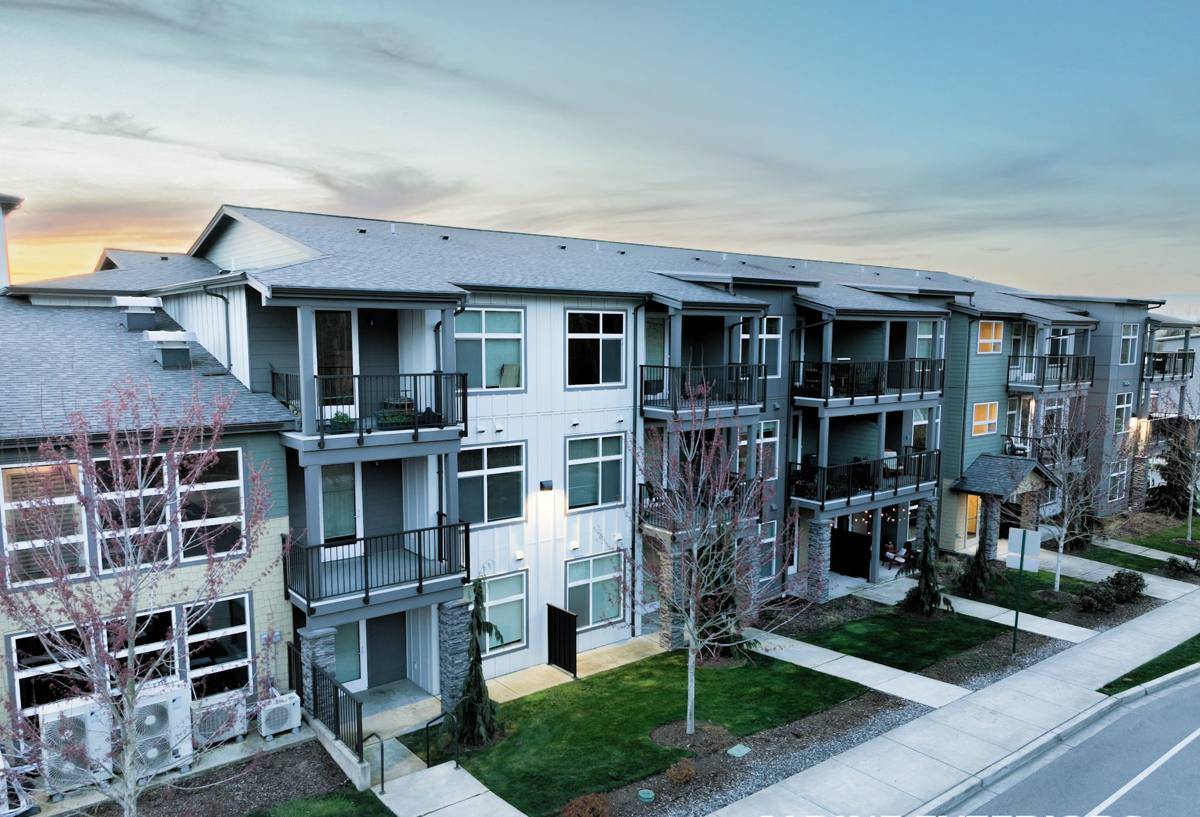
What Salt Air, Rain, and Moss Actually Do to a House
It helps to understand the mechanism, not just the symptom, because it changes how you evaluate a siding job.
Salt air
Airborne salt is corrosive to exposed metal fasteners, flashing, and trim, and it accelerates the breakdown of paint films on wood and engineered wood products. Over years, a home closer to the water sees faster fade, chalking, and edge deterioration on materials that aren't built to resist it.
Driving rain
Bellingham's storms don't just fall straight down — wind pushes rain horizontally into wall assemblies, which puts real stress on every seam, joint, and penetration in the siding system. A house can look fine from the street and still be taking on moisture behind the cladding if the water-resistive barrier, flashing, and caulking details weren't done correctly the first time.
Moss and algae season
North-facing walls, areas under tree cover, and anything shaded for large parts of the day stay damp longer here than in most parts of the country. That extended damp period is exactly what moss and algae need to establish. On porous or absorbent siding materials, that growth isn't just cosmetic — it holds moisture against the surface and speeds up decay underneath.
None of these three problems are unique to Puget, but the combination — regularly, all three, all year — is what separates coastal Whatcom County siding decisions from siding decisions made somewhere drier and further inland.
Why We Install Only James Hardie Fiber Cement
We don't install vinyl, LP SmartSide, primed spruce, cedar, or other fiber cement brands. That's a deliberate standard, not a limited product lineup we're stuck with. Here's the honest reasoning:
- Vinyl expands and contracts with temperature swings and can warp or crack under real wind-driven rain pressure over time, and it's not fire resistant.
- Engineered wood siding (like LP SmartSide) performs well in many climates, but wood-based products are more sensitive to sustained moisture exposure, and a marine climate with a long wet season is a tougher test for any wood-fiber substrate.
- Cedar and primed spruce require ongoing painting, sealing, and vigilant maintenance to keep moisture out — upkeep that gets harder to stay ahead of in a climate that stays damp for months at a stretch.
- Other fiber cement brands (Cemplank, Allura, and others) are legitimate cement-based products, but we standardized on one manufacturer so we can guarantee consistent installation training, factory finish quality, and warranty support across every job we do.
James Hardie fiber cement is non-combustible, doesn't rot, and holds its factory-applied ColorPlus finish far longer than field-applied paint on wood products. Hardie also engineers regional product lines (HZ5 for harsher, wetter climates) specifically to address moisture and freeze-thaw behavior — which matters directly for a Puget home. It's not that other products are worthless; it's that when we weighed maintenance burden, moisture performance, and long-term warranty support for homes in this specific climate, Hardie was the clear winner, and we'd rather stand behind one product line we know inside and out than offer five we don't fully trust.
What a Correct Fiber Cement Installation Involves Here
Fiber cement siding is only as good as the assembly behind it. In a wind-driven-rain climate like Puget's, the details that don't show from the street are the ones that determine whether the wall stays dry for the next 30 years.
The water-resistive barrier and flashing
A correctly lapped weather-resistive barrier, properly integrated window and door flashing, and correctly flashed penetrations (vents, hose bibs, light fixtures) are what actually keep wind-driven rain out of the wall cavity. Siding is the visible layer, but the barrier underneath is doing the real work.
Fastening and clearances
Hardie siding has specific nailing patterns, fastener types, and minimum clearances from grade, roofing, and decks that are engineered into the manufacturer's installation instructions. Skipping these — over-driving nails, wrong fastener spacing, insufficient ground clearance — is one of the most common ways a fiber cement job fails early, and it's one of the least visible mistakes to an untrained eye once the job is finished.
Caulking and joint treatment
Every seam, corner, and trim joint needs the right sealant, applied correctly, to stop water intrusion at the weak points of the system. In a climate with this much annual rainfall, joint quality is not a cosmetic detail — it's a functional one.
Ventilation behind the cladding
Proper rainscreen or drainage plane detailing lets any moisture that does get past the outer layer drain and dry out instead of sitting against the sheathing — which matters more in a persistently damp climate than in a dry one.
Our Process, Start to Finish
- On-site assessment. We look at your home's specific exposure — how close you are to the water, which walls take the worst weather, existing moisture damage, and current siding condition — before recommending anything.
- Tear-off and sheathing inspection. We remove the old siding and inspect the sheathing and framing underneath for rot or moisture damage that needs to be addressed before new siding goes on. Covering up a problem is worse than finding it.
- Water-resistive barrier and flashing installation. This is the step that protects the house for decades — done to manufacturer spec, not shortcuts.
- Hardie siding installation. Installed to James Hardie's fastening, clearance, and joint-treatment specifications, using the product line matched to your home's exposure.
- Trim, caulking, and finish detailing. Corners, trim boards, and joints sealed correctly the first time.
- Final walkthrough. We review the finished work with you before calling the job done.
Choosing the Right Hardie Product Line for Puget
Not every Hardie product is the right fit for every wall on every house. Here's how the common options compare for a home in this area:
| Product | Best Use | Why It Fits Puget |
|---|---|---|
| HardiePlank Lap Siding | Most wall surfaces | Classic look, widely proven, available in HZ5 formulation for wetter climates |
| HardiePanel Vertical Siding | Accent walls, gables, modern facades | Fewer horizontal laps means fewer joints for wind-driven rain to work against |
| HardieShingle | Accent areas, gables, dormers | Traditional shingle look without the moisture sensitivity of cedar shingles |
| HardieTrim | Corners, fascia, window/door trim | Matches the siding's moisture and finish performance at the vulnerable edges |
We'll walk through which combination makes sense for your home's exposure, roofline, and the areas that see the most weather — not just default to one product for the whole house.
Living With Fiber Cement in Puget: What Maintenance Looks Like
One of the real advantages of fiber cement over wood-based siding is how little ongoing maintenance it needs — but "little" isn't "none," especially in a climate that grows moss well. A simple seasonal routine keeps a Hardie installation looking and performing the way it should:
- Rinse the siding down once or twice a year, more often on shaded or north-facing walls where moss and algae tend to establish first
- Trim back vegetation and tree limbs that keep any section of wall in constant shade and moisture
- Inspect caulking at joints, trim, and penetrations annually and re-seal any cracked or separated beads before wet season
- Check gutters and downspouts are directing water away from the siding, not dumping it down a wall face
- Watch ground-contact clearance — mulch, soil, or landscaping that builds up against the bottom edge of the siding over time should be pulled back
What Affects Your Project Cost
We don't quote prices without seeing the house, but these are the main factors that move a Puget fiber cement job up or down:
| Factor | Impact |
|---|---|
| Tear-off complexity | Multiple existing layers or hidden rot add labor and repair scope |
| Home size and wall complexity | More corners, gables, and trim detail means more labor and material |
| Product line selected | HZ5 and specialty textures/colors cost more than standard lines |
| Sheathing or framing repair | Moisture damage found during tear-off is priced once it's visible |
| Access and site conditions | Slopes, tight lot lines, and staging needs affect labor time |
Why a Crew That Already Works Puget Matters
A siding crew that regularly works this part of Whatcom County already knows which walls in a typical Puget layout catch the worst of the wind-driven rain, how much moss growth is normal versus a sign of a bigger moisture problem, and how salt exposure this close to the water changes fastener and flashing choices. That's the difference between a generic installation and one that's actually built for where your house sits. It also means faster response if you ever need a warranty item or a follow-up check — we're not driving in from across the county.
If your current siding is showing moss buildup that keeps coming back, paint that's failing faster than it should, or soft spots near the bottom edge, those are signs worth having looked at before they become structural. We'd rather give you a straight answer now than have you deal with a bigger repair later.
If you'd like to talk through what your Puget home actually needs, we offer a free, no-pressure estimate — just fill out the form below and we'll take a look.