 Bellingham Siding
 Why Ferndale Windows Take a Beating From the Local Climate
Ferndale sits close to the water in Whatcom County, and that location cuts both ways. The same coastal position that makes it a great place to live also means homes here deal with a steady mix of salt-laced air, wind-driven rain, and long stretches of overcast, damp weather. None of that is dramatic on any single day, but windows are one of the first parts of a house to show the cumulative wear.
Salt air is corrosive to unprotected metal hardware — hinges, cranks, balance systems, and screen frames all take a slow hit over the years. Driving rain, especially in fall and winter storms that come off the Salish Sea, tests every seal and flashing detail around a window opening. And the long moss season common to this part of the Pacific Northwest doesn't just grow on roofs — it takes hold in shaded window sills, corners, and anywhere water sits instead of draining away. Add in the wide temperature swings between a cold, wet January and a dry August, and you've got frames and seals that are constantly expanding, contracting, and absorbing moisture.
None of this means Ferndale is a bad place to own windows. It means the windows and the installation work have to be matched to the conditions, not just picked off a shelf and set into an opening the same way you'd do it in a dry inland climate.
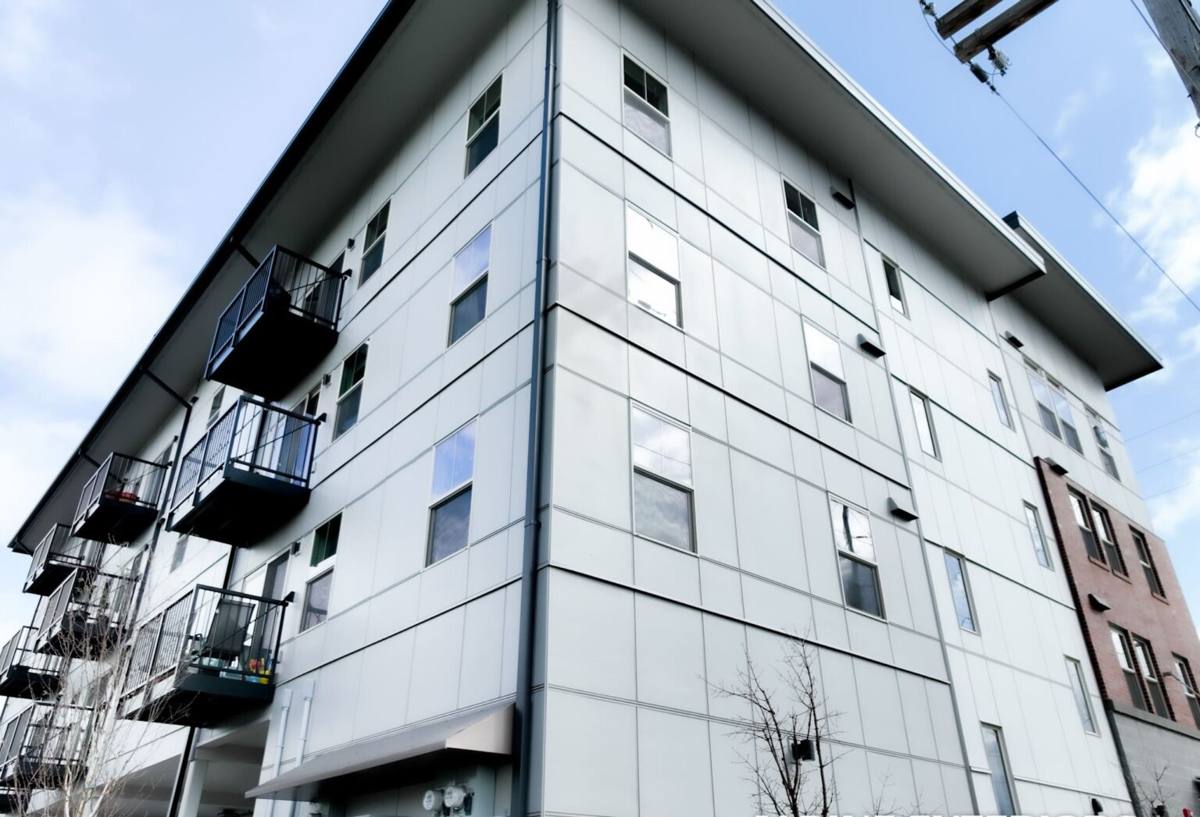
Signs a Ferndale Home Needs Replacement, Not Just a Repair
Some window problems are worth fixing on their own. Others are symptoms of a bigger issue underneath. Here's what usually tells us replacement is the right call rather than another repair:
- Fogging or moisture trapped between panes of double-pane glass — the seal has failed and can't be restored
- Soft, discolored, or spongy wood around the frame or sill, especially on north- or west-facing walls that catch the most weather
- Windows that are difficult to open, close, or lock, which often points to a frame that has swollen, warped, or shifted
- Visible daylight or a noticeable draft around the frame when the window is shut
- Moss or dark staining that keeps returning at the same spot on the sill or corner no matter how often it's cleaned
- A noticeable jump in heating costs without any other explanation
- Condensation forming regularly on the inside of the glass during cooler months
If you're only seeing one of these on one window, a repair may still make sense. When several show up at once, or on multiple windows around the house, that's usually a sign the whole unit — not just a part of it — has reached the end of its useful life.
What a Correct Window Replacement Job Actually Involves
Removal and Inspection
The old window comes out carefully so we can see the condition of the rough opening underneath — the framing, sheathing, and any existing flashing. This step matters more in a wet climate than people expect. A window can look fine from the outside while the wood behind it has been absorbing moisture for years. If we find soft or damaged framing, it gets addressed before a new window ever goes in. Installing a new window into a compromised opening just hides the problem for a while.
Flashing and Moisture Management
This is the step that determines whether a window replacement holds up through Whatcom County winters or starts leaking again in a few years. Proper flashing directs any water that gets past the exterior siding down and out, away from the framing, rather than letting it pool at the sill. We integrate flashing tape and drainage details with the existing wall system so water has a clear path out, not a place to collect.
Insulation and Air Sealing
The gap between the window frame and the rough opening gets sealed with the right material and the right amount — not packed so tight it bows the frame, not left loose enough to let air and moisture through. This is where a lot of comfort and energy loss issues actually come from, more often than the glass itself.
Trim and Finish Work
Interior and exterior trim gets reset or replaced, caulked, and finished so the whole opening looks clean and, just as important, sheds water the way it's supposed to. A sloppy caulk line isn't just cosmetic here — it's an entry point for the driving rain this area gets on a regular basis.
Choosing Materials That Hold Up in Ferndale's Weather
There's no single "best" window material for every home — it depends on your budget, your home's style, and how much maintenance you want to take on. Here's how the common options compare for a marine climate like ours:
| Material | Moisture & Salt Air Performance | Maintenance | Typical Cost Tier |
|---|---|---|---|
| Vinyl | Won't rot or corrode; performs well in coastal air | Low — occasional cleaning | Lower to mid |
| Fiberglass | Very stable in wide temperature and moisture swings; strong resistance to warping | Low | Mid to higher |
| Wood-clad | Good performance if the cladding and seals are properly maintained; core is still wood | Higher — needs attention to caulking and finish over time | Higher |
| Aluminum | Durable but conducts cold and can corrode near salt air without proper coating | Moderate | Lower to mid |
For most Ferndale homes, vinyl and fiberglass are the practical choice — they don't rot, they don't corrode the way bare metal can near salt air, and they don't demand ongoing upkeep to keep moisture out. Wood-clad windows can still be the right call for a home where the look matters most, as long as the homeowner understands the added maintenance. We'll walk through the honest trade-offs for your specific home rather than pushing one product line.
Our Window Replacement Process for Ferndale Homes
Free On-Site Assessment
We come out, look at each window in question, check the surrounding framing and siding condition, and talk through what's actually going on — not just what's visible from inside the house.
Product Selection and Ordering
We go over material, style, and glass package options based on your home, your budget, and how the window is exposed to weather — a window on the rain-facing side of the house doesn't need the same spec as a sheltered one.
Installation Day
We work efficiently to keep the opening covered and protected any time it's exposed, which matters in a climate where a rain shower can show up without much warning. Old windows are removed, the opening is inspected and prepped, flashing and insulation go in correctly, and the new window is set, sealed, and trimmed.
Final Walkthrough
We check operation, seals, and finish work with you before we call the job done, and clean up the work area fully.
What Affects the Cost of Window Replacement
Every home is different, so we don't quote sight unseen — but these are the main factors that move the price up or down:
| Factor | Why It Matters |
|---|---|
| Number of windows | More units means more labor and material, but often a better per-window rate |
| Material and glass package | Vinyl typically costs less than fiberglass or wood-clad; upgraded glass adds cost |
| Size and configuration | Large windows, custom shapes, or multi-panel units cost more than standard sizes |
| Access and story height | Second-story or hard-to-reach windows take more time and equipment |
| Condition of the existing opening | Rot or framing damage found during removal adds repair work before the new window goes in |
We'll give you honest, itemized numbers after we've actually looked at the windows — broad online estimates rarely account for what's really behind an older opening.
Why a Bellingham Crew That Already Knows Ferndale Matters
A lot of window installation problems don't show up on day one — they show up two or three rainy seasons later, when a flashing detail that looked fine on a dry day starts letting water in. A crew that works Whatcom County regularly has already seen how local weather exposes shortcuts, and builds around that instead of learning it the hard way on your house.
Working locally also means we can schedule around actual weather windows instead of guessing, respond quickly if something needs a follow-up look, and we're familiar with the range of home ages and construction styles common in and around Ferndale and greater Bellingham. That local familiarity shows up in small decisions throughout the job — how an opening is flashed, how trim is detailed, what product actually makes sense for a given exposure — that a crew unfamiliar with this specific climate might not think twice about.
Keeping New Windows Performing Through Whatcom County Winters
A correctly installed window should need very little from you, but a bit of seasonal attention goes a long way in this climate:
- Clear debris and check weep holes at the bottom of the frame so water has somewhere to drain
- Rinse off moss or algae buildup on sills and corners before it takes hold and stains the finish
- Check caulking around the exterior trim once a year, and touch up any cracked or separated sections
- Wipe down tracks and hardware periodically, especially if you're near enough to the coast to get salt-laced air
- Keep an eye out for condensation between panes, which signals a seal issue worth addressing early
None of this is a major time commitment, but it's the difference between a window that looks and performs like new for decades and one that starts showing problems well before it should.
If you're dealing with drafty, foggy, or hard-to-operate windows anywhere in the Ferndale area, we're happy to take a look and give you a straightforward, no-pressure estimate — just fill out the form below and we'll get in touch.