 Bellingham Siding
 Building a Deck That Actually Holds Up in Fairhaven
Fairhaven sits close enough to Bellingham Bay that salt air is part of daily life, and the neighborhood's hillside lots and tree cover mean a lot of decks stay shaded and damp for long stretches of the year. That combination — airborne salt, near-constant moisture, and a moss season that can run from fall through spring — is hard on a deck if it wasn't built with those conditions in mind. A deck that would hold up fine in a drier inland location can start showing fastener corrosion, soft spots, or slick moss growth within a couple of seasons out here.
We build decks for homes throughout Bellingham and Whatcom County, and Fairhaven jobs get the same attention to material selection, drainage, and fastening detail every time, because that's what the site actually requires. This page covers what a Fairhaven deck build should include, how we approach the work, and what to expect if you're planning a new deck or replacing one that's failed early.
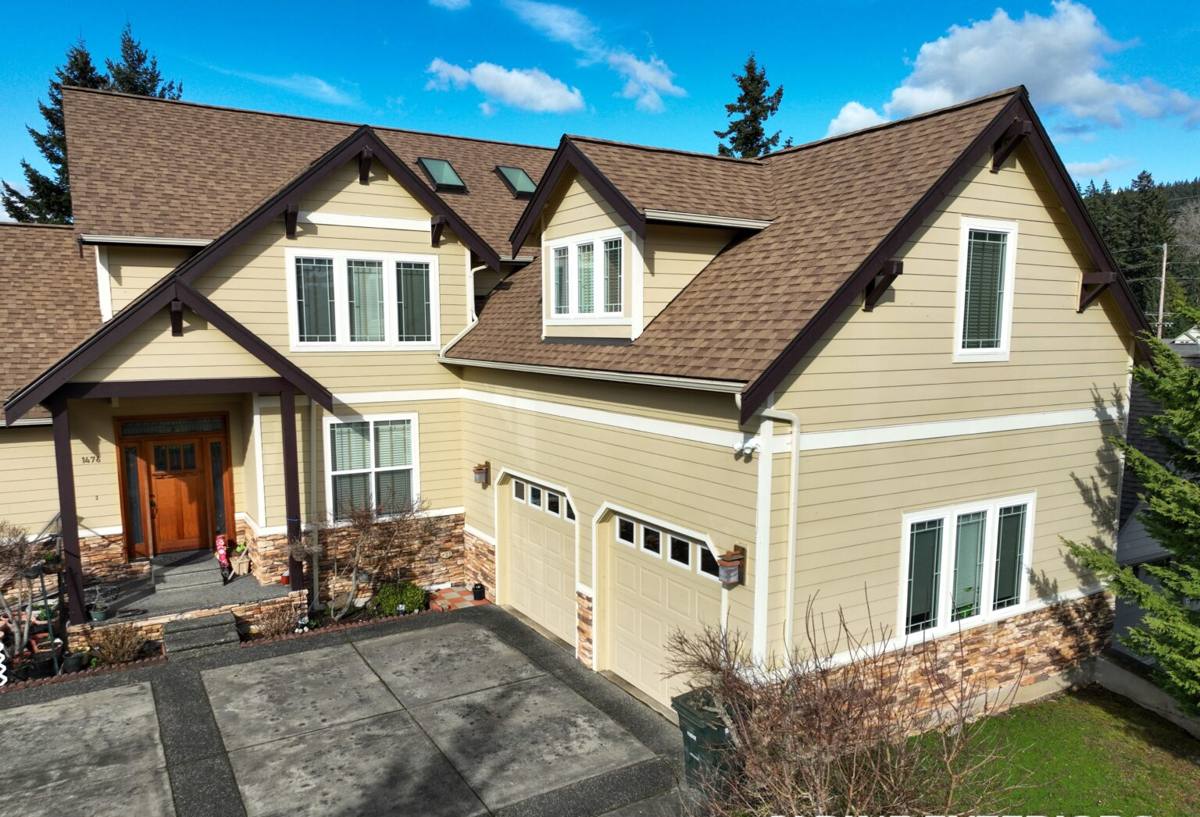
What Fairhaven's Climate Does to an Under-Built Deck
A few specific failure patterns show up again and again on decks in this part of Bellingham:
- Fastener corrosion: Salt-laden air accelerates rust on standard fasteners and hardware, especially where two dissimilar metals meet or where a fastener is only lightly galvanized.
- Moss and algae buildup: Shaded, north-facing, or tree-covered deck surfaces stay damp long after a storm passes, giving moss a foothold on boards, stairs, and railings.
- Trapped moisture at ledger boards and joists: Driving rain that isn't shed properly at the house connection or between boards works its way into framing, leading to rot that isn't visible from the surface.
- Slippery walking surfaces: Moss and algae on stairs and landings are a real fall hazard, not just a cosmetic issue, particularly on sloped Fairhaven lots.
None of this means a deck can't last decades here — it means the build has to account for these conditions from the footings up, not just at the surface.
What a Correct Deck Build Involves
Framing and Fasteners
We use fasteners and structural hardware rated for coastal or high-moisture exposure, not standard interior-grade hardware. That matters most at joist hangers, ledger bolts, and any connection point where corrosion would compromise structural integrity rather than just appearance. Framing lumber is treated for ground contact where it's in contact with or close to soil, and we flash the ledger board connection to the house properly so water is directed away from the wall framing instead of into it.
Footings and Drainage
Footings are sized and set to local frost depth and soil conditions, which on Fairhaven's hillside terrain can mean deeper or additional footings compared to a flat inland lot. We also grade and detail the area under and around the deck so water has somewhere to go — standing water under a deck is one of the most common causes of premature framing rot we see on older builds.
Decking Surface
Board spacing, orientation, and airflow underneath the deck all affect how fast a surface dries out after rain. A deck built tight to the ground with poor airflow will grow moss faster than one with proper clearance, regardless of what material the boards are made of.
Choosing a Decking Material for This Environment
There's no single "best" decking material for every Fairhaven home — it depends on your budget, how much upkeep you want to do, and the look you're after. Here's how the common options actually perform in salt air and heavy shade:
| Material | Moss/Algae Resistance | Maintenance | Typical Lifespan Here |
|---|---|---|---|
| Pressure-treated wood | Low — needs regular cleaning and sealing | Annual cleaning, re-sealing every 1-2 years | 15-20 years with upkeep |
| Cedar | Moderate — natural oils help, still needs care | Cleaning and oil/stain every 1-2 years | 15-25 years with upkeep |
| Composite decking | Higher — resists moisture absorption | Periodic washing, no sealing needed | 25-30+ years, manufacturer-dependent |
| PVC/capped composite | Highest — fully sealed surface | Occasional washing | 25-30+ years, manufacturer-dependent |
Composite and capped composite boards tend to make sense for shaded, moisture-heavy Fairhaven lots because they don't absorb water the way wood does, which slows moss growth and eliminates the sealing cycle. That said, plenty of homeowners want the look and feel of real wood, and a well-built, well-maintained wood deck can absolutely hold up here — it just asks more of you in upkeep. We'll walk through the honest trade-offs for your specific site rather than push one product line.
Structural Considerations for Fairhaven's Terrain
Fairhaven's hillside streets and older housing stock mean a lot of decks here are elevated, stepped, or built against a slope rather than sitting flat at grade. That changes the engineering: taller support posts need proper bracing against lateral movement, stairs on a slope need to meet code for rise and run without shortcuts, and railings on elevated decks are a safety item, not an afterthought. If you're replacing an existing deck, we also check whether the original structure was ever built to code in the first place — older Bellingham homes sometimes have decks that predate current permitting and structural standards.
Permitting in Bellingham and Whatcom County
Most new decks and significant deck replacements in Bellingham require a building permit, and elevated decks in particular get scrutiny for railing height, guard spacing, and structural connections. We handle the permit process as part of the job — pulling the permit, building to the approved plan, and getting it inspected — so you're not left trying to interpret code requirements yourself. Skipping the permit on a deck rebuild can create real problems later, from failed home inspections at resale to insurance questions after storm or structural damage.
Our Deck Building Process
- On-site assessment: We look at your existing deck (if there is one), the slope and drainage of the site, sun/shade exposure, and how the deck connects to the house.
- Design and material selection: We talk through layout, size, railing style, and decking material based on your budget and how much maintenance you want to take on long-term.
- Permitting: We prepare and submit what's needed for the City of Bellingham and get the permit in hand before work starts.
- Demolition (if replacing): Old decking, framing, and footings are removed, and we check the ledger and house framing behind the old deck for hidden moisture damage before rebuilding.
- Framing and structure: Footings, posts, beams, and joists go in first, built to code and to the conditions of your specific lot.
- Decking, railing, and stairs: Surface material, railings, and any stairs are installed and finished.
- Final inspection and walkthrough: We get the city inspection signed off and walk the finished deck with you, including care instructions for whatever material you chose.
Maintaining a Deck in a Salt Air, High-Moisture Climate
Even a well-built deck needs some seasonal attention here. A basic yearly routine goes a long way toward preventing the moss buildup and moisture damage that shorten a deck's life in this climate:
- Sweep debris off the deck regularly, especially in fall — trapped leaves hold moisture against the boards.
- Wash the surface at least once a year to remove early moss and algae growth before it gets established.
- Check and clear gaps between boards so water can drain through rather than pooling.
- Inspect fasteners, hardware, and railings annually for rust or looseness, particularly on older wood decks.
- Re-seal or re-stain wood decking on the schedule appropriate to the product — don't let it lapse.
- Keep an eye on stairs and landings for slickness, since these are the highest-risk spots for a slip.
Why Hire a Crew That Already Works in Fairhaven
A deck contractor who mostly works inland doesn't always think about salt-air hardware, moss-prone shade patterns, or Bellingham's hillside footing requirements as a default — they're solving for a different set of conditions. Because we build and repair decks throughout Whatcom County, including Fairhaven and the rest of Bellingham's waterfront-adjacent neighborhoods, those details are just part of how we spec every job, not something we have to figure out on the fly. That translates into fewer callbacks, fewer surprises during permitting, and a deck that's actually built for the site it's sitting on.
If you're planning a new deck in Fairhaven or dealing with an older one that's showing rot, rust, or moss you can't keep ahead of, we're happy to take a look and talk through honest options. Reach out for a free, no-pressure estimate using the form below.