 Bellingham Siding
 Why Birch Bay Homes Need Windows Built for the Coast
Birch Bay sits right on the water, and that location is exactly what makes window performance different here than it is a few miles inland. Homes facing the bay take on salt-laden air, steady wind, and long stretches of wet weather that a standard window package simply wasn't built to handle. We've replaced enough failing windows in this area to know the pattern: it's rarely the glass that fails first. It's the frame, the seals, and the flashing around the opening giving out years before they should.
An energy-efficient window job in Birch Bay has to do two things at once — cut heating and cooling loss, and hold up physically against salt, rain, and moisture cycling. Get either one wrong and you're looking at a redo well before the window's rated lifespan is up.
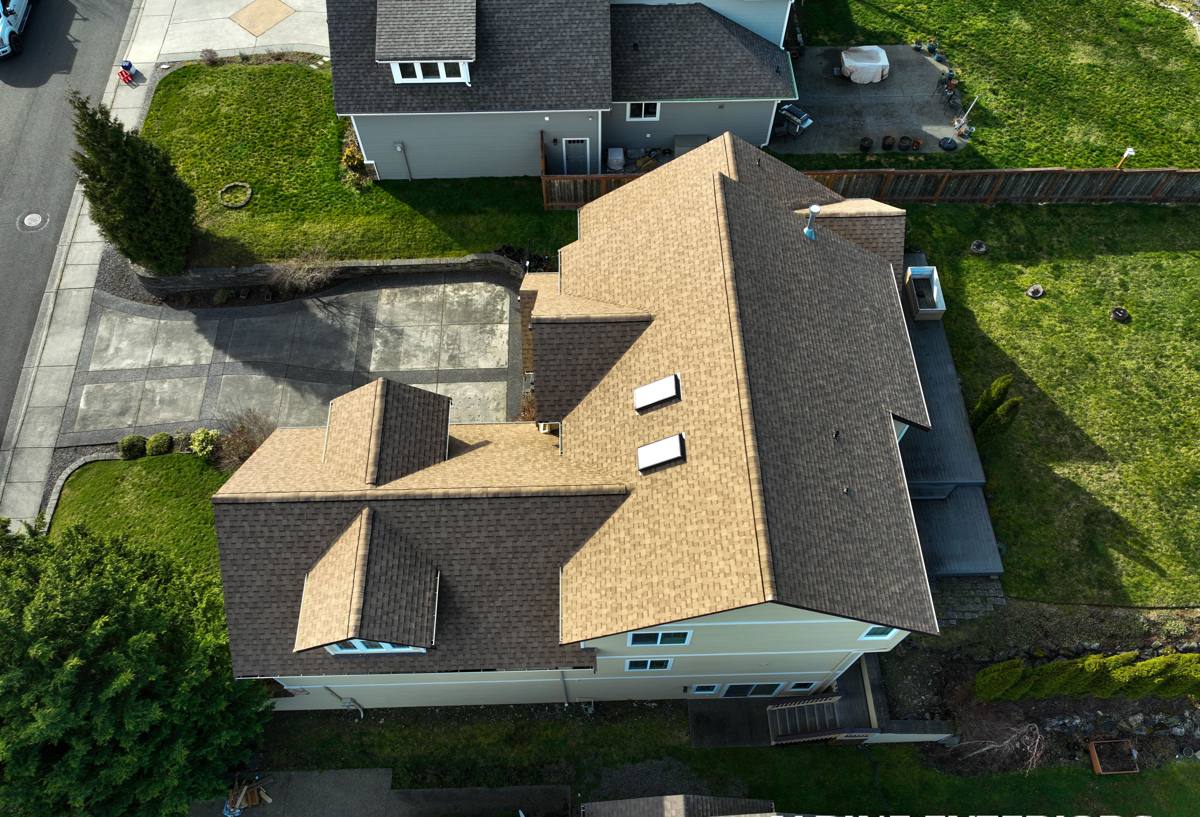
What Salt Air, Driving Rain, and Moss Season Do to Windows Over Time
Salt and Metal Corrosion
Airborne salt from the bay settles on hardware, screens, and exposed metal components. Over years, that accelerates corrosion on cheaper hinges, locks, and balance mechanisms, and it can pit lesser-quality aluminum cladding. It's a slow process, so it's easy to miss until a window won't latch properly or a lock mechanism seizes up.
Wind-Driven Rain and Water Intrusion
Birch Bay gets its share of storms coming straight off the water, and driving rain doesn't behave like a gentle shower — it gets pushed sideways and upward into gaps that would stay dry in a calmer location. Most window failures we find aren't glass problems at all; they're water finding its way behind poorly flashed trim or through a sealant joint that was never detailed for this kind of exposure.
Moss, Shade, and Trapped Moisture
Whatcom County's long wet season keeps moss and algae active for much of the year, especially on north-facing walls and windows shaded by trees or neighboring structures. Moss holds moisture against wood trim and sills, which speeds up rot in anything that isn't properly primed, sealed, and detailed to shed water.
What "Energy-Efficient" Actually Means in This Climate
Energy efficiency isn't one number — it's a combination of factors that matter differently depending on where you live. In Birch Bay, we're less worried about blocking intense summer sun and more focused on stopping heat loss during our long, wet, mild-but-chilly stretch of the year, while also managing condensation from persistent humidity.
U-Factor and Solar Heat Gain
U-factor measures how well a window resists heat loss — lower is better for our climate, since we're heating homes far more than cooling them. Solar heat gain coefficient (SHGC) matters less here than in sunnier regions, but it's still worth understanding what glass package you're getting rather than accepting whatever the installer defaults to.
Low-E Coatings and Gas Fills
Low-E (low-emissivity) coatings and argon or krypton gas fills between panes both improve insulating performance without adding bulk. They're standard on quality double- and triple-pane units now, but the coating type and gas fill quality still vary by manufacturer and price tier.
Air Sealing Matters as Much as Glass
A high-performance glass package installed with sloppy air sealing will still leak heat and let in drafts. In our experience, poor installation causes more energy loss in this region than mediocre glass does — which is why we treat the installation itself as part of the "efficiency" package, not a separate line item.
Signs Your Current Windows Are Costing You Money
Most homeowners don't think about window performance until something's visibly wrong, but there are earlier warning signs worth checking for:
- Noticeable draft or cold spot near the window frame, even with the window fully closed and locked
- Condensation or fogging between the panes (a sign the seal has failed and the gas fill is gone)
- Wood trim or sills that feel soft, discolored, or show active moss growth
- Windows that are hard to open, close, or lock — often a sign the frame has shifted or hardware has corroded
- Higher heating bills than similarly sized homes nearby, with no other obvious cause
- Visible gaps or peeling caulk/sealant around the exterior trim
- Street noise or wind sound that seems louder than it should be for a closed window
Any one of these on its own isn't necessarily urgent. Several together, especially on the side of the house that faces the water or gets the most wind, usually means it's time for a real inspection rather than another caulk touch-up.
What a Correct Installation Actually Involves
Flashing and Water Management First
Before a new window ever goes in, the opening needs to be checked and, if necessary, re-flashed so water is directed out and away from the wall assembly — not just sealed over with caulk and hoped away. This step is where most of the long-term water damage in coastal homes actually gets prevented or missed, and it's not visible once the trim goes back on, which is exactly why it's worth asking your contractor how they handle it.
Proper Fastening and Shimming
A window that's not shimmed level and fastened correctly will operate poorly and stress the seals prematurely, regardless of how good the glass package is. This is especially important in older Birch Bay homes where openings have settled or shifted slightly over the years and aren't perfectly square anymore.
Air Sealing and Interior/Exterior Finish
Proper low-expansion foam or backer rod and sealant around the frame, paired with correctly detailed exterior trim, closes off the air and water paths that cause both energy loss and rot. The interior side needs attention too — a sealed but unfinished interior gap is still a path for drafts and moisture.
Comparing Window Frame Materials for This Climate
There's no single "best" frame material — it depends on budget, maintenance tolerance, and how exposed the home is to wind and salt air. Here's how the common options generally compare for a coastal Whatcom County property:
| Frame Material | Salt/Moisture Resistance | Maintenance | Relative Cost |
|---|---|---|---|
| Vinyl | Good — won't rust or rot | Low | Lower |
| Fiberglass | Very good — dimensionally stable | Low | Mid to higher |
| Wood (clad exterior) | Depends heavily on cladding and upkeep | Higher | Higher |
| Aluminum | Prone to corrosion near salt air unless treated well | Moderate | Varies |
We generally steer coastal clients away from untreated or poorly clad aluminum and wood-exterior combinations near the water, not because the material is bad by nature, but because it demands upkeep most homeowners don't want to keep up with year after year in this kind of exposure. That's a maintenance conversation we have honestly, not a scare tactic.
Cost Factors Worth Understanding
We won't quote a number without seeing the job, but the honest cost drivers on a Birch Bay window project are usually the same handful of things: how many windows, the frame material and glass package you choose, whether the existing openings need repair work before the new window can go in, and whether it's a straightforward retrofit or a full frame replacement with new flashing and trim. Homes that have had water intrusion around the openings will cost more to do right, because that repair work needs to happen before the new window is installed — not after.
Our Process From Estimate to Final Walkthrough
We start with an on-site look at the actual openings, not just a measurement from a photo. That's when we catch trim rot, moss buildup, or flashing issues that change the scope before you're surprised by them mid-project. From there we walk through frame material and glass options based on which side of the house faces the wind and water, give you a clear, itemized estimate, and schedule the work around weather windows that make sense for exterior work in this region. On installation day, we protect the interior, remove and inspect the old opening, address anything we find before the new window goes in, and finish with sealing, trim, and a walkthrough so you know exactly what was done and why.
Why Hire a Crew That Already Works Birch Bay
Window installation looks similar everywhere on paper, but the details that matter — how much flashing overlap you need, which trim details actually shed wind-driven rain, how much moss and shade a given wall gets through the winter — are learned by working this specific area, not from a general training manual. A crew that already works Birch Bay and the surrounding Whatcom County coastline has already seen what fails here and builds around it from the start, instead of learning that lesson on your house.
If you're weighing whether your windows need attention or just want a straight answer about what a correct job would involve, we're happy to take a look and give you a free, no-pressure estimate — just fill out the form below.