 Bellingham Siding
 Edgemoor Roofs Work Harder Than Most
Edgemoor sits close to Bellingham Bay, under a canopy of mature Douglas fir and cedar, which means the roofs here deal with a combination most inland Whatcom County neighborhoods don't see all at once: salt-laden air off the water, driving wind-blown rain, heavy shade that never fully dries out after a storm, and a moss season that can run eight months or longer. Any one of those factors will shorten a roof's life if it's ignored. Together, they punish a roof that wasn't installed with this specific site in mind.
A new roof installation in Edgemoor isn't just about swapping old shingles for new ones. It's about choosing materials and installation details that hold up to salt exposure without corroding, shed moss instead of feeding it, and keep moisture out of the deck and attic through a wet Pacific Northwest winter. That's the standard we build to on every Edgemoor roof.
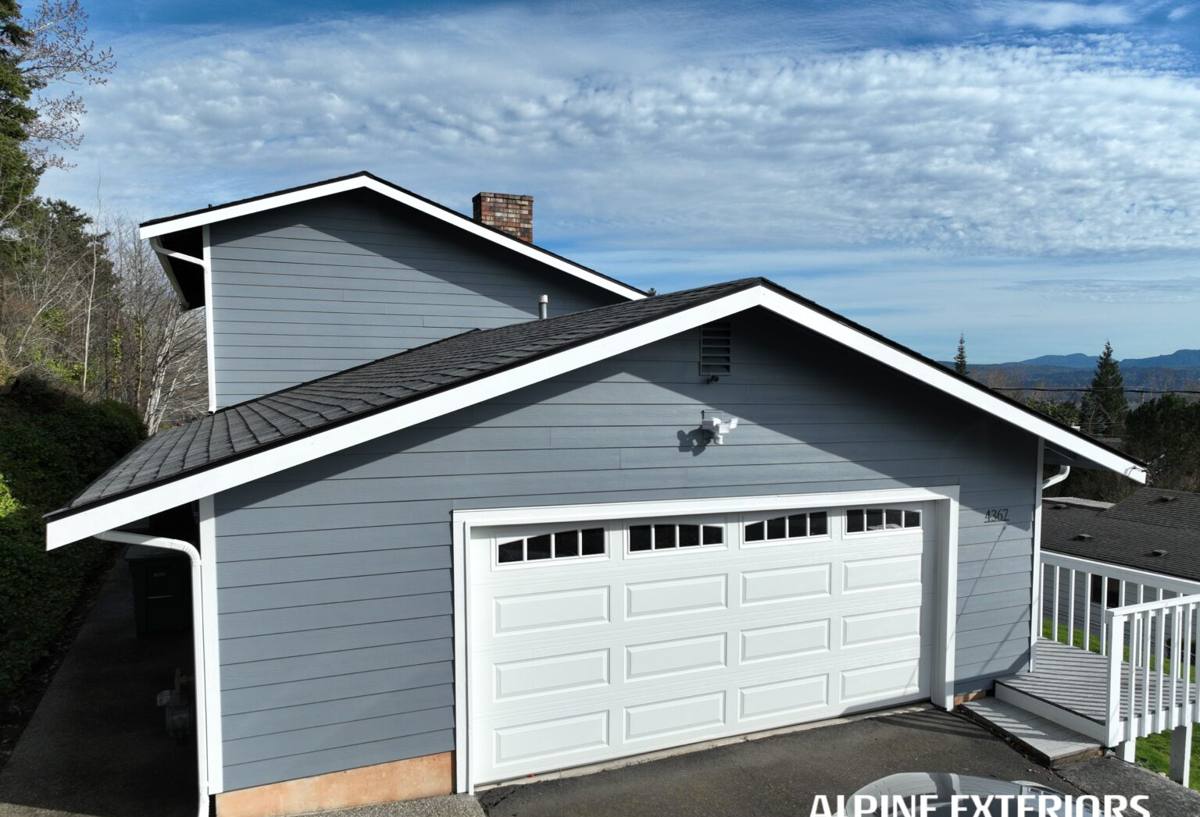
What "Correct" Installation Actually Involves
A roof that looks right from the ground can still fail underneath if the details that matter most were rushed or skipped. Correct installation in a climate like this comes down to a handful of layers working together, not just the visible shingle or panel on top.
Deck Inspection and Repair
Every tear-off gives us a look at the roof deck itself. Soft spots, delaminated plywood, or water staining around old flashing get repaired before anything new goes down. Installing new roofing over a compromised deck just hides a problem that will resurface, usually as a leak, within a few years.
Underlayment
In a region with this much sustained rain, we treat underlayment as a real second line of defense, not a formality. Synthetic underlayment resists tearing and holds up better than old-style felt if weather delays the shingle install by a day or two. Self-adhered ice-and-water shield goes at eaves, valleys, and any low-slope transition where wind-driven rain is most likely to work its way backward under the shingle course above.
Flashing
Flashing failure is the single most common cause of roof leaks we find on older Edgemoor homes, more often than worn-out shingles. Step flashing at wall intersections, counterflashing at chimneys, and properly lapped valley flashing all need to be installed in the correct sequence with the underlayment and shingle courses, not caulked into place as an afterthought.
Ventilation
Balanced intake and exhaust ventilation keeps the attic close to outdoor temperature, which does two things: it prevents moisture from condensing on the underside of the deck in winter, and it reduces the warm, damp air pocket that moss and moulds are drawn to. A roof can be installed with premium shingles and still underperform if the attic underneath isn't breathing correctly.
Choosing a Roofing Material for This Climate
There's no single "best" roofing material for Edgemoor — the right choice depends on your home's style, budget, and how much long-term maintenance you want to take on. Here's how the common options compare against the conditions we actually deal with here.
| Material | Salt Air Resistance | Moss Resistance | Typical Lifespan | Maintenance |
|---|---|---|---|---|
| Architectural asphalt shingle | Good with proper flashing/fasteners | Fair — benefits from algae-resistant granules | 25–30 years | Periodic moss/debris removal |
| 3-tab asphalt shingle | Fair | Fair | 15–20 years | Periodic moss/debris removal |
| Standing seam metal | Very good with coated/coastal-rated panels | Very good — smooth surface sheds moss | 40–50+ years | Low |
| Cedar shake | Fair — needs quality fasteners and treatment | Poor without regular treatment | 20–30 years with upkeep | High — cleaning and treatment |
Metal roofing performs best against the combination of salt air and moss, which is why we see more of it going onto Edgemoor waterfront-facing homes each year. That said, a well-installed architectural shingle roof with algae-resistant granules and correct ventilation is still a solid, more budget-friendly choice for most homes here — the installation quality matters more than the material choice for most of these failure modes.
Moss, Shade, and What It Does to a Roof
Edgemoor's tree cover is part of what makes the neighborhood distinctive, but it also means many roofs stay shaded and damp longer than a roof out in the open would. Moss doesn't just look bad — it holds moisture against the shingle surface, lifts shingle edges as it grows, and accelerates granule loss. On a north-facing slope under fir cover, moss can take hold within a couple of seasons on an untreated roof.
We address this at installation, not just with a maintenance plan after the fact:
- Algae-resistant shingles on shaded and north-facing slopes
- Zinc or copper strips near the ridge on roofs with heavy moss history, which release trace metal ions that inhibit regrowth as rain washes over them
- Keeping gutters and valleys clear so water doesn't pool against the shingle edge
- Recommending limbing back overhanging branches where it's practical, so more sun and airflow reach the roof surface
Salt Air and Coastal Corrosion
Proximity to Bellingham Bay means airborne salt reaches roofing hardware — nails, flashing, vent boots, and metal ridge caps — faster than it would inland. Standard electro-galvanized fasteners can start showing rust streaks within a few years this close to the water. We spec stainless steel or hot-dip galvanized fasteners and coastal-rated flashing on Edgemoor installs specifically because of this, even when it adds a modest cost to the job. It's a cheap upgrade compared to redoing flashing work five years early because the original fasteners corroded.
Our Installation Process
The steps don't change much from house to house, but the details within each step get adjusted for the specific roof in front of us.
- Inspection and estimate — we walk the roof, check the attic for ventilation and moisture signs, and give you a written estimate with material options.
- Material selection — we talk through shingle, metal, or shake options based on your home's exposure, budget, and how it looks alongside the neighborhood.
- Permitting — we handle the City of Bellingham roofing permit where required, so you don't have to track it down yourself.
- Tear-off and deck inspection — old roofing comes off down to the deck, and any damaged sheathing is identified and repaired.
- Underlayment and flashing installation — ice-and-water shield, synthetic underlayment, and all flashing go in before a single shingle is laid.
- Ventilation check — intake and exhaust venting is confirmed or upgraded to balance airflow correctly.
- Roofing installation — shingles, panels, or shakes go on to manufacturer specification, with attention to nailing pattern and exposure.
- Final walkthrough and cleanup — a magnetic sweep for stray fasteners, full site cleanup, and a walkthrough so you know what was done and why.
Tear-Off vs. Overlay
Some homeowners ask about installing new shingles directly over the old layer to save money. We generally advise against it in Edgemoor's conditions. An overlay traps moisture between layers, hides the condition of the deck, and prevents proper ice-and-water shield and flashing work at eaves and valleys — the exact spots most prone to leaks here. A full tear-off costs more up front, but it's the only way to actually verify and correct what's underneath, and it's what most manufacturer warranties require for full coverage anyway.
Signs Your Edgemoor Roof May Need Replacing
Roofs rarely fail all at once — they show warning signs first. A few worth acting on before they become a leak:
- Granules collecting in gutters or at downspout outlets
- Shingles that are curling, cupping, or visibly balding on south or west-facing slopes
- Persistent moss or moisture staining that returns shortly after cleaning
- Daylight visible through the roof deck from inside the attic
- Soft or spongy spots when walking the roof
- A roof approaching or past 20–25 years old, even if it looks intact from the ground
- Rust streaking around flashing, vents, or fasteners
If you're seeing two or more of these, it's worth a full inspection rather than a spot repair — patching an aging roof often costs more over a few years than a properly planned replacement.
Why Local Experience Matters for This Job
A roofing crew that regularly works Edgemoor and the rest of Bellingham knows which slopes hold moss the longest, which older homes in the area were built with sheathing that needs closer inspection, and how to sequence a tear-off around this region's unpredictable rain windows so your home isn't left exposed. We also know the City of Bellingham and Whatcom County permitting requirements and building code specifics for roofing work, so the job is done to code without surprises partway through.
That local familiarity shows up in small decisions throughout the job — the fastener spec, where zinc strips go, how ventilation gets balanced for a heavily shaded lot — that a crew unfamiliar with this specific coastline and tree cover might not think to adjust for.
Get a Free, No-Pressure Estimate
If your Edgemoor roof is showing its age, showing moss it can't shake, or you just want an honest read on its remaining life, we're happy to take a look. Use the form below to request a free estimate — no pressure, just a clear assessment of where things stand and what your options are.