 Bellingham Siding
 Why Sunnyland Decks Wear Differently Than Decks Inland
Sunnyland sits close enough to Bellingham Bay that homes here deal with a steady drip of salt-tinged air on top of everything else Whatcom County's weather throws at a deck. That combination is harder on wood, fasteners, and finishes than most homeowners expect. Salt air speeds up corrosion in metal hardware, driving rain finds every unsealed seam and end cut, and the long stretch of gray, damp months each year gives moss and algae months to colonize any surface that doesn't dry out quickly. None of this means a deck is doomed — it means a deck built or repaired without this climate in mind will fail faster than the same deck built somewhere drier.
We've repaired decks throughout Sunnyland and the surrounding Bellingham neighborhoods long enough to know which failure points show up first, and in what order. That's the difference between a repair that patches a symptom and one that actually addresses why the deck failed.
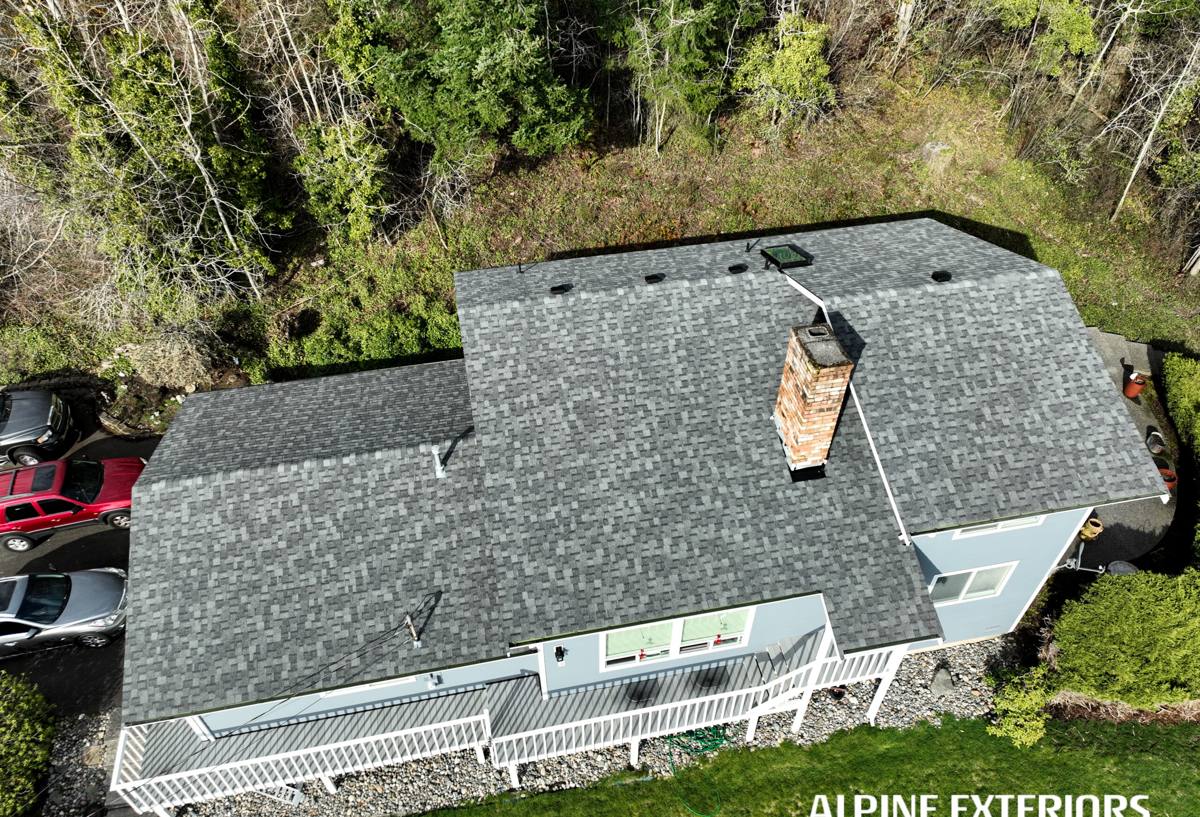
The Problems We See Most Often in This Neighborhood
Ledger Board and Structural Connections
The ledger board — where the deck attaches to the house — is the single most safety-critical part of most decks, and it's also the part most likely to trap water against the house's rim joist. In a climate with as much driving rain as ours, a ledger without proper flashing will let water track behind it for years before any visible sign shows up inside. By the time paint bubbles or a soft spot appears on the siding, the wood behind it may already be compromised.
Fasteners and Metal Hardware
Salt air accelerates corrosion in nails, screws, and joist hangers — especially hardware that wasn't rated for exterior or coastal use in the first place. Rusted fasteners don't just look bad; they lose holding strength, and a deck is only as strong as the connections holding it together.
Decking Surface and Moss Growth
Whatcom County's long moss season isn't just cosmetic. Moss and algae hold moisture against the decking surface, which accelerates wood rot and makes composite surfaces slick and, over time, discolored. Boards that don't get sun or airflow — often on the north or shaded side of a house — are the first to show it.
Railings, Posts, and Footings
Railings take constant hand contact and lateral stress, so any rot at a post base or loose baluster connection is a safety issue, not just an appearance one. Footings and post bases sitting in poorly draining soil are also common trouble spots we check on every inspection.
Repair or Replace? How We Actually Decide
Not every issue means tearing out the whole deck, and not every deck is worth patching board by board. We look at the scope of the damage, how it's distributed, and what it would cost to keep fixing the same problem every few years versus solving it once.
| Factor | Favors Repair | Favors Replacement |
|---|---|---|
| Structural framing | Solid, dry, no soft spots | Rot at ledger, joists, or posts |
| Damage spread | Isolated to a few boards or fasteners | Scattered across most of the surface |
| Age of decking | Under two-thirds of expected lifespan | Near or past expected lifespan |
| Moss/algae staining | Surface-level, cleans and treats well | Has caused visible softening or delamination |
| Railing condition | Solid connections, cosmetic wear only | Loose posts, soft wood at anchor points |
When the framing underneath is sound, targeted repair is almost always the right call — it's faster, less disruptive, and costs a fraction of a full rebuild. When the problems trace back to the structure itself, we'll tell you honestly rather than layering a repair on top of a deck that needs to come out.
How Our Deck Repair Process Works
Inspection and Moisture Check
We start by walking the whole deck — surface, framing where accessible, railings, stairs, and the ledger connection — and probe any area that looks or feels soft. Moisture readings on suspect boards tell us whether we're looking at surface weathering or active rot.
Diagnosis and a Written Plan
Before any work starts, we explain what we found, what's causing it, and what it will take to fix it properly — including if that means the repair scope is smaller (or larger) than what brought you to call us in the first place.
The Repair Itself
Depending on scope, this can include replacing individual boards, sistering or replacing damaged joists, re-flashing the ledger connection, swapping corroded fasteners for hardware rated for our climate, and rebuilding railing sections at the post base. We match new material to existing decking as closely as possible rather than leaving an obvious patchwork.
Cleanup and Final Check
We clear debris, sweep the work area, and walk the repair with you before calling the job done. If moss or algae treatment is part of the scope, we'll cover care going forward so it doesn't come right back.
Materials: What We Use and the Trade-Offs We're Honest About
Both wood and composite decking can perform well in Bellingham's climate — but each comes with maintenance expectations we'll walk you through rather than gloss over.
- Pressure-treated wood is affordable and easy to repair board-by-board, but it needs periodic sealing or staining to shed water and resist moss — skip that maintenance in our climate and it shows fast.
- Cedar has natural rot resistance and a look many homeowners prefer, but it's softer and more sensitive to fastener choice and finish schedule than treated lumber.
- Composite decking resists rot and doesn't need staining, but it isn't immune to moss and algae growth in shaded, damp spots, and it requires the correct hidden fasteners and proper gapping to install right — get that wrong and moisture problems show up underneath instead of on the surface.
Our standard on hardware is stainless steel or coated fasteners rated for exterior and coastal exposure, full stop — the small upfront cost difference is nothing compared to redoing a repair in a few years because standard hardware corroded.
Timing Repairs Around Bellingham's Seasons
Whatcom County's wet season runs long, and moss and algae have most of the year to establish themselves on a shaded deck. Late spring through early fall gives wood the best chance to dry out fully before a repair is sealed or finished, which matters for how well any coating adheres and holds. That said, structural issues — a soft ledger, a failing post — shouldn't wait for ideal weather. We can assess and often repair urgent structural problems any time of year; it's cosmetic and finish work that benefits from a drier window.
A Simple Maintenance Checklist for Sunnyland Homeowners
- Sweep debris and standing water off the deck surface regularly, especially in shaded areas
- Check for moss or algae buildup each fall and treat it before it spreads through the winter
- Look at the ledger board connection where the deck meets the house for any staining or soft wood
- Inspect railing posts and baluster connections for looseness at least once a year
- Reseal or restain wood decking on the manufacturer's recommended schedule — don't wait for visible graying
- Confirm gaps between composite boards haven't closed up or trapped debris
- Check under the deck for pooling water or poor drainage around footings
Why It Matters to Hire a Crew That Already Works in Sunnyland
A deck repair contractor who works this specific area regularly has already seen how Sunnyland's mix of tree cover, moisture, and salt-tinged air plays out on real decks over time — which shaded spots hold moss longest, which fastener choices hold up and which don't, and where ledger flashing tends to get skipped on older construction. That local pattern recognition means a faster, more accurate diagnosis instead of guesswork, and it means the repair is built for the conditions your deck will actually face, not generic conditions from a manual.
It also means we're familiar with Bellingham and Whatcom County permitting requirements where structural repairs call for them, so the work is done to code from the start rather than needing correction later.
Get an Honest Look at Your Deck
If your deck has soft spots, rusted hardware, persistent moss, or a railing that doesn't feel as solid as it should, it's worth getting an honest assessment before small problems turn into structural ones. We offer free, no-pressure estimates for Sunnyland homeowners — use the form below to get a time on the calendar.