 Bellingham Siding
 Windows Built for York's Coastal Conditions
Homes in the York neighborhood deal with a specific combination of weather that a lot of window products simply aren't built to handle over the long term. Salt-laden air off the water, wind-driven rain that finds its way into anything less than a tight, well-flashed opening, and a moss season that stretches for months all put steady pressure on window frames, seals, and finishes. A window that looks fine for the first few years can still be failing quietly behind the trim if it wasn't installed with this climate in mind.
Custom windows aren't just about matching an unusual opening size, though that's part of it in York's mix of older and newer housing stock. It's about specifying the right frame material, the right glazing package, and the right installation details so the window actually performs where it's installed, not just on a spec sheet from a mild-climate showroom.
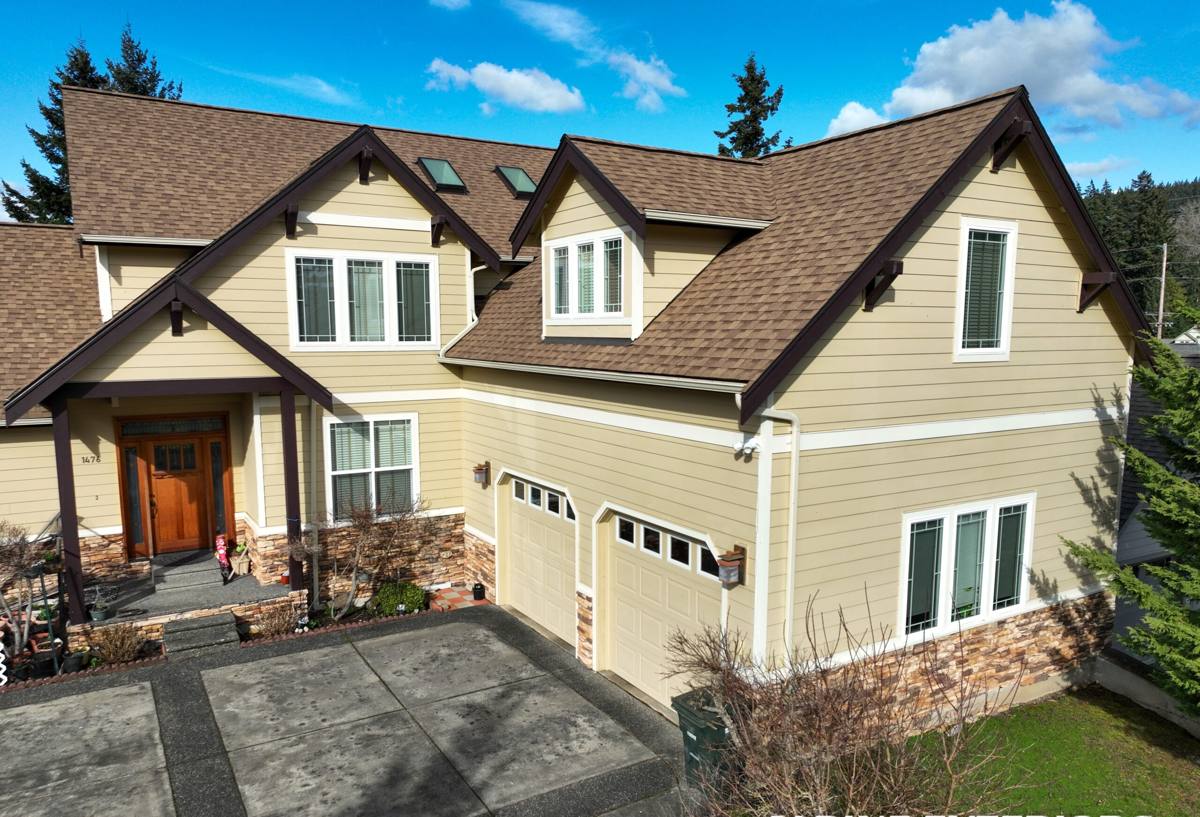
What Bellingham's Climate Does to Windows Over Time
Three factors show up again and again when we're diagnosing window problems in this part of Whatcom County:
- Salt air corrosion — hardware, fasteners, and low-quality cladding on windows can corrode or pit faster near the water, even a few miles inland when weather comes off the Sound.
- Driving rain — wind-driven rain doesn't just hit a window straight on, it gets pushed sideways and upward, which exposes weak flashing details and undersized weep systems that would never be tested in calmer climates.
- Extended moss and moisture season — long stretches of damp, low-sun conditions keep wood trim, sills, and surrounding siding wet longer, which accelerates rot at the window perimeter if the flashing and sealants aren't right.
None of these are exotic problems. They're the ordinary result of a marine climate acting on a window system over years, and they're very predictable once you've seen enough of them in this specific area.
Common Signs a Window Isn't Holding Up
Homeowners in York usually notice one or more of these before calling anyone:
- Fogging or a hazy film between double-pane glass, which means the seal has failed
- Soft or discolored wood trim around the frame, especially at the bottom corners
- Drafts or a cold feeling near the window even when it's fully closed and locked
- Difficulty opening, closing, or locking a window that used to operate smoothly
- Visible mildew or dark streaking on the interior sill or frame
What "Custom" Actually Means for a Window Job
Custom windows cover more ground than most homeowners expect. It's not only about odd shapes or oversized openings — although York has its share of both, especially in additions and remodeled spaces. Custom work typically means:
- Matching an opening that's slightly out of square or out of standard size, which is common in older framing
- Specifying frame material and finish based on sun exposure and salt-air exposure on that specific elevation of the house
- Choosing glazing (double vs. triple pane, low-E coatings, gas fill) based on which direction the window faces and how much weather it takes
- Matching grid patterns, trim profiles, or color to the rest of the house rather than defaulting to whatever's in stock
- Building out flashing and drainage details specific to the wall assembly behind the window, not a generic install
A correct custom window job treats the window as part of the wall's weather barrier system, not a standalone product dropped into a hole.
Frame Material Trade-Offs for This Climate
There's no single "best" frame material for every home in York — the right call depends on sun exposure, how close the home sits to salt air, budget, and how the rest of the exterior is finished. Here's how the common options actually perform in this climate, in plain terms:
| Frame Material | Salt Air / Moisture Behavior | Maintenance | Where It Fits Best |
|---|---|---|---|
| Vinyl | Resists corrosion well; won't rot, but can chalk or fade over many years of UV and salt exposure | Low — occasional cleaning | Budget-conscious replacements, rental or secondary structures |
| Fiberglass | Very stable in temperature swings and moisture; holds paint and finish well long-term | Low to moderate | Homes wanting durability with a more refined look, higher-exposure elevations |
| Aluminum-clad wood | Exterior clad resists weather; interior wood needs the seal to stay intact to avoid rot risk | Moderate | Homes prioritizing interior wood appearance, more protected elevations |
| Solid wood | Most vulnerable to rot and moss growth without diligent upkeep and repainting | High | Historic or period-accurate homes where appearance is the priority |
We'll walk through these trade-offs honestly rather than pushing whatever's easiest to install. If a solid wood window is the right call for a period home's appearance, we'll say so — along with what upkeep it'll actually require in a marine climate like this one.
Glazing and Sealing: Where Most Failures Actually Start
In our experience, most window problems in this area don't start with the frame — they start with the seal, the flashing, or the installation gap around the frame. A high-end window installed with a weak weather barrier will fail before a mid-grade window installed correctly. That's why the glazing package matters, but the installation details matter more:
- Proper flashing tape and pan flashing at the sill to direct any water that gets past the window back out, not into the wall
- Correctly sized and sloped weep holes so wind-driven rain has somewhere to go
- Backer rod and sealant at the exterior trim joint, sized and applied so it can flex with temperature changes instead of cracking
- Insulation packed correctly around the frame — not too tight, not left as gaps that let moist air condense inside the wall cavity
Our Process for York Homes
1. On-Site Assessment
We look at each opening individually — its exposure to prevailing wind and rain, the condition of the existing trim and sheathing behind it, and any signs of past moisture intrusion. This tells us whether we're dealing with a straightforward replacement or a repair-and-replace situation where trim or sheathing needs attention first.
2. Product and Material Selection
We go through frame material, glazing, and finish options based on that specific opening's exposure, your budget, and how it needs to match the rest of the house. No default recommendation — the same house can reasonably use different specs on its most exposed side versus a sheltered one.
3. Precise Measurement and Ordering
Custom openings get measured carefully, accounting for any out-of-square conditions, before anything is ordered. This avoids the delays and compromises that come from field-fitting a window that doesn't actually match the opening.
4. Removal and Inspection
When we pull the old window, we inspect the framing, sheathing, and sill behind it. This is often the first real look anyone's had at that area in years, and it's where hidden rot or past flashing mistakes show up.
5. Correct Installation
Flashing, weep systems, insulation, and sealant are installed to shed water outward at every layer, not just caulked over. This is the step that determines whether the window performs for the next twenty-plus years or starts failing in five.
6. Final Check and Walkthrough
We test operation, check the seal and trim lines, and walk through what maintenance (if any) the specific product will need going forward.
Why Local Experience in York Matters
A window crew that already works in and around York knows which elevations tend to take the worst of the wind-driven rain, how long the moss season really runs in this part of Whatcom County, and what past building practices in the area tend to look like once trim comes off. That's not something you get from a product catalog — it comes from doing this work on homes with the same weather exposure, house by house, over time. It also means we're not guessing at flashing details or improvising a fix on-site; we've already worked out what holds up here and what doesn't.
Maintenance Checklist for Custom Windows in a Marine Climate
Whatever material you choose, a little seasonal attention goes a long way in this climate:
- Rinse salt residue off frames and glass periodically, especially on wind-exposed sides of the house
- Check exterior caulking and sealant lines once a year for cracking or separation
- Keep gutters and nearby roof drainage clear so water isn't sheeting down over window trim
- Clear moss or organic buildup from sills and surrounding trim before it holds moisture against the wood or finish
- Test operation of locks and hardware seasonally — stiff or sticking hardware can be an early sign of frame movement or corrosion
- Look inside for condensation between panes, which signals a failed seal worth addressing before it affects energy performance
Cost Factors to Expect
Custom window pricing varies by opening size, frame material, glazing package, and how much flashing or trim repair is needed behind the old window. Rather than quote a number that won't reflect your actual home, we price each opening individually after the on-site assessment — that's the only honest way to give you a figure you can rely on.
If you're dealing with drafty, foggy, or aging windows in York, or planning a remodel that needs custom openings done right for this climate, we're happy to take a look and put together a free, no-pressure estimate. There's a form below — reach out and we'll get a visit scheduled.