 Bellingham Siding
 Window Installation Built for the Cordata Climate
Cordata sits in north Bellingham, close enough to the Salish Sea to catch the salt-laden air that moves in off the water, and far enough into Whatcom County's wet-weather pattern to see driving rain for most of the year. Add in the long moss season that coats north-facing siding, sills, and shaded trim from fall through spring, and you have a climate that is genuinely hard on windows. Not dramatically hard, in the way hurricane country or extreme cold is hard — but relentlessly hard, in the slow-drip, cumulative-moisture way that eventually shows up as soft trim, fogged glass, and drafts nobody can quite locate.
A window that's installed correctly for this climate will outlast one that's just installed "to code" by a decade or more. The difference isn't usually the window itself — most name-brand windows are built to handle Pacific Northwest weather just fine. The difference is almost always in the installation: the flashing sequence, the sealant choices, and how well the opening is prepared before the window ever goes in.
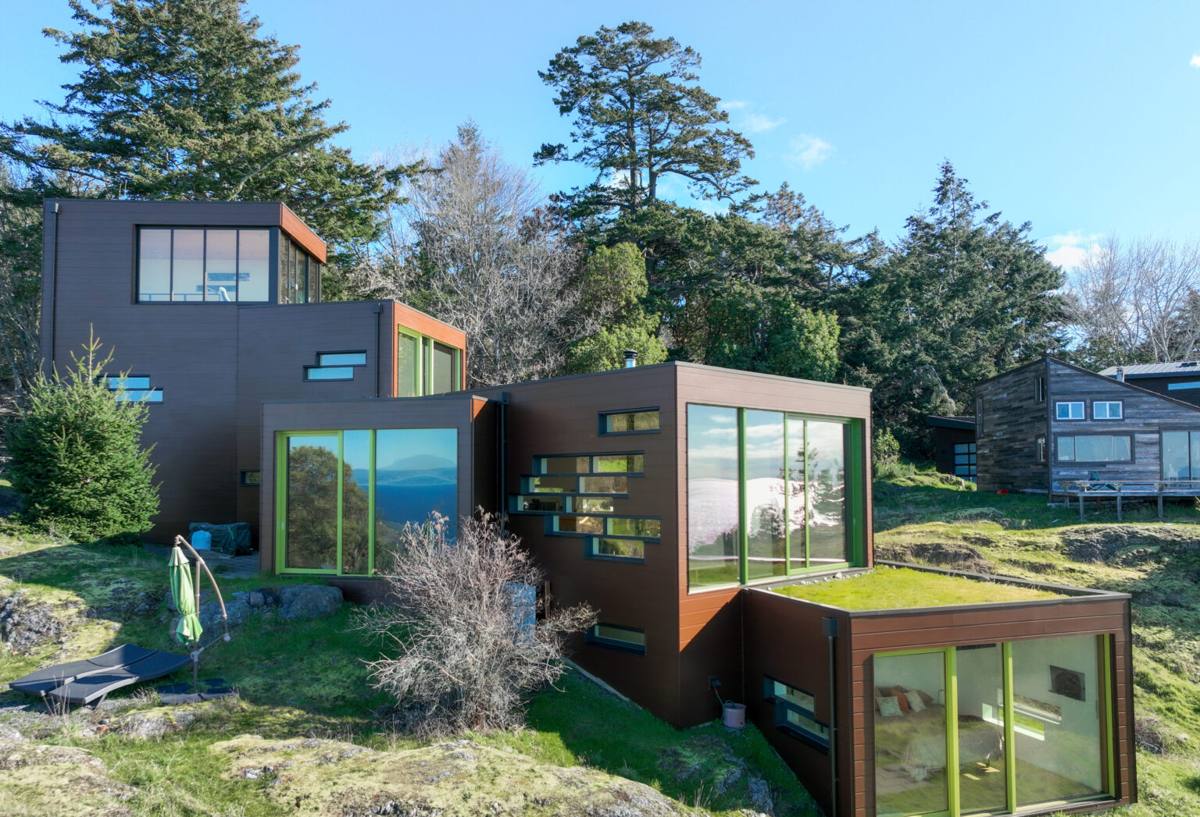
What This Climate Actually Does to a Window Opening
Wind-Driven Rain
Bellingham doesn't get the heaviest rainfall totals in the state, but a lot of it arrives sideways. Wind-driven rain pushes water up and under trim, flashing, and gaps that would stay dry in a straight-down rain. Cordata's mix of open lots and mature tree cover means exposure varies a lot from one side of a house to another — south and west-facing walls generally take the worst of it.
Salt Air and Metal Fatigue
Proximity to the water means airborne salt settles on window hardware, fasteners, and any exposed metal flashing over time. It's a slow process, but it accelerates corrosion on lower-grade hardware and can pit unprotected fasteners years before they'd normally fail inland.
Moss, Algae, and Trapped Moisture
Shaded and north-facing exposures in Cordata grow moss and algae on almost any horizontal or textured surface that stays damp — window sills, sloped trim, and the tops of flanges. That growth holds moisture against wood and composite materials far longer than plain rain exposure would, which is why sills and lower trim are usually the first thing to fail on an older or poorly flashed window.
Temperature Swings and Condensation
Whatcom County winters aren't extreme, but the gap between a cold, damp exterior and a heated interior is enough to drive condensation on single-pane and poorly sealed dual-pane windows. Persistent condensation between panes is one of the clearest signs a window's seal has failed.
Signs a Cordata Home Needs New Windows
Not every draft or sticky sash means a full replacement — but these are the signals worth taking seriously:
- Fog or moisture visible between the panes of a double-pane window (the seal has failed)
- Soft, spongy, or discolored wood trim or sill around the window frame
- Windows that are difficult to open, close, or lock, especially after damp weather
- Visible daylight or a noticeable draft around the frame when it's windy
- Paint that keeps peeling or bubbling on the interior or exterior trim near the window
- Moss or dark staining building up on sills or the bottom of the frame
- A noticeable jump in heating costs without any other explanation
- Condensation forming on the interior glass or frame during cold snaps
If you're seeing two or more of these on the same window, it's usually cheaper in the long run to replace it than to keep patching around the underlying moisture problem.
What a Correct Installation Actually Involves
The window itself is maybe a third of the job. The rest is preparation and sealing — and it's the part that determines whether the installation holds up through a normal Bellingham winter or starts leaking within a few years.
Opening Prep and Inspection
Before a new window goes in, the opening gets inspected for rot, soft framing, or existing water damage. Skipping this step and installing a new window over a compromised opening just hides the problem — it doesn't fix it. Any damaged framing or sheathing gets repaired first.
Flashing Sequence
This is the single most important part of a weathertight install in a climate like ours. Flashing tape and weather-resistant barrier need to be layered correctly — sill pan first, then sides, then the top — so water is always directed outward and downward, never trapped behind the window or wicking into the wall assembly. Done out of order, flashing can actually funnel water into the wall instead of away from it.
Sealant and Fastener Choices
Given the salt air, we favor corrosion-resistant fasteners and sealants rated for sustained UV and moisture exposure rather than whatever is cheapest at the moment. It costs a little more up front and makes a real difference ten years out.
Insulation and Air Sealing
The gap between the window frame and the rough opening needs to be filled with a low-expansion foam or backer rod and sealant — not stuffed with fiberglass, which does little to stop air movement and can hold moisture against the frame.
Interior and Exterior Trim
Trim gets reinstalled or replaced with attention to drainage — sloped sills, back-caulked joints, and paint or finish that can handle a shaded, damp exposure if that's what the window faces.
Choosing a Window Material for This Climate
There's no single "best" window material — the right choice depends on the home, the budget, and how exposed a particular opening is to wind-driven rain or shade-driven moss growth. Here's how the common options compare for a Cordata home:
| Material | Moisture Resistance | Maintenance | Typical Lifespan |
|---|---|---|---|
| Vinyl | Very good — won't rot, low water absorption | Low — occasional cleaning | 20–30 years |
| Fiberglass | Excellent — dimensionally stable, resists warping | Low | 30–40+ years |
| Wood (unclad) | Poor without diligent upkeep — vulnerable to rot and moss staining | High — regular painting/sealing | Highly variable, often 15–25 years without upkeep |
| Wood-clad (aluminum or vinyl exterior) | Good — exterior shell protects the wood core | Moderate | 25–35 years |
| Aluminum | Fair — durable but prone to condensation without thermal breaks | Low | 20–30 years |
For most Cordata homes, vinyl or fiberglass strikes the best balance of moisture resistance and low upkeep. We're generally cautious about unclad wood on heavily shaded or west-facing exposures — not because wood windows are a bad product, but because this climate demands a maintenance schedule most homeowners don't want to keep up with indefinitely. If you want the look of wood with less upkeep, a clad option is usually the better trade-off.
Insert Replacement vs. Full-Frame Replacement
There are two basic approaches to replacing an existing window, and the right one depends on the condition of what's already there.
Insert (Pocket) Replacement
The new window is installed inside the existing frame, which stays in place. It's faster, less disruptive to siding and trim, and typically less expensive. It only makes sense when the existing frame is still sound and dry — if there's hidden rot, an insert just seals moisture in.
Full-Frame Replacement
The old frame comes out entirely, exposing the rough opening for inspection and repair. This is the right call whenever there's visible water damage, soft framing, or when we can't confirm the old flashing was done correctly. It costs more and takes longer, but it's the only way to actually fix a moisture problem rather than cover it up.
We'll tell you honestly which one your windows need — not just sell you whichever is faster.
Our Process
- On-site evaluation of each window opening, including a check for hidden moisture or framing damage
- Honest recommendation on insert vs. full-frame replacement, and material options that fit the home and budget
- Written estimate with no pressure to decide on the spot
- Careful removal of the old window and inspection of the opening once it's exposed
- Repair of any rot or damaged framing found before the new window goes in
- Correct flashing sequence, insulation, and sealing around the new unit
- Interior and exterior trim finished and sealed for long-term drainage
- Final walk-through so you can see and test the finished work before we consider the job done
Why It Matters That We Already Work in Cordata
Every neighborhood in the Bellingham area has its own quirks — the exposure a house gets, the age of typical construction, how much shade and moss pressure a given block deals with. Working regularly in and around Cordata means we already have a feel for which exposures need extra attention and which older homes in the area are more likely to have outdated or poorly flashed windows from a previous remodel. That familiarity shows up in faster, more accurate estimates and fewer surprises once a wall is opened up.
It also means we're not guessing at permitting or code requirements for Whatcom County jobs — we handle window replacement here often enough that it's routine, not a one-off.
What Affects the Cost
Window installation pricing varies a lot based on a handful of factors. Broadly, most homeowners in this area are looking at a range from a few hundred dollars per window for a straightforward vinyl insert replacement up to several thousand per opening for larger, full-frame, or higher-end material jobs. The main variables:
| Factor | Why It Matters |
|---|---|
| Insert vs. full-frame | Full-frame requires more labor and often trim/siding repair |
| Window material | Fiberglass and clad-wood cost more upfront than vinyl |
| Size and configuration | Larger units, bays, and custom shapes cost more than standard sizes |
| Existing damage | Rot repair adds labor and material cost beyond the window itself |
| Access and story height | Second-story or hard-to-reach windows take more time and equipment |
| Number of windows | Doing multiple openings in one visit typically lowers the per-window cost |
We'll walk through these factors with you during the estimate so you know exactly what's driving the number, not just a total.
Get an Estimate for Your Cordata Home
If you're dealing with drafty, fogged, or stuck windows — or just want an honest read on whether your current windows are holding up to what this climate throws at them — we're happy to take a look. The estimate is free, there's no pressure to commit, and you'll get a straight answer about what your windows actually need. Fill out the form below to get started.