 Bellingham Siding
 Windows Built for the Columbia Neighborhood's Weather
The Columbia neighborhood sits close enough to Bellingham Bay that homes here take a steady beating from salt-tinged air, wind-driven rain, and the long gray stretch of moss season that runs from fall through spring. Older double-hung and aluminum-frame windows in this part of Bellingham tend to show their age faster than the same units would inland — swollen sashes, foggy double-pane glass, sills gone soft, and trim that's started to green up with moss and algae. None of that is a surprise. It's just what Whatcom County weather does to a window that wasn't installed with drainage and sealing as the top priority.
Window installation done right in this neighborhood isn't just about picking a good window — it's about how that window is flashed, sealed, and tied into the wall so water has nowhere to go but back outside. We've worked on enough homes in this part of Bellingham to know where the trouble spots usually show up, and we build our installs around avoiding them.
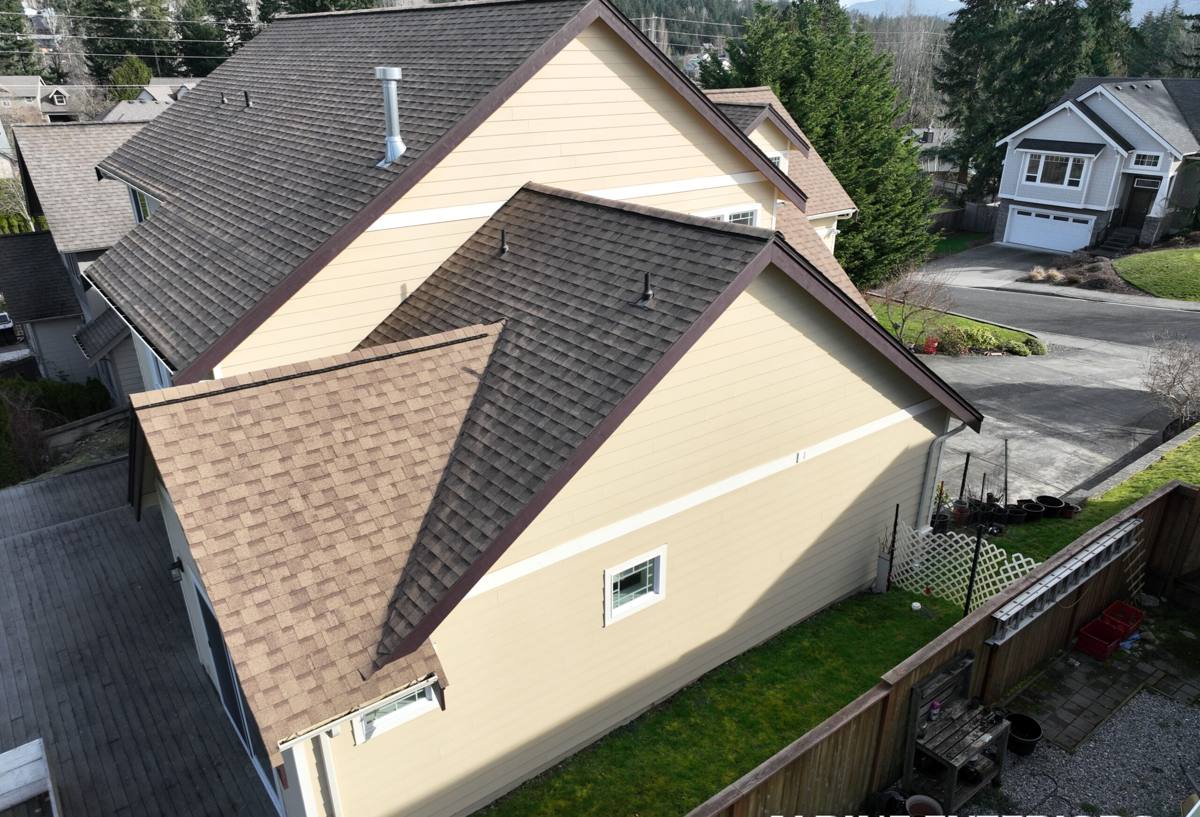
What Columbia Homes Actually Need From a Window Install
Housing Stock and Common Window Ages
Homes in and around Columbia range from early-to-mid-century houses to more recent infill construction, which means we run into everything from original wood-frame single-pane windows to 1980s-90s aluminum sliders to vinyl units installed within the last couple decades. Each of those brings a different starting condition — old wood frames often have hidden rot behind the trim, aluminum frames conduct cold and sweat with condensation, and even newer vinyl windows can fail early if the original install skipped proper flashing.
The Moisture Problem, Specifically
Bellingham's rain doesn't usually come straight down — it comes sideways, pushed by wind off the water. That matters because a window that's fine in a calm rain can still leak under wind-driven rain if the flashing and sealant weren't detailed for it. Add in the mild, humid winters that keep everything damp for weeks at a time, and any gap in the weather barrier becomes an invitation for wood rot, mold, and stained interior drywall.
Moss and Algae Growth
The same shade and moisture that make Bellingham's yards so green also grow moss and algae on window sills, trim, and the caulk lines around frames. Beyond looking bad, that growth holds moisture against the wood and finish longer than it would otherwise sit, accelerating rot and paint failure. Window and trim material choice, plus sill design that sheds water instead of pooling it, makes a real difference here.
What a Correct Window Installation Involves
A window install is only as good as the parts nobody sees once the trim goes back on. Here's what we consider non-negotiable on every job:
- Removing the old window and inspecting the rough opening for rot, soft framing, or prior water damage before anything new goes in
- Repairing or replacing damaged framing and sheathing rather than installing over it
- Installing a sloped sill pan so any water that gets past the window drains outward, not into the wall
- Properly lapped flashing tape at the sill, jambs, and head — in the correct shingle-style order so water sheds down and out
- Continuous, gap-free sealant at the exterior perimeter, matched to the siding type
- Shimming and fastening the window plumb, level, and square so sashes operate smoothly for years
- Insulating the gap between the window frame and rough opening — not overpacked, not left empty
- Interior and exterior trim reinstalled or replaced with attention to paint and caulk lines that will actually hold up to weather
Skip any one of those steps and you can end up with a window that looks fine for a year or two before drafts, fogging, or a soft spot in the sill trim shows up.
Our Process for Columbia Window Projects
1. On-Site Assessment
We start by looking at your existing windows and the condition of the framing around them, not just the glass. This tells us whether we're dealing with a straightforward replacement or whether there's rot or drainage issues that need to be addressed first.
2. Product Selection Based on Exposure
Windows facing prevailing wind and rain — often the west and south sides of a house in this area — get more scrutiny on flashing detail and sealant than windows on more sheltered walls. We'll walk you through frame material trade-offs based on where each window actually sits on your house.
3. Removal and Opening Prep
Old windows come out carefully to protect interior and exterior finishes. Any rot or damaged sheathing we find gets repaired before the new window goes in — we don't install a new window into a bad opening.
4. Flashing, Sealing, and Setting the Window
This is where most of the long-term performance is decided. We build the water management layer in the correct sequence, set the window plumb and square, and seal it to the specific siding system on your home.
5. Trim, Cleanup, and Walkthrough
Interior and exterior trim goes back on, sashes get tested for smooth operation, and we walk the job with you before we call it done.
Comparing Common Window Frame Options
| Frame Material | Moisture Performance | Maintenance | Typical Trade-Offs |
|---|---|---|---|
| Vinyl | Good; won't rot, handles humidity well | Low — occasional cleaning | Limited color options, can flex on very large sizes |
| Fiberglass | Very good; stable in wet-dry cycling | Low | Higher upfront cost than vinyl |
| Wood (clad exterior) | Good if cladding and seals are intact; interior wood still needs protection | Moderate — exterior finish and seals need periodic checks | Best interior appearance, more sensitive to installation quality |
| Aluminum | Poor in this climate — conducts cold, prone to condensation | Moderate to high | We generally steer clients away from bare aluminum for our climate; it sweats and corrodes faster near the bay |
We don't push one brand over another — we focus on matching frame material and glazing package to how exposed each window is on your particular house, and we're upfront about the maintenance each option asks of you down the road.
What Drives Cost on a Window Project
Every home is different, so exact pricing depends on the specifics of your project, but a few factors consistently move the number:
- Number and size of windows — larger openings and picture windows cost more than standard double-hungs
- Condition of the existing opening — rot repair or reframing adds labor beyond a straightforward swap
- Frame material and glazing package — vinyl, fiberglass, and clad-wood sit at different price points, and upgraded glass (low-E coatings, tempered glass where code requires it) adds cost
- Exposure and flashing complexity — a window on a wall that takes direct wind-driven rain gets more detailed flashing work than a sheltered one
- Trim and finish work — matching existing interior trim or repainting exterior trim after the install
We'll walk your home, note the specifics, and give you a real number rather than a rough guess over the phone.
Why Hire a Crew That Already Works in Bellingham
A window installer who works across Whatcom County day in and day out has already seen how local moisture, wind direction, and moss growth affect houses like yours. That's not something you get from a national installer who treats every region the same way. We know which sides of a Bellingham house typically take the worst of the weather, what kind of rot we're likely to find behind older trim, and how to detail flashing so it actually holds up through a wet Pacific Northwest winter — not just pass a dry-day inspection.
We're also here after the install. If a question comes up about how a window is operating six months or two years down the road, you're calling a local crew that knows your house, not a call center.
Signs It's Time to Replace, Not Just Repair
- Fogging or moisture between the panes of a double-pane window — the seal has failed and can't be fixed, only replaced
- Sashes that stick, won't stay open, or won't latch properly
- Visible rot, soft wood, or peeling paint at the sill or frame
- Noticeable drafts or a cold spot near the window even with it closed
- Condensation forming on the interior glass regularly during colder months
- Persistent moss or algae staining on the sill that keeps coming back despite cleaning
Some of these can be addressed with maintenance or minor repair. Others mean the window's useful life is over and continuing to patch it just delays the inevitable while your energy bills and moisture risk climb.
Get a Free, No-Pressure Estimate
If you're noticing drafts, fogged glass, or moss creeping up your window sills, it's worth having a local crew take a look before small issues turn into framing repairs. We'll assess your windows, explain what we find in plain terms, and give you an honest estimate — no pressure, no obligation. Use the form below to get started.