 Bellingham Siding
 Board & Batten in Sunnyland: A Look That Has to Earn Its Keep
Board and batten siding shows up all over Sunnyland's mix of older bungalows, mid-century houses, and newer infill homes, and it's easy to see why. The vertical lines, deep shadow reveals, and clean farmhouse-to-craftsman versatility make it one of the more distinctive siding styles a homeowner can choose. What's less obvious from the curb is how much the performance of a board and batten wall depends on details most people never think to ask about — the gap behind the boards, the flashing at every seam, and the fastening pattern holding the battens in place. In a neighborhood like Sunnyland, where the weather doesn't let up for months at a time, those details are the difference between siding that looks good for thirty years and siding that needs attention in five.
This page is about that one job — board and batten siding, installed correctly, on a Sunnyland home — not siding in general. If you're weighing this style for your house, here's what actually matters.
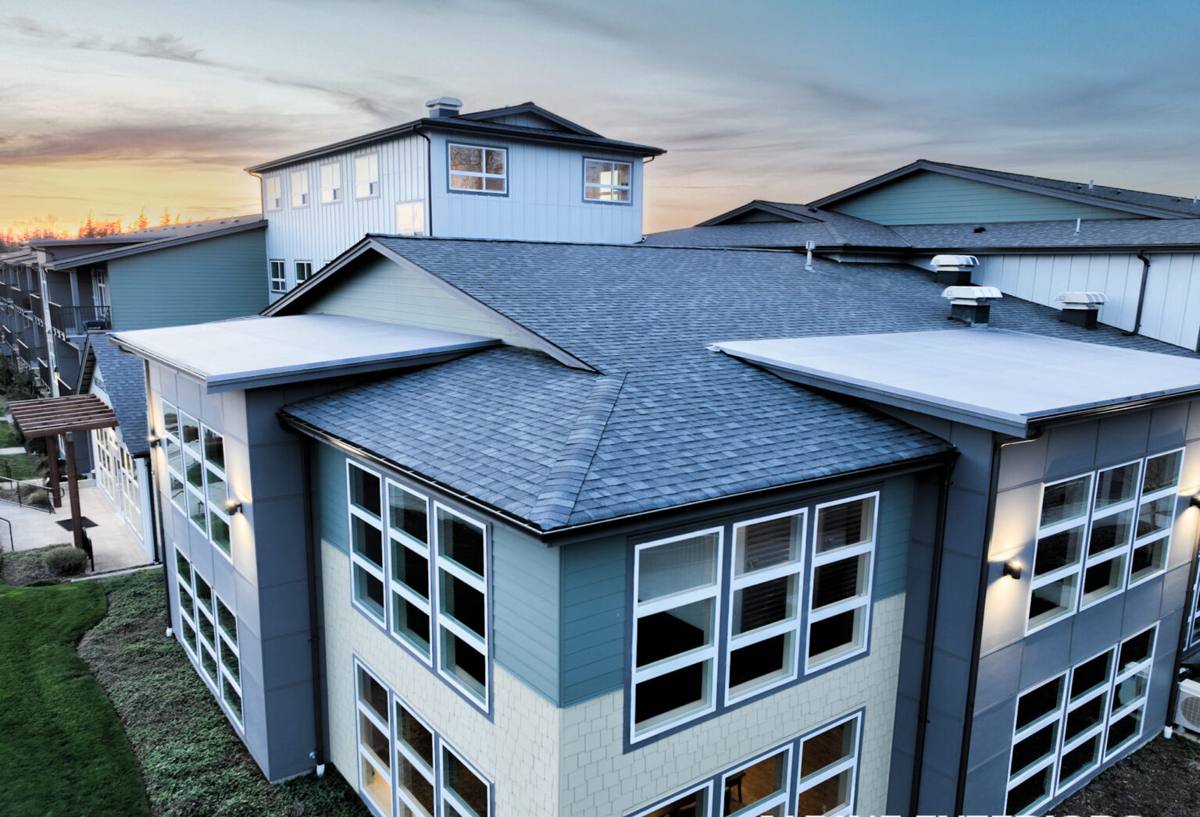
Why Sunnyland's Climate Makes the Details Non-Negotiable
Bellingham sits close enough to salt water that homes throughout the city, including Sunnyland, deal with a steady mix of moist marine air and airborne salt over the life of a siding job. Add in driving rain that comes off the water at an angle rather than falling straight down, and you've got a wall assembly that's regularly asked to shed water sideways, not just downward. Board and batten siding is more exposed to this than horizontal lap siding in one specific way: every vertical seam between boards, and every batten covering a seam, is a potential path for wind-driven water to work its way behind the cladding if it isn't detailed correctly.
Then there's moss. Bellingham's long wet season, combined with mature tree canopy common in older neighborhoods like Sunnyland, keeps shaded north- and west-facing walls damp for extended stretches most winters. Moss and algae don't just look bad — sustained moisture sitting against a wall surface is exactly the condition that causes problems for siding materials that can't handle it, and it's a major reason material choice matters as much as installation quality on this kind of job.
What This Means for a Vertical Siding Job Specifically
- Every vertical joint needs a real drainage path behind it, not just a batten nailed over the seam
- Fastener placement has to avoid trapping water at the board edges
- North- and shade-facing elevations need siding that tolerates prolonged dampness without degrading
- Corner and trim details need to shed water outward, away from the wall, not funnel it inward
What Correct Board & Batten Construction Actually Involves
Board and batten looks simple from the street — wide boards, narrow battens over the seams — but a correctly built wall has several layers working together behind what you can see.
The Rainscreen Gap
Modern fiber cement board and batten should be installed over a drainage gap, not tight against the sheathing. That gap lets any moisture that does get past the outer cladding drain and dry out instead of sitting against the wall assembly. Skipping this step is one of the most common corners cut on vertical siding jobs, because it's invisible once the siding is up.
Weather-Resistive Barrier and Flashing
A continuous weather-resistive barrier goes down first, with flashing integrated at every window, door, and penetration so water is directed out and away from the wall, never trapped behind the boards. On a board and batten wall, flashing detail at the base of the wall and at any horizontal transitions matters even more than usual, since the vertical boards funnel water straight down toward those points.
Fastening and Batten Placement
Boards and battens need to be fastened according to the manufacturer's engineering — correct nail size, spacing, and placement relative to the panel edges. Battens are typically fastened so they align with the framing behind the boards, covering the seam without relying on caulk alone to keep water out long-term.
James Hardie Board & Batten: The Only System We Install
We install James Hardie fiber cement exclusively, and board and batten is no exception. For this style, that generally means HardiePanel vertical siding paired with HardieTrim battens, or the Hardie Artisan Collection where a more refined, tighter-reveal look is wanted. Both are engineered fiber cement products, not wood or wood composite, which matters directly for the moisture and moss issues Sunnyland homes face.
Built for This Climate
James Hardie manufactures siding in different formulations for different climate zones, and the HZ5 product line is engineered specifically for regions like the Pacific Northwest that see heavy, sustained moisture. That engineering is part of why we standardized on Hardie rather than offering multiple brands — the product going on a Sunnyland home is built for exactly the conditions it will face, not a generic national spec.
ColorPlus Factory Finish
Hardie's ColorPlus finish is baked on at the factory under controlled conditions, rather than field-painted after installation. On a board and batten wall, that matters because the deep shadow lines and multiple joint faces make touch-up painting more visible if the finish is uneven — a factory finish keeps the color consistent across every board and batten on the wall.
Non-Combustible Material
Fiber cement is non-combustible, which is a genuine advantage over wood board and batten in particular, independent of the moisture question. It's one more reason we don't install wood, primed spruce, or wood-composite versions of this style.
Comparing Board & Batten Material Options
Homeowners researching board and batten often come across several material options. Here's an honest comparison of how they hold up under Sunnyland's conditions.
| Material | Moisture/Moss Resistance | Salt Air Durability | Maintenance | Typical Longevity |
|---|---|---|---|---|
| James Hardie fiber cement | Strong when installed with proper rainscreen and flashing | Engineered for coastal/marine climates (HZ5 line) | Occasional washing; factory finish reduces repainting | Multiple decades with correct install and upkeep |
| Wood/primed spruce | Vulnerable to rot and moss retention without diligent upkeep | Can degrade faster in salt-laden moist air | Regular repainting and sealing required | Shorter without consistent maintenance |
| Vinyl board and batten | Doesn't rot, but seams and panels can trap moisture behind them | Can become brittle over time; color can fade | Low, but damage often means full-panel replacement | Variable; sensitive to impact and heat |
| LP SmartSide (wood-based) | Engineered wood product; performs best with strict maintenance schedule | Manufacturer maintenance requirements apply in marine climates | Scheduled caulking/repainting per warranty terms | Warranty-dependent on maintenance compliance |
We don't install the wood, vinyl, or engineered-wood options above — this table reflects our honest read on the trade-offs, not a claim that those products can't be used well elsewhere.
Our Process for a Sunnyland Board & Batten Project
The work follows the same sequence on every job, because skipping steps is where problems start.
- Assessment: We look at the existing wall assembly, exposure on each elevation, and any moss or moisture staining already present, especially on shaded sides of the house.
- Tear-off and prep: Old siding comes off, sheathing is inspected for hidden moisture damage, and any repairs are made before anything new goes on.
- Weather-resistive barrier and flashing: A continuous barrier goes down, with flashing detailed at every window, door, and penetration.
- Rainscreen installation: A drainage gap is built in behind the siding so the wall can dry if moisture ever gets past the surface.
- Board and batten installation: HardiePanel or Artisan boards go up per manufacturer fastening specs, with battens placed and fastened over the seams.
- Trim and detail work: Corners, transitions, and base details are finished to shed water outward and away from the wall.
- Cleanup and walkthrough: We walk the finished job with the homeowner before calling it done.
Living With Board & Batten Through a Long Moss Season
Even correctly installed fiber cement siding benefits from a little attention during Bellingham's wetter months, especially on shaded walls.
- Rinse shaded, north-facing walls occasionally to discourage moss and algae buildup
- Keep gutters clear so overflow doesn't run down the face of the siding
- Trim back vegetation that keeps a wall section shaded and damp longer than the rest of the house
- Check caulking at trim and penetrations periodically, and have any cracked sealant addressed promptly
- Watch for staining at the base of walls, which can signal a drainage or grading issue rather than a siding problem
Why Hiring a Crew That Already Works in Sunnyland Matters
Sunnyland's housing stock spans decades of construction methods, and older homes in particular can have sheathing, framing, or moisture conditions behind the existing siding that aren't obvious until the old material comes off. A crew that regularly works this part of Bellingham has a better sense of what to expect once a wall is opened up, and how to adjust the flashing and drainage plan for what's actually there rather than a textbook assumption.
There's also a practical side to it: knowing how to get the right Hardie profiles, battens, and ColorPlus colors ordered and delivered without delays, understanding how Bellingham's weather patterns affect scheduling and cure times during installation, and being available afterward if a warranty question comes up. Board and batten is an unforgiving style to get wrong, since every seam is visible and every mistake shows up as a straight vertical line down the wall. Getting it right the first time matters more here than with almost any other siding style.
If you're considering board and batten siding for a home in Sunnyland, we're happy to take a look and talk through what your specific walls need. The estimate is free, there's no pressure, and you'll get a straight answer about what the job actually involves.