 Bellingham Siding
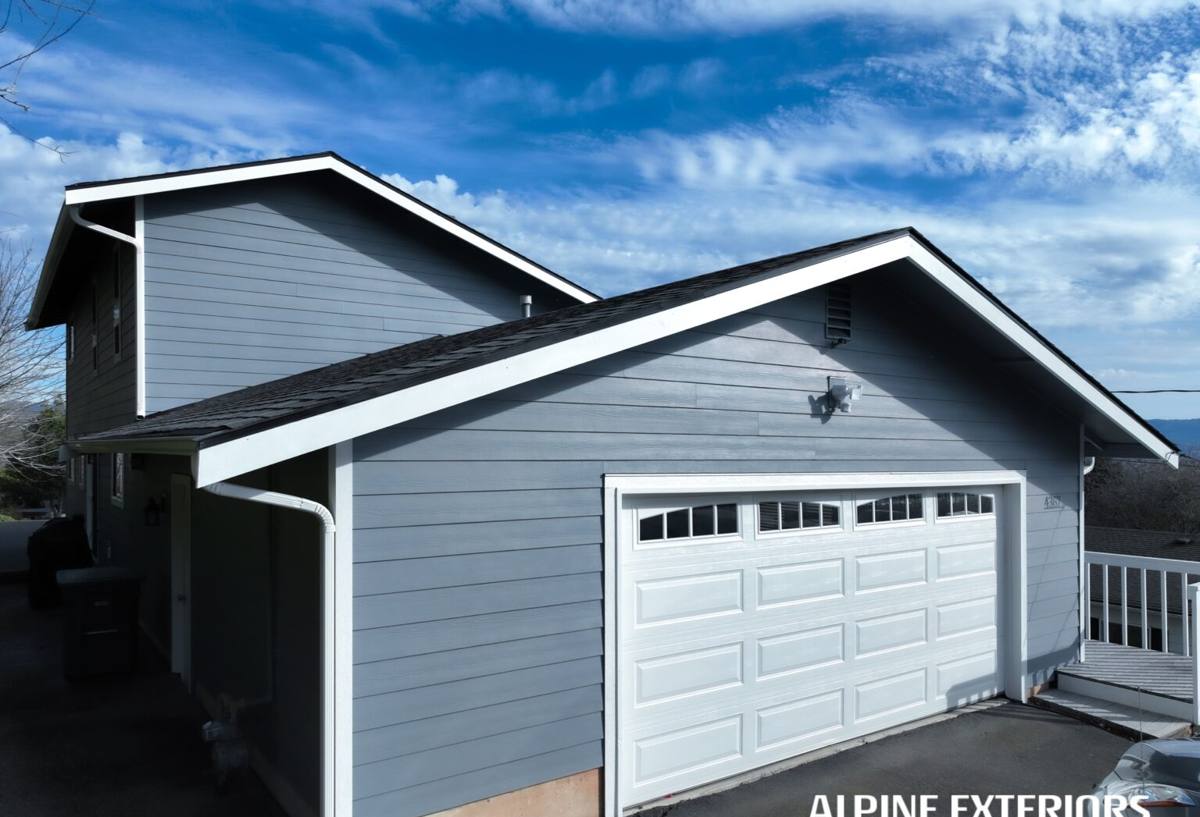
 New Roof Installation in Blaine, Washington
Blaine sits right on Semiahmoo Bay at the top of Whatcom County, and that location shapes what a roof has to survive here. Salt-laden air off the water, wind-driven rain that comes in sideways during winter storms, and a moss season that can run eight months out of the year all put more stress on a roof system than most manufacturers account for in their standard warranty language. A roof installed the same way you'd install one in a dry inland climate will not perform the same way in Blaine. We install roofs specifically for this environment, and we've done it enough times in this part of the county to know where the shortcuts show up years later.
This page covers what a correct new roof installation looks like for a Blaine home, the decisions that matter most, and how we run the job from first look to final walk-through.
What Blaine's Climate Actually Does to a Roof
Salt Air and Corrosion
Properties near Semiahmoo Bay and the Drayton Harbor shoreline deal with airborne salt that accelerates corrosion on exposed metal — fasteners, flashing, vent caps, and gutter hardware. Standard electro-galvanized fasteners can start showing rust streaks on a roof well before the shingles themselves are due for replacement. We spec corrosion-resistant fasteners and flashing metals for any home within reach of that salt air, not just the ones directly on the water.
Driving Rain and Wind
Storms coming off the Strait of Georgia don't always fall straight down. Wind-driven rain gets pushed sideways and upward under eaves, around chimneys, and at wall-to-roof transitions. This is a wind-and-water problem, not just a shingle problem — it's solved with underlayment coverage, proper flashing laps, and fastening patterns rated for local wind exposure, not just code minimums.
Moss and Prolonged Moisture
Blaine's mix of tree cover, marine humidity, and long shaded roof cycles in the fall and winter creates ideal conditions for moss and algae growth. Moss isn't just cosmetic — it holds moisture against the roof surface, works its way under shingle tabs, and lifts material over time. A roof that isn't detailed with moss in mind will need more aggressive maintenance and will age faster on the north-facing and shaded slopes.
What a Correct Roof Installation Involves
A new roof is more than laying shingles over the old ones or a bare deck. The parts that actually determine how long a roof lasts in this climate are mostly things you can't see once the job is done.
- Full tear-off and deck inspection. We remove existing roofing down to the deck so we can check for rot, soft spots, and prior water damage before anything new goes down.
- Ice-and-water shield at vulnerable zones. Eaves, valleys, and roof penetrations get self-adhered waterproof underlayment, not just standard felt, because these are the spots wind-driven rain and ice dams find first.
- Synthetic underlayment across the field. A high-quality synthetic underlayment gives a second line of defense under the shingles for the entire roof, not just the high-risk areas.
- Corrosion-appropriate flashing and fasteners. Step flashing, counter-flashing, and fasteners chosen for salt-air exposure rather than generic galvanized stock.
- Balanced ventilation. Intake at the eaves and exhaust at the ridge, sized to the attic, so moisture doesn't get trapped under the deck and accelerate rot or moss growth from underneath.
- Moss-resistant material selection where it makes sense. Algae-resistant shingle products and, where appropriate, zinc or copper strips at the ridge to reduce moss regrowth on shaded slopes.
Choosing the Right Roofing Material for Blaine
There isn't one "best" roofing material for every home — the right choice depends on the roof's pitch, sun and shade exposure, budget, and how the home is used. Here's how the common options compare for a coastal Whatcom County property.
| Material | Salt Air Performance | Moss Resistance | Typical Lifespan Here |
|---|---|---|---|
| Architectural asphalt shingle | Good, with proper metal accessories | Good with algae-resistant granules | 25–30 years |
| Standing seam metal | Very good with coastal-rated coatings | Excellent — sheds moss naturally | 40–50+ years |
| Cedar shake | Fair — needs regular maintenance | Poor without diligent upkeep | 20–25 years with maintenance |
| Synthetic composite shingle/shake | Very good | Good | 30–40 years |
For most Blaine homes we lean toward architectural asphalt or standing seam metal, because both hold up well against salt exposure when the accessory metals and fasteners are specified correctly, and both take moss-resistant treatments well. Cedar can still be the right call on the right home, but it comes with a maintenance commitment that not every owner wants, and we'll be straightforward with you about that trade-off before you commit to it.
Our Installation Process
1. On-Site Assessment
We walk the roof, check the attic for ventilation and moisture issues, and look at how the home sits relative to wind and sun exposure. Every Blaine property is a little different depending on how close it is to the water and how much tree cover surrounds it.
2. Written Scope and Estimate
You get a clear, itemized scope — materials, underlayment plan, flashing details, ventilation changes if needed — so you know exactly what you're paying for and why. No vague line items.
3. Tear-Off and Deck Repair
Old roofing comes off, the deck gets inspected board by board, and any soft or rotted sheathing is replaced before new underlayment goes down.
4. Underlayment and Flashing
This is where the real weatherproofing happens — ice-and-water membrane at eaves and valleys, synthetic underlayment across the field, and new flashing at every penetration, wall, and chimney.
5. Roofing Material Installation
Shingles, panels, or shakes go down to manufacturer spec and to the fastening pattern appropriate for local wind exposure — not just the minimum the material allows.
6. Ventilation Check and Cleanup
We confirm intake and exhaust ventilation is balanced, then do a full site cleanup including a magnetic sweep for stray fasteners.
7. Final Walk-Through
We walk the finished roof with you, explain what was done, and answer any questions before we consider the job complete.
Signs a Blaine Roof Needs Replacement, Not Repair
- Granule loss heavy enough that you're finding sand-like debris in gutters every season
- Shingles curling, cupping, or cracking, especially on south- and west-facing slopes
- Persistent moss growth that returns within a season or two of cleaning
- Soft spots or sagging visible from the ground or felt when walking the roof
- Daylight visible through the attic decking, or water stains on interior ceilings
- Flashing that's rusted, lifted, or missing around chimneys and vents
- A roof approaching or past the manufacturer's rated lifespan for its material
If a roof is showing one or two of these signs and is otherwise sound, a repair may be the right call. Multiple signs at once, or a roof already past its expected service life, usually means repair costs start to outpace what a full replacement would cost over the same stretch of years.
What Affects the Cost of a New Roof in Blaine
| Factor | Why It Matters |
|---|---|
| Roof size and pitch | More square footage and steeper pitches mean more material and labor time |
| Material choice | Asphalt, metal, and cedar carry different material and installation costs |
| Deck condition | Rotted or damaged sheathing found during tear-off adds repair cost |
| Number of penetrations | Chimneys, skylights, and vents each require additional flashing work |
| Ventilation upgrades | Adding or correcting intake/exhaust venting adds scope but pays off long-term |
| Access and site conditions | Steep sites, limited driveway access, or tall trees can affect labor and disposal |
We don't quote roofs over the phone with a square-footage guess. Every estimate we give is based on an actual look at your roof and attic, so the number you get is the number you can plan around.
Why a Local Bellingham Crew Matters for a Blaine Roof
Blaine is close enough to Bellingham that we're up there regularly, and that familiarity matters. We know which parts of the roof take the worst of the wind off the Strait, which shaded slopes hold moss longest into the summer, and which fastener and flashing choices actually hold up against the salt air near the bay — because we've gone back and looked at our own work on homes in this area over time. A crew that only sees Blaine once won't have that reference point. Whatcom County's building requirements and the realities of installing on a coastal roof are also things we work with constantly, not something we're looking up for the first time on your job.
If you're weighing a repair against a full replacement, or you just want a straight answer on what your roof actually needs, we're happy to take a look. Fill out the form below for a free, no-pressure estimate — we'll walk the roof, tell you what we see, and give you a clear, itemized quote with no obligation.