 Bellingham Siding
 Siding Repair Built for Birchwood's Climate
Birchwood sits in one of Bellingham's older, well-established neighborhoods, with a mix of housing stock that spans decades of construction styles and siding materials. What almost every home here has in common is exposure to the same Whatcom County weather pattern: damp Pacific air rolling in off Bellingham Bay, long stretches of driving rain through fall and winter, and a moss season that can run from October clear into May. That combination is hard on siding no matter what it's made of, and it's why repair work in this neighborhood tends to look different from repair work in a drier inland climate.
When we get a call for siding repair in Birchwood, we're rarely looking at a single, isolated problem. Moisture damage tends to show up in clusters — a soft spot near a downspout, cupped boards on the north-facing wall, moss creeping up from the foundation line — because the underlying cause (sustained dampness) is the same across the whole exterior. A proper repair addresses the cause, not just the visible symptom.
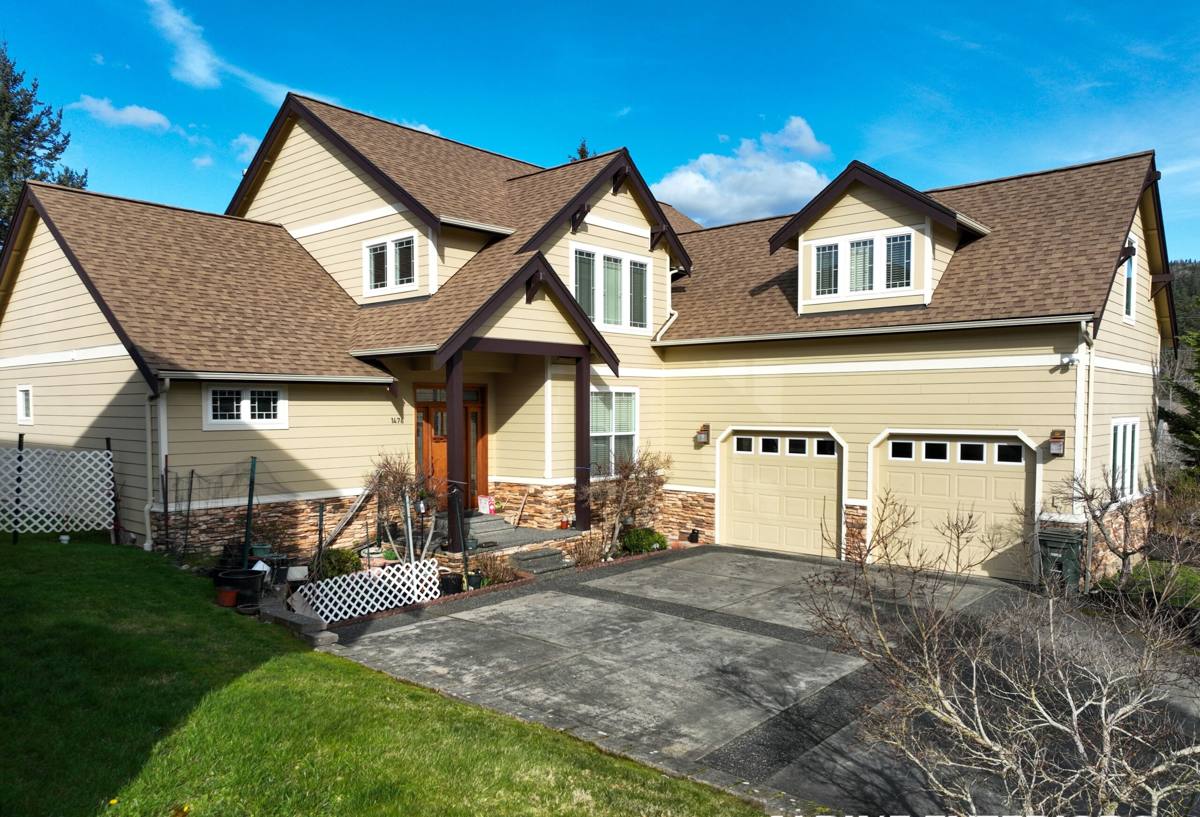
What Bellingham's Weather Actually Does to Siding
Salt Air and Corrosion
Birchwood's proximity to Bellingham Bay means homes here get low-level salt exposure carried in on marine air. Salt air accelerates corrosion on any exposed metal fasteners, flashing, and trim, and it can gradually break down finishes on siding materials that weren't engineered for coastal conditions. Over years, this shows up as rust streaking below nail heads, pitted flashing, and paint that fails faster than it should.
Driving Rain and Wind-Driven Moisture
Bellingham doesn't just get rain — it gets rain pushed sideways by wind off the water, which forces moisture into laps, seams, and butt joints that would stay dry in a calmer climate. Siding systems and installation details that work fine in a sheltered inland yard can fail here if the laps aren't generous enough or the flashing wasn't detailed for wind-driven exposure.
Moss and Sustained Dampness
A long moss season means siding, especially on shaded north and east-facing walls, stays damp for extended stretches. Moss and algae hold moisture against the siding surface, which is exactly the condition that causes rot in wood-based products and accelerates coating breakdown on any material. Left unaddressed, a mossy wall isn't just a cosmetic issue — it's a slow-moving moisture problem.
Common Repair Calls We See in Birchwood
- Soft, spongy, or delaminating boards near ground level or below gutters and downspouts
- Cupping, buckling, or warping on shaded, north-facing walls
- Rust staining and corroded fasteners from years of salt air exposure
- Moss and algae buildup along lower courses and under overhangs
- Cracked or failed caulking at trim, window, and corner joints letting water behind the siding
- Damaged flashing at butt joints, allowing wind-driven rain to track behind boards
- Impact damage from storms, falling branches, or landscaping equipment
What a Correct Repair Actually Involves
A siding repair that just patches the visible board and leaves everything else in place often fails again within a season or two, because it never dealt with the moisture path that caused the damage. Here's what we check on every repair call in Birchwood, not just the spot the homeowner pointed to:
1. Find the Moisture Source First
Before replacing anything, we trace where water is actually getting in. That might be a gap in the flashing, a failed caulk joint, a gutter dumping water against the wall, or siding installed too close to grade. Replacing a damaged board without fixing the entry point just buys you a repeat repair.
2. Inspect the Water-Resistive Barrier
Once siding is off, we check the condition of the house wrap or building paper underneath. If it's torn, degraded, or missing in the repair area, we replace it — this layer is what protects your wall sheathing if moisture does get past the siding surface, and it's especially important given how much wind-driven rain this area sees.
3. Match Flashing and Lap Details to Local Exposure
Repairs get flashed and lapped to handle driving rain, not just installed to minimum spec. That means proper head flashing above trim, correct lap sequencing so water sheds outward, and sealant only where it belongs — never as a substitute for correct flashing.
4. Address Moss and Organic Growth at the Root
If moss or algae contributed to the damage, we clean the affected area properly and look at why that section stays wet longer than the rest of the wall — often a shading or drainage issue that's worth flagging even if it's outside the immediate repair scope.
5. Match Materials and Finish
Repairs should blend in, not stand out as an obvious patch. We match profile, reveal, and color as closely as the existing material allows, and we're upfront when an exact match isn't possible due to product discontinuation or fading on the existing siding.
Repair vs. Replacement: How We Help You Decide
Not every damaged section needs a full re-side, but repair isn't always the cheaper long-term option either. Here's how we walk Birchwood homeowners through that decision:
| Factor | Favors Repair | Favors Replacement |
|---|---|---|
| Extent of damage | Isolated to one or two wall sections | Spread across multiple elevations |
| Underlying material | Sound siding, damage is localized | Widespread rot, delamination, or material failure |
| Age of existing siding | Newer, still within expected service life | Near or past end of expected lifespan |
| Cause of damage | One-time event (impact, isolated flashing failure) | Systemic moisture exposure across the exterior |
| Material match | Discontinued product still patchable | Product no longer available or badly faded |
When damage is widespread or tied to a material that's struggled with our climate for years, we'll say so plainly rather than stringing along a series of repairs that won't hold up.
Why the Siding Material Matters for Long-Term Repair Costs
We install James Hardie fiber cement siding exclusively, and this is a big part of why. Hardie's HZ5 product line is engineered specifically for climates like ours — freeze-thaw cycles, sustained moisture, and coastal exposure — and its ColorPlus factory finish is baked on and warranted against fading and peeling in a way field-applied paint can't match. Fiber cement doesn't rot, and it stands up to the moss and algae exposure that's hard on wood-based and some engineered wood siding products in shaded, damp conditions.
That doesn't mean Hardie siding never needs repair — impact damage, caulk failure, and flashing issues can happen to any material. But when we do repair work on Hardie siding, we're not fighting the material itself; the fixes tend to be durable because the underlying product isn't degrading on its own. That's a meaningfully different conversation than repairing siding that's failing because the material itself has reached the end of what it can handle in this climate.
Our Repair Process in Birchwood
- Inspection: We walk the full exterior, not just the damaged spot, since moisture problems in this climate rarely stay isolated.
- Diagnosis: We identify the actual cause — flashing, caulking, grading, drainage, or material failure — and explain it in plain terms.
- Written estimate: You get a clear scope of work and cost range before anything is touched, including whether repair or partial replacement makes more sense.
- Repair: We remove damaged material, correct the underlying moisture issue, and rebuild with matched or compatible materials.
- Final check: We confirm flashing, laps, and caulking are correctly detailed for wind-driven rain before calling the job done.
Why a Crew That Already Works Birchwood Matters
Siding repair here isn't generic exterior work — it's shaped by Whatcom County's specific weather pattern. A crew that regularly works this neighborhood already knows which wall orientations tend to hold moisture, how salt air affects fasteners and finishes over time, and what moss buildup usually indicates about drainage or shading. That local pattern recognition means fewer surprises once we open up a wall, and repair details that are built for how weather actually behaves here rather than a one-size-fits-all approach.
It also means we're not guessing at material availability or matching — we know what's realistic to blend with existing siding in this area and when it's more honest to recommend a broader repair or partial re-side instead of chasing a patch that won't hold.
Signs You Shouldn't Ignore
- Soft or spongy siding when pressed by hand
- Visible cupping, warping, or separation at seams
- Persistent moss or algae that returns quickly after cleaning
- Rust streaking below fasteners or trim
- Peeling or bubbling paint concentrated in one area
- Interior signs like musty smells or damp drywall near exterior walls
Catching these early keeps a repair a repair, instead of letting it grow into a wall-sheathing problem.
If you're seeing any of these signs on a Birchwood home, we're happy to take a look and give you a straight answer — repair, partial replacement, or full re-side — along with a free, no-pressure estimate.