 Bellingham Siding
 Building New in Barkley? The Windows Are Where Problems Start — or Never Start at All
Barkley sits east of downtown Bellingham as one of the area's more active pockets of new residential construction, with a steady mix of single-family builds and townhome-style infill going in over the past several years. If you're framing a new home there, the windows are one of the few building components that touch nearly every other trade: framing, weather-resistive barrier, siding, trim, insulation, and interior finish all reference the window opening. Get that detail right once, during construction, and it stays right for decades. Get it wrong, and it's usually hidden behind siding and drywall by the time anyone notices — which in Bellingham's climate can mean years of slow water intrusion before a stain or a soft spot in the wall gives it away.
New-construction window installation is a different job than replacement work. There's no old window to reference, no existing flashing to tie into — you're building the water management system for that opening from scratch, on a bare rough opening, working directly off the framing and the WRB. That's an advantage if it's done correctly, because you control every layer. It's also where corners get cut when a crew is moving fast to keep a build schedule.
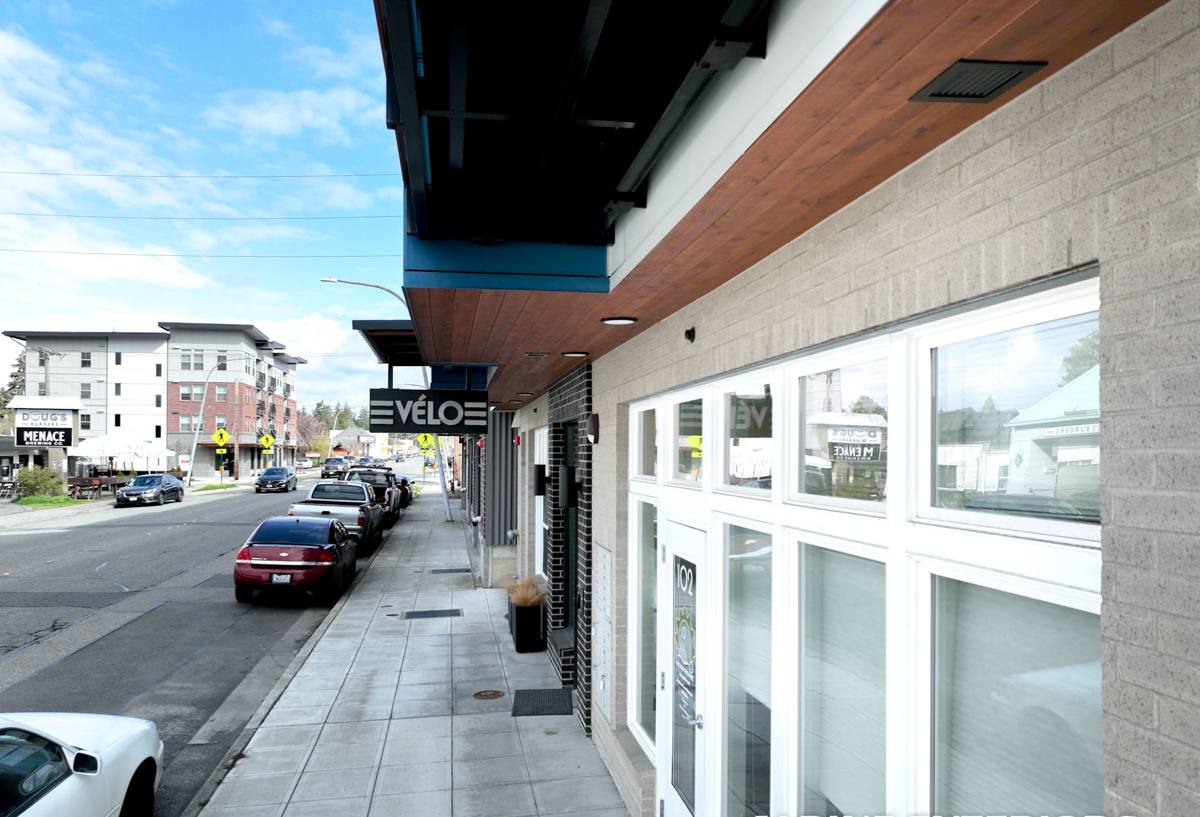
What Bellingham's Climate Demands From a New Window Opening
Whatcom County doesn't get the heaviest rainfall in the state, but it gets long, low-intensity, wind-driven rain that lasts for days at a time — and Barkley's location near Bellingham Bay means homes here also deal with a steady dose of salt-laden air. That combination matters for new construction in a few specific ways:
- Wind-driven rain finds gaps, not just open surfaces. Rain here doesn't fall straight down as often as it gets pushed sideways against west- and south-facing walls, which puts real pressure on vertical and head flashing details.
- Extended damp periods mean slow leaks go unnoticed longer. A poorly flashed opening in a dry climate might show a stain in one storm. Here, moisture can migrate for a full wet season before it's visible inside.
- Salt air accelerates corrosion on the wrong fasteners and hardware. Coastal proximity is a real factor in choosing nails, flashing tape, and window hardware finishes — not just the glass and frame.
- Long moss season signals a damp building envelope generally. If moss thrives on your roof and north-facing surfaces for much of the year, that's the same moisture load your window flashing has to shed, day after day.
None of this requires exotic materials. It requires a flashing sequence and product selection that assumes water WILL reach the opening, and gives it a controlled path back out — every time, not just in a light drizzle.
What a Correct New-Construction Install Actually Involves
The Sequence Matters More Than the Window Itself
A premium window installed with a sloppy flashing sequence will leak. A mid-grade window installed correctly will not. The order of operations is the real product here:
- Rough opening check — squared, correctly sized with manufacturer-specified tolerances, and structurally sound before anything else happens.
- Sill pan flashing — a sloped, sealed pan at the bottom of the opening so any water that does get past the window has a dedicated path outward, away from the framing.
- WRB integration — the weather-resistive barrier is cut and lapped in the correct shingle-style order so water sheds over each layer, never into a seam.
- Window set and fastening — nail-fin or flange windows set plumb, level, and square, fastened per the manufacturer's schedule so the frame isn't racked or bowed.
- Jamb and head flashing — side flashing lapped over the sill pan, head flashing lapped over the side flashing and integrated back into the WRB above the opening — never taped on as an afterthought.
- Sealant at the right joints only — sealed where it should be, left open where it needs to drain (the bottom of the frame is not a place to caulk solid).
Skip or reorder any one of these steps and you can have a window that looks perfect from both sides of the wall and still fails in year three.
A Simple Checklist for Homeowners and Builders to Verify
- Sill pan flashing installed and sloped before the window ever goes in
- WRB lapped shingle-style — upper layers over lower, never reversed
- Flashing tape compatible with both the WRB and the window flange material
- Fasteners rated for the coastal/salt-air exposure, not generic interior-grade hardware
- No solid bead of caulk across the bottom of the window frame
- Head flashing extends past the jamb flashing on both sides
- Rough opening documented as square and to size before window delivery
Choosing Window Products for a Barkley New Build
Frame material and glazing package should match the exposure of the specific wall, not just a builder's default spec. Here's how the common options compare for a Whatcom County new build:
| Frame Material | Moisture/Salt-Air Behavior | Maintenance | Best Fit |
|---|---|---|---|
| Vinyl | Won't corrode or rot; performs well in coastal air | Low — occasional cleaning | Most walls, budget-conscious builds |
| Fiberglass | Very stable in temperature swings and moisture; strong against salt exposure | Low | Exposed west/south walls, larger openings |
| Wood-clad | Good if cladding and flashing details are done precisely; interior wood still needs protection from any interior condensation | Moderate — finish upkeep over time | Interior-facing aesthetic priorities, protected elevations |
| Aluminum | Prone to corrosion in salt air unless properly coated; higher thermal transfer | Moderate to high | Limited use, typically commercial-style openings |
Glazing matters too. Double-pane, low-E glass with argon fill is the practical standard for this climate — it manages both our wet winters and our condensation risk without pushing into diminishing returns on cost. U-factor and solar heat gain coefficient should be selected per elevation, since a north-facing window in a shaded Barkley lot has different needs than a south- or west-facing one catching more direct rain and sun.
How We Approach a Barkley New-Construction Window Job
Before the Windows Arrive
We review the plans and rough openings against the specified window sizes before the units are even ordered, so there's no last-minute reframing once product shows up on site. We also coordinate directly with the framing and siding schedule — window installation has to happen at the right point in the build sequence, not whenever it's convenient, so the WRB and flashing layers go on in the correct order relative to siding.
During Installation
Every opening gets the same flashing sequence regardless of which elevation it's on — sill pan, WRB lap, window set, jamb flashing, head flashing, sealant only where it belongs. We don't vary the process by "how exposed" a wall looks, because exposure in Bellingham changes with the season and the storm track, not just the compass direction.
Before We Leave the Site
We check that every window operates correctly (opens, closes, locks without binding), that exterior flashing is fully integrated and not just taped over gaps, and that nothing is left exposed to weather before the next trade's work covers it. On a new build, windows often sit flashed-but-not-sided for a period of time — we make sure that intermediate state can still shed water if a storm rolls through before the siding crew is on site.
Why Hire a Crew Already Working in Barkley
New-construction window work isn't a standalone task — it's a handoff point between framers, the WRB/weatherproofing step, and siding. A crew that already works Barkley builds understands the typical lot conditions, the pace of the local building department's inspections, and how other trades on these job sites sequence their work, which cuts down on the coordination friction that causes delays or rushed installs. We're not learning the neighborhood on your project; we're applying what already works on the homes going up around it.
We also know what fails here specifically. Bellingham and greater Whatcom County's wind-driven rain and long wet season punish shortcuts that might get away with it in a drier climate. A flashing detail that would be "good enough" somewhere with less rainfall isn't good enough on a Barkley lot exposed to weather off the Sound for months at a time.
What This Means for Your Build Timeline and Budget
Doing the flashing sequence correctly doesn't meaningfully slow down a build schedule or add significant cost — it's largely a matter of sequencing and attention to detail rather than extra materials. Where cost does vary is in frame material choice, glazing package, and window size/count, which is normal and worth discussing openly against your specific plans and elevations rather than guessing at a number in the abstract.
Get a Straightforward Look at Your Barkley Build
If you're framing a new home in Barkley or working with a builder who needs a window subcontractor who won't need hand-holding on flashing sequence, we're happy to walk your plans and rough openings with you. Reach out for a free, no-pressure estimate — there's a form below to get that conversation started.