 Bellingham Siding
 Storm Damage Roofing in York: What Makes This Neighborhood's Roofs Different
York sits close enough to Bellingham Bay that its homes take on a specific combination of stress most inland properties don't deal with as often: salt-laden air, driving wind-driven rain off the water, and a moss season that runs longer than almost anywhere else in the state. None of these show up as a single dramatic event most of the time. They show up as slow erosion — a lifted shingle tab here, a soft spot in the decking there — until a windstorm or a heavy atmospheric river event finds the weak point and turns it into an active leak.
We work roofs in York and the surrounding South Hill and Fairhaven-adjacent streets regularly enough to know which roof types in this specific pocket of Bellingham tend to fail first, and why. That local pattern recognition is the difference between a repair that actually addresses the cause of the damage and one that just patches the symptom.
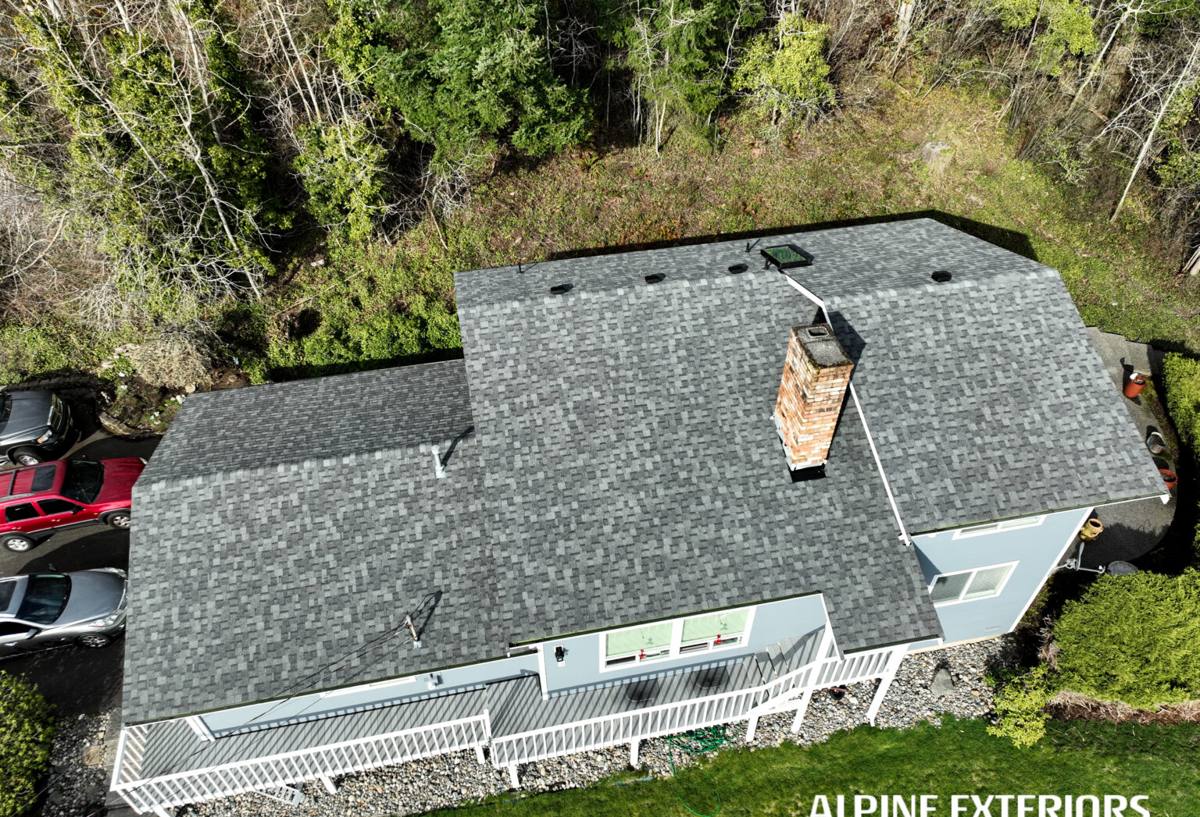
Why Whatcom County Storms Hit Roofs Differently
Storm damage in this part of Washington is rarely a single wind gust tearing a roof apart. It's usually a combination of factors stacking on top of each other over a wet season:
- Wind-driven rain off the bay: Storms tracking in from the Strait of Georgia hit York with rain pushed sideways, not just down. That means water finds gaps at flashing edges, ridge caps, and fastener lines that a straight-down rain would never reach.
- Salt air corrosion: Metal flashing, fasteners, and gutter hardware near the water corrode faster here than they would ten or fifteen miles inland. A fastener that's rusted through has no holding power left when a gust tries to lift a shingle edge.
- Extended moss season: Whatcom County's mild, wet winters give moss and moisture-loving growth a long runway. Moss doesn't just sit on top of a roof — it lifts shingle edges as it grows, holds standing moisture against the roof deck, and creates channels for wind to get underneath material that would otherwise stay put.
- Freeze-thaw cycling at the margins: Bellingham doesn't get deep freezes often, but the occasional cold snap on a roof that's already saturated from moss and rain can expand small cracks in flashing sealant or worn shingle mat.
Individually, none of these are catastrophic. Together, they're why a roof that looked fine in August can develop an active leak during the first real November storm.
What Storm Damage Actually Looks Like on a York Roof
Obvious Signs
Missing shingles, visibly bent or torn ridge cap, a gutter pulled loose from the fascia, or a tree limb resting on the roofline are easy to spot from the ground. If you see any of these after a windstorm, that's a clear signal to get it looked at before the next rain.
Signs Homeowners Miss
Most of the storm damage we get called out for in this area isn't obvious from the driveway. It looks like:
- Shingle tabs that are lifted or creased but not torn off — they still look "roughly intact" from the ground
- Flashing around chimneys, skylights, or roof-wall intersections that's been pushed slightly out of position
- Granule buildup in gutters or downspout runoff, which means shingle surface has been abraded by wind-blown debris or moss root systems
- A soft or spongy feel underfoot near a valley or eave — a sign water has already reached the decking
- Interior signs: a ceiling stain that appears days after a storm, not during it, because water is tracking along framing before it shows up inside
That lag between the storm and the visible interior sign is exactly why we recommend a roof check after any significant wind or rain event, even if nothing looks wrong from the street.
What a Correct Storm Damage Repair Involves
A storm repair done right isn't just "replace what's missing." It has to answer three questions: what got damaged, what got damaged that you can't see yet, and what condition was the roof in before the storm that made this damage possible.
1. Full-Roof Assessment, Not Just the Damaged Section
Wind and rain rarely limit their effects to one tidy area. We walk the whole roof plane, not just the spot that's visibly damaged, because a storm strong enough to tear one section loose is usually strong enough to have loosened fasteners and flashing seals elsewhere too.
2. Decking Check Before Any New Material Goes Down
If water has been getting under the roofing material — even for a short time — the decking underneath needs to be checked for soft spots or delamination. Laying new shingles over compromised decking is a short-term fix that fails again within a season or two.
3. Flashing and Fastener Review
Given how much salt-air corrosion affects hardware in York, storm repairs here should include a check of exposed fasteners and flashing, not just the shingle field. Corroded fasteners get replaced, not reused, even if they're not the direct point of failure.
4. Moss and Debris Clearing as Part of the Repair
If moss contributed to the failure — which it often does on shaded or north-facing sections in this area — clearing it and treating the surface is part of the repair, not a separate upsell. Leaving moss in place next to a fresh repair just sets up the same failure again.
5. Matching Material, Honestly
We'll always try to match existing shingle color and profile as closely as the manufacturer's current lineup allows. On older roofs, an exact match sometimes isn't possible because the original product has been discontinued — we'll tell you that up front rather than let you find out after the repair.
Our Process for York Storm Repairs
- Contact and initial description: Tell us what you noticed and when the storm hit. That timeline helps us prioritize active leaks over cosmetic damage.
- On-site inspection: We walk the roof (and check the attic or ceiling from inside, if accessible) to find both the obvious damage and anything the storm loosened but didn't fully detach.
- Written scope and estimate: You get a clear breakdown of what's damaged, what we recommend repairing versus monitoring, and a cost range before any work starts.
- Repair: Work is done to match your existing roofing system's material and installation method, not a generic patch.
- Post-repair check: We confirm flashing seals, fastener lines, and the repaired area are weather-tight before we consider the job done.
Repair vs. Replacement: How We Help You Decide
Not every storm-damaged roof needs a full replacement, and not every roof that looks fine after a storm is actually fine underneath. Here's a general breakdown of how we think through that decision:
| Situation | Usually Repair | Usually Replace |
|---|---|---|
| Damage limited to one section, roof under 15 years old | Yes | No |
| Decking soft or rotted in multiple areas | No | Yes |
| Roof already near end of expected material life | Sometimes, short-term | Yes, long-term |
| Heavy moss coverage across most of the roof | Sometimes, with treatment | Depends on shingle condition underneath |
| Isolated flashing or fastener failure | Yes | No |
| Multiple prior repairs already patched into the same area | Sometimes | Often, if patches are failing |
We'll always recommend the repair path when it genuinely solves the problem. If a roof is patched together from years of prior storm repairs and is starting to fail in multiple spots at once, we'll say so plainly rather than keep adding patches to a roof that's telling you it's done.
Insurance and Documentation
Most homeowner policies cover sudden storm damage — wind, falling limbs, hail where it occurs — though coverage details and deductibles vary by policy, so we're not going to make blanket promises about what your specific plan covers. What we can do is document the damage clearly with photos and a written scope of work that you can hand to your adjuster, and answer straightforward questions about what we found on the roof. That documentation tends to move claims along faster than a homeowner trying to describe roof damage from the ground.
A Quick Pre-Storm and Post-Storm Checklist
- Before storm season: clear gutters and downspouts so water has somewhere to go
- Before storm season: trim back tree limbs that overhang or brush the roofline
- Before storm season: have any existing moss growth addressed rather than left through winter
- After a significant storm: walk the yard and check for granules, shingle pieces, or flashing debris
- After a significant storm: look at ceilings and attic spaces for new staining, even faint
- After a significant storm: note the date and general conditions in case you need it for an insurance claim later
Why a Crew That Already Works York Matters
Storm damage repair isn't just about ladder work and shingles — it's about recognizing patterns specific to a location. A crew that regularly works roofs in this part of Bellingham already knows which roof ages and construction types in York tend to show salt-air fastener corrosion first, which sections typically hold moss longest through the wet season, and what a normal amount of wind exposure looks like here versus genuine storm damage. That local familiarity means less time spent diagnosing and more time spent fixing the actual cause, not just the visible symptom.
It also means a shorter response window. When a storm moves through Whatcom County, we're not driving in from across the region — we're already working in the area, which matters when an active leak is running during a rainstorm and every day of delay means more water reaching the decking and framing underneath.
If a recent storm left your York roof with missing shingles, lifted flashing, or a leak that's showing up inside, we're glad to take a look. Fill out the form below for a free, no-pressure estimate — we'll tell you honestly what we find and what it'll take to fix it right.