 Bellingham Siding
 Storm Damage Roof Repair for Sudden Valley Homes
Sudden Valley sits up against Lake Whatcom, tucked into tree cover and hillside terrain that changes how storms hit a roof compared to homes closer to downtown Bellingham. Wind gets funneled and gusty through the trees, branches and debris come down harder during winter blows, and the tree canopy that makes the neighborhood beautiful also means more shade, more moisture retention, and more moss working into your shingles year-round. When a storm damages a roof out here, the fix needs to account for all of that, not just patch what's visible from the ground.
We work in this neighborhood regularly, which matters more than it might seem. A roof in Sudden Valley isn't dealing with the same conditions as a roof out on the flats near Bellingham Bay or up in a more open subdivision. Knowing the local wind patterns, the tree exposure, and the moisture load changes what "correct repair" actually looks like.
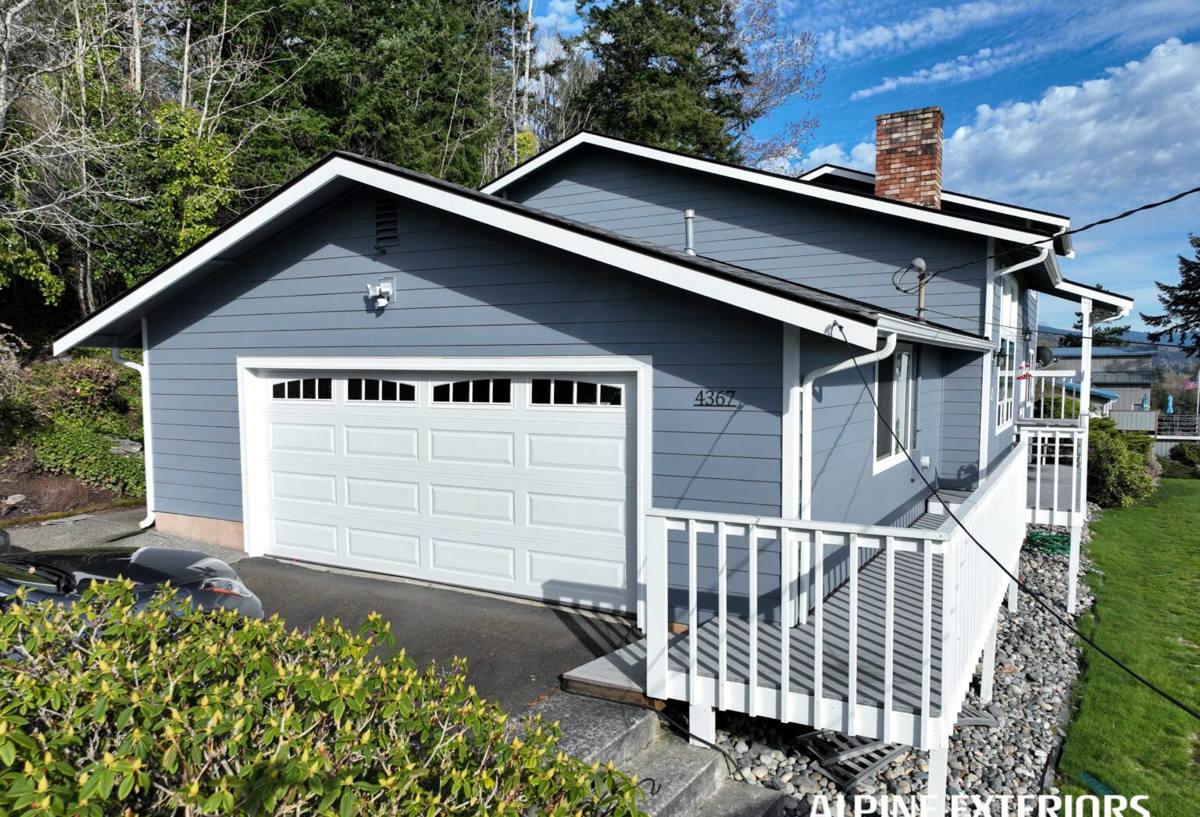
What Whatcom County Weather Does to a Roof
Bellingham's climate is a slow, steady grind on roofing more than it is dramatic single events. That said, storm damage still happens, and it tends to show up in a few consistent ways:
- Wind-lifted or torn shingles — gusts funneling through Sudden Valley's tree lines can catch an edge or a ridge cap and peel it back, especially on older roofs where the seal has already weakened.
- Branch and debris impact — the tree cover that defines the neighborhood also means falling limbs during high wind or heavy wet snow, which can crack shingles, dent flashing, or puncture the roof deck.
- Moss intrusion — Bellingham's long, damp moss season (basically fall through spring) lets moss establish itself under shingle tabs and around flashing, lifting materials and holding moisture against the roof deck long after the storm itself has passed.
- Driving rain intrusion — wind-driven rain off Lake Whatcom and the surrounding hills can push water sideways into gaps that would stay dry in a straight-down rain, finding weak points around flashing, vents, and valleys.
- Salt-tinged moisture — Bellingham's proximity to the Sound means the air carries some salt content even well inland, which slowly accelerates corrosion on exposed metal flashing, fasteners, and gutter systems over the life of a roof.
None of these are dramatic on their own, but they compound. A roof that loses a few shingles in a windstorm and then sits under wet, shaded conditions for a few weeks before repair is in a very different spot than one that gets addressed right away.
Why Storm Damage Gets Worse If It's Ignored
The biggest risk after a storm isn't usually the initial damage — it's what happens in the gap before repair. A lifted shingle or exposed nail hole doesn't leak every day, but every rain event pushes a little more moisture into the deck. In a wet, tree-shaded neighborhood like Sudden Valley, that moisture doesn't dry out quickly between storms the way it would on a sunnier, more exposed lot. Left long enough, you're looking at soaked insulation, stained ceilings, or rot in the roof deck itself — repairs that cost a lot more than the original shingle replacement would have.
What a Correct Storm Damage Repair Involves
A proper repair isn't just replacing the shingles you can see missing from the driveway. It starts with a full inspection and works through several layers:
- Full roof inspection, not just the damaged area. Wind and impact damage often extends beyond the obvious spot — we check the whole roof plane, not just where a limb landed or shingles are visibly gone.
- Deck condition check. Before any new shingle goes down, we confirm the roof deck underneath is dry and structurally sound. If water has been getting in for a while, this is where it shows.
- Flashing and valley review. Flashing around chimneys, vents, and roof valleys is where driving rain most often finds its way in. Storm damage frequently bends, loosens, or corrodes flashing even when the shingles nearby look fine.
- Moss and debris clearing. Any moss growth or trapped debris gets cleared before repair, since sealing shingles down over moss just traps moisture underneath and guarantees a repeat problem.
- Matching materials correctly. Shingle repairs should match the existing roof's material, color, and where possible, age/wear so the repair doesn't stand out or create a mismatched seal line.
- Gutter and drainage check. Storm debris often ends up in gutters and downspouts. If those are clogged, water backs up under the roof edge instead of draining away, undoing the repair.
Emergency Tarping vs. Permanent Repair
If a storm has left your roof actively leaking or with a significant hole, the first priority is stopping water intrusion, not doing the full permanent fix on the spot — especially if more weather is on the way, which in Bellingham is often the case for much of the year.
| Situation | What We Do | Timeline |
|---|---|---|
| Active leak, exposed deck, storm ongoing or expected soon | Emergency tarp-down to stop water intrusion immediately | Same day when possible |
| Storm has passed, damage is contained, no active leak | Inspect, document damage, schedule permanent repair | Typically within days |
| Isolated shingle or flashing damage | Direct repair without need for temporary tarping | Single visit in most cases |
| Widespread damage across multiple roof planes | Tarp critical areas first, then phase in full repair or discuss replacement | Tarp same day; repair scoped after inspection |
Tarping is a stopgap, not a fix. It buys time so the permanent repair can be done correctly instead of rushed, but it shouldn't be left in place any longer than necessary — a tarp itself can shift or fail in Sudden Valley's wind if it's not secured and maintained.
Why Local Experience in Sudden Valley Matters
A roofing crew that hasn't worked this specific neighborhood is guessing at a few things a local crew already knows: how the tree cover shades certain roof faces longer than others, which parts of the neighborhood catch more wind coming off the lake, and how quickly moss re-establishes itself given the shade and moisture here compared to a more open part of Bellingham.
That local knowledge changes the repair itself. We know to check north- and east-facing slopes more carefully for moss buildup, we know which flashing points tend to take the most wind-driven rain in this terrain, and we know the debris load from surrounding trees means gutters and drainage need extra attention as part of any storm repair, not as an afterthought.
What to Check Before Hiring Anyone for Storm Repair
- Are they licensed and insured in Washington State, and will they show you proof without you having to ask twice?
- Do they inspect the full roof, or just quote off what's visible from the ground or a photo?
- Will they document damage with photos before starting work, which matters for any insurance claim?
- Do they explain what caused the damage and why, or just what they're going to charge?
- Are they willing to tarp for safety first if the situation calls for it, rather than pushing straight to a bigger job?
- Do they have local references or a track record of working in your specific neighborhood?
After a storm, it's common for crews from outside the area to canvass damaged neighborhoods offering fast repairs. Some of that work is fine, but a lot of it is rushed, doesn't account for local conditions like moss and moisture, and isn't around six months later if something wasn't done right.
Cost Factors for Storm Damage Roof Repair
Every storm repair is different, but a few factors consistently drive the scope and cost of the job:
| Factor | Why It Matters |
|---|---|
| Extent of shingle damage | A handful of shingles is a small repair; wind damage spread across a full slope is a bigger one |
| Roof deck condition | If water has already reached the deck, that adds material and labor beyond the visible shingle repair |
| Flashing and valley damage | Flashing repair or replacement requires more precise work than shingle swaps and affects long-term watertightness |
| Moss and debris removal | Roofs with heavy moss buildup need cleaning before repair, which adds time but prevents repeat failure |
| Roof access and pitch | Steeper roofs or ones with tricky access due to trees and terrain take longer and require more safety setup |
| Material matching | Older roofs where the original shingle is discontinued may need a broader match strategy to avoid a visible patch |
We give straightforward, itemized estimates so you know what you're paying for and why — not a vague lump sum. If your homeowner's insurance is covering the claim, we'll work with the documentation they need without inflating the scope of work to pad a claim.
Preventing the Next Storm From Doing the Same Damage
Once the immediate repair is done, a few things reduce the odds of repeat storm damage on a Sudden Valley roof:
- Trimming back tree limbs that overhang the roofline, since those are the most common source of impact damage in wind and heavy wet snow.
- Scheduling moss treatment and removal on a regular cycle rather than waiting until it's visibly thick, since moss does most of its damage underneath shingles where you can't see it.
- Keeping gutters and downspouts clear year-round given the tree debris load specific to this area, so water has somewhere to go during heavy rain.
- Having flashing points checked periodically, since these fail quietly and are usually where leaks actually originate even when shingles look intact.
None of this is a hard sell for a bigger job — it's the same maintenance logic that applies to any roof in a wooded, high-moisture part of Whatcom County. A little attention between storms is a lot cheaper than another emergency repair.
If a recent storm has left your Sudden Valley roof with missing shingles, a leak, or damage you're not sure how serious it is, we're happy to take a look. The estimate is free, there's no pressure to move forward, and you'll get a straight answer about what's actually needed — just fill out the form below to get started.