 Bellingham Siding
 Why Birchwood Roofs Age Differently
Birchwood sits in a part of Whatcom County where the roof over your head is doing more work than it looks like from the ground. Moist marine air rolls in off the water for much of the year, rain arrives sideways as often as it falls straight down, and shaded, tree-lined lots hold onto moisture long after a storm has passed. That combination — salt-laden air, driving rain, and a moss season that can stretch from fall through spring — is hard on roofing systems that weren't detailed with this climate in mind.
A roof that would hold up fine in a drier inland climate can show real problems here years ahead of schedule: granule loss from constant wetting and drying, moss lifting shingle edges, fasteners corroding faster in salt-influenced air, and soft decking hiding under a roof that still looks okay from the street. Replacing a roof in Birchwood isn't just about swapping old material for new — it's about building a system that's actually suited to what this neighborhood's weather does to a roof year after year.
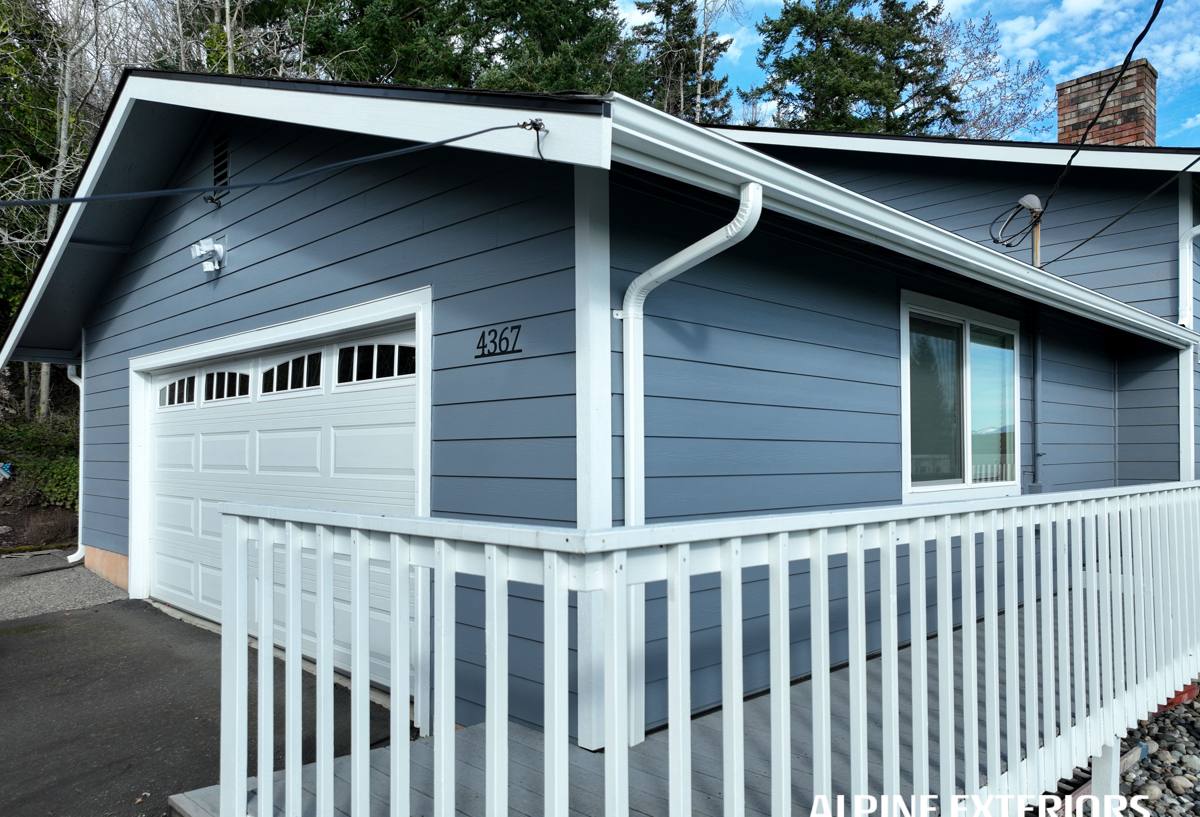
Signs a Birchwood Home Needs a Roof Replacement, Not Another Repair
Homeowners often ask us to look at a roof expecting a repair quote and instead need a conversation about full replacement. Here's how to tell the difference before you call anyone out:
- Granules collecting in gutters or at downspout outlets, or shingles that look bald and gray instead of textured
- Moss established in patches rather than a light surface film — patch moss usually means moisture is already working under the shingle edges
- Curling, cupping, or cracked shingles across multiple slopes, not just one isolated area
- Daylight visible through the roof deck from the attic, or damp insulation and dark staining on rafters
- Repeated leaks near valleys, chimneys, or skylights even after past repairs
- A roof that's already 20+ years old and has never been fully re-roofed, only patched
One or two of these on their own might still be repairable. Several at once, especially combined with age, usually means the underlying materials — decking, underlayment, flashing — have been absorbing moisture for a while and a repair would just be putting new shingles over a compromised base.
What a Correct Roof Replacement Actually Involves
Full Tear-Off, Not a Cover-Up
We don't install new shingles over old ones. A layover hides problems instead of solving them, adds weight the structure wasn't designed for, and voids most manufacturer warranties. In a climate this wet, trapping an old, possibly damp layer under a new one is asking for trouble. A proper replacement starts with a complete tear-off down to bare decking.
Deck Inspection and Repair
Once the old roofing is off, we inspect the plywood or OSB decking underneath. Any soft, delaminated, or water-stained sections get replaced before anything new goes down. Skipping this step is one of the most common ways a roof fails early — new shingles fastened to compromised decking don't hold, no matter how good the shingle is.
Underlayment Built for Wet Weather
Given how much sideways rain and standing moisture Birchwood roofs deal with, we pay close attention to underlayment selection and ice-and-water membrane placement at eaves, valleys, and roof penetrations — the spots where wind-driven rain is most likely to find a way in.
Flashing and Penetrations
Chimneys, skylights, vents, and wall-to-roof transitions are where most roof leaks actually start, not in the open field of shingles. New step flashing, counter-flashing, and properly sealed penetrations matter as much as the shingles themselves.
Ventilation
A roof deck that can't breathe stays damp longer, which feeds moss growth and accelerates decking rot from underneath. Balanced intake and exhaust ventilation is part of a correct replacement, not an optional upgrade.
Material Options and What Drives Cost
There's no single "best" roofing material for every home — the right choice depends on your roof's pitch, sun and shade exposure, budget, and how much long-term maintenance you're willing to do. Here's how the common options compare for a climate like this one:
| Material | Typical Lifespan | Moisture & Moss Behavior | Relative Cost |
|---|---|---|---|
| Architectural asphalt shingles | 25-30 years | Good when installed with proper ventilation; algae-resistant granules help slow staining | Moderate |
| 3-tab asphalt shingles | 15-20 years | Thinner profile sheds moss less effectively; more prone to wind lift in exposed spots | Lowest |
| Metal roofing | 40-50+ years | Sheds water and moss very well; smooth surface resists organic growth | Higher |
| Composite/synthetic shake | 30-40 years | Good moisture resistance, lighter than natural wood or slate | Higher |
Beyond the material itself, cost is also shaped by roof pitch and complexity (steep or cut-up roofs take longer and need more safety setup), how much decking needs replacing once we're into the tear-off, ventilation upgrades, and the number of penetrations that need new flashing. We'll always walk you through these factors specifically for your roof rather than quoting off a generic number.
Our Roof Replacement Process
- On-site assessment. We inspect the roof from both the exterior and the attic, check for soft decking, and look at ventilation and flashing conditions before recommending anything.
- Honest scope and estimate. You get a clear breakdown of what needs to happen and why — including where a repair could realistically still work versus where replacement is the honest answer.
- Material selection. We go over the trade-offs between shingle types, metal, and other options based on your roof's exposure and your priorities.
- Scheduling around the weather. Roofing work needs a reasonably dry window. We plan around Whatcom County's rain patterns rather than rushing a job into wet conditions that compromise the install.
- Tear-off and deck repair. Old roofing comes off, decking is inspected, and any damaged sections are replaced before moving forward.
- Underlayment, flashing, and ventilation installed correctly. This is the layer that actually determines how well the roof performs in driving rain, not just how it looks.
- Final roofing material installed to manufacturer specifications. Proper nailing patterns, exposure, and sealing — details that affect both wind resistance and warranty coverage.
- Cleanup and walkthrough. We clear debris and nails from the property and walk the finished roof with you.
Ventilation and Moisture Control in a Marine Climate
A lot of roof problems in this area aren't really about the shingles — they're about trapped moisture. Bellingham's marine climate means humid air, cool temperatures, and long stretches without direct sun to dry a roof out between rain events. Without balanced intake and exhaust ventilation, heat and moisture build up in the attic, condensation forms on the underside of the decking, and that dampness works against your roof from the inside while rain works against it from the outside.
When we replace a roof, we check existing ventilation — soffit vents, ridge vents, gable vents — and correct any imbalance. This isn't about upselling extra vents; it's about giving the new roofing system the airflow it needs to actually reach its expected lifespan in this climate rather than failing early from trapped moisture.
Moss Prevention and What Happens After Installation
A new roof in Birchwood isn't maintenance-free, especially under tree cover or on north-facing slopes that stay shaded most of the day. A little routine care goes a long way toward protecting the investment:
- Keep gutters and downspouts clear so water isn't sitting against the roof edge
- Trim back overhanging branches to reduce shade, debris buildup, and moss spores landing on the roof
- Have moss treated or gently removed before it establishes rather than after it's visibly thick
- Schedule a periodic roof check, especially after major windstorms common to this area
- Avoid pressure washing shingle roofs — it strips granules and shortens lifespan; a proper moss treatment and soft rinse is the safer approach
We're happy to talk through a maintenance schedule that fits your specific lot and tree coverage when we complete a replacement.
Why Hiring a Crew That Already Works Birchwood Matters
Roofing crews unfamiliar with this climate sometimes treat every job the same way they would in a drier region — standard underlayment, minimal attention to ventilation, and detailing that assumes rain falls straight down instead of sideways. That approach doesn't hold up here. A crew that regularly works Birchwood and the surrounding Bellingham area already knows which slopes tend to hold moss, how local wind patterns stress a roof edge, and which flashing details actually stop leaks in driving rain rather than just in a dry-weather test.
Local experience also means realistic scheduling. We understand the rain windows that make roofing work possible in Whatcom County through the fall and winter, and we plan installations accordingly instead of rushing a tear-off into a system that's about to open up your home to the weather.
Permits, Timing, and Planning Your Project
Full roof replacements typically require a permit, and timing your project around the weather matters as much as the paperwork. Spring and summer offer the most predictable dry windows for tear-off and installation, but a well-planned replacement can happen in shoulder seasons too, as long as the crew is watching the forecast closely and not exposing your decking to an open sky longer than necessary. We handle the scheduling logistics and permit process as part of the job so you're not managing that on your own.
If your roof is showing its age or you're just not sure whether it needs a repair or a full replacement, we're glad to take a look. Reach out for a free, no-pressure estimate using the form below, and we'll give you a straight answer about what your Birchwood roof actually needs.