 Bellingham Siding
 Why Lynden Roofs Wear Differently Than You'd Expect
Lynden sits inland from Bellingham Bay, but that doesn't spare it from the same moisture-loaded air that moves in off the Salish Sea and settles across Whatcom County. Add the valley's tree cover, the shaded north sides of barns and homes, and a rainy season that stretches for months at a time, and you get a roof environment that's harder on materials than most homeowners realize. It isn't one dramatic storm that causes the damage we see most often — it's the slow, repeated cycle of rain soaking in, cool nights keeping things damp, and moss finding every shaded, north-facing surface to take hold.
A roof that would show minor wear in a drier climate can develop real problems here within a few seasons if it isn't inspected and maintained. That's especially true for older homes with original flashing, or newer builds where a roofing detail was rushed during a busy building season. Understanding what's actually happening under the shingles — not just what's visible from the ground — is the difference between a repair that lasts and one that's just a patch.
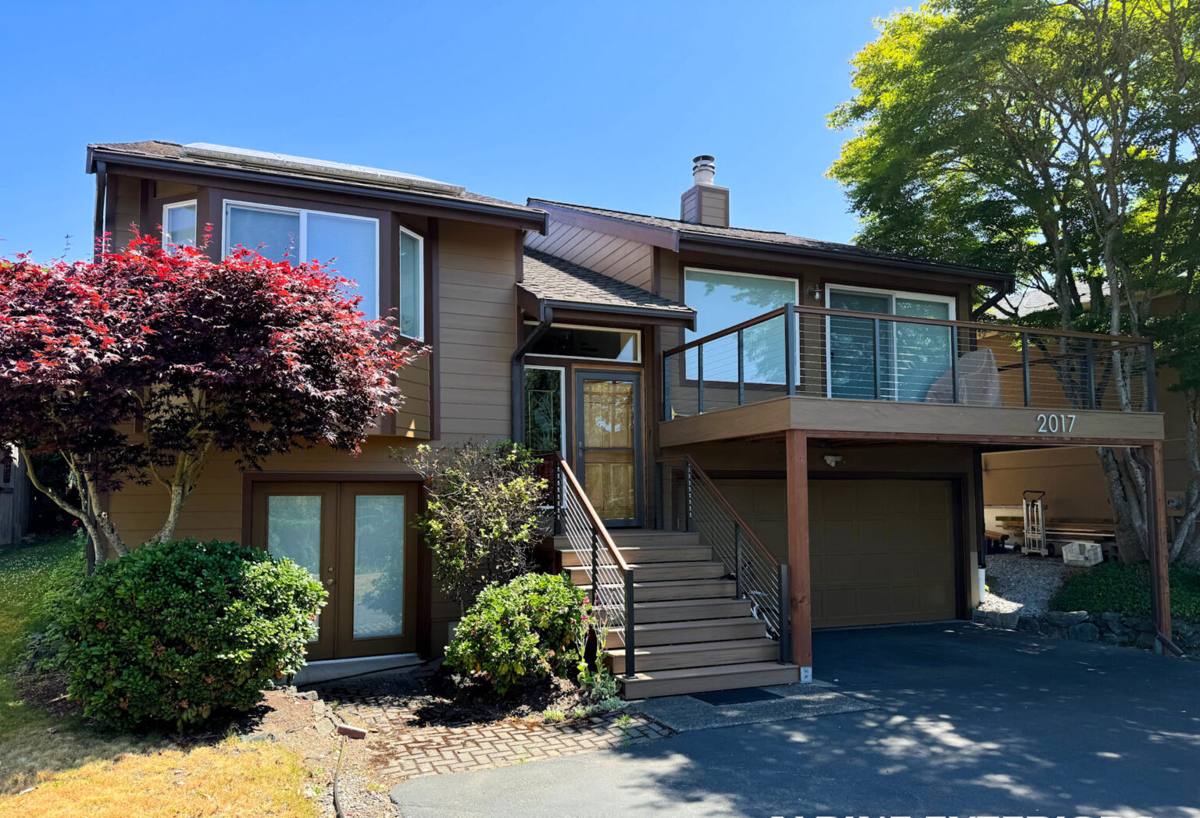
The Early Warning Signs of a Roof That Needs Attention
Most roof failures don't start as leaks. They start as small, easy-to-miss signs that get ignored until water finds its way into the attic or the walls. If you own a home in Lynden, it's worth walking around the exterior a couple of times a year and looking for the following:
- Dark streaking or thick green-black growth on shingles, especially on the shaded or north-facing slopes
- Granules collecting in gutters or at the base of downspouts
- Curling, cupping, or cracked shingle edges
- Rusted, lifted, or missing flashing around chimneys, skylights, and roof-to-wall junctions
- Soft or sagging spots when walked on, or visible dips from the ground
- Water stains on interior ceilings or in the attic near vents, pipes, or valleys
- Moss growth that has crept from the shingle surface into the seams and gutters
Any one of these on its own might be minor. Several together, or anything showing up as an interior stain, means it's time to have someone look before the next heavy rain finds the gap.
What a Correct Roof Repair Actually Involves
Diagnosis Before Anything Gets Touched
A repair that starts without a real diagnosis is a repair that's likely to fail again. We start on the roof itself, not just the trouble spot — checking the surrounding field of shingles, the flashing details, the ventilation, and the decking underneath if there's any sign of water intrusion. A leak that shows up over the living room can easily originate ten feet upslope, following a rafter or sheathing seam before it drips somewhere visible.
Flashing and Penetrations
Most roof leaks in this climate aren't from failed shingles in the open field — they're from the details: chimney flashing, pipe boots, skylight curbs, and valleys where two roof planes meet. Rubber pipe boots dry out and crack after years of freeze-thaw cycles and UV exposure. Step flashing at chimneys and walls can work loose or corrode. A correct repair replaces the failed component with the right material and re-integrates it properly with the surrounding shingles, rather than just caulking over the gap.
Matching Materials
Shingle color and profile change over the years, so a repair on an older roof often means sourcing the closest reasonable match rather than an exact one. We're upfront about this before starting — a patched section will rarely be invisible, but it should blend reasonably and, more importantly, perform exactly like the surrounding roof.
Moss and Debris Management
Any repair on a mossy roof has to deal with the moss itself, not just the leak. Moss holds moisture against the shingle surface and works its way under tabs and into fastener lines. Part of a proper repair is clearing growth and debris from the work area and the surrounding drainage paths so water can actually shed the way the roof was designed to.
Common Lynden Roof Repair Issues We See
| Issue | Likely Cause | What It Takes to Fix |
|---|---|---|
| Moss buildup on north-facing slopes | Shade, tree cover, and long damp spells | Careful removal, treatment, and gutter/valley clearing |
| Leak near a chimney or skylight | Aged or improperly installed flashing | Flashing removal and reinstallation, tied into existing shingles |
| Granule loss and thinning shingles | Age, weathering, and moss root penetration | Section replacement matched to remaining roof age |
| Soft decking or sagging | Long-term hidden moisture intrusion | Localized decking replacement before re-shingling that section |
| Gutter overflow staining fascia | Debris and moss blocking flow, undersized drainage | Clearing, minor gutter repair, and drip-edge correction |
Repair or Replace? How We Help You Decide
Not every roof problem calls for a full replacement, and not every repair is worth doing on a roof that's genuinely at the end of its life. We look at the age of the roofing, how much of the roof is affected, and whether the underlying decking is sound before making a recommendation either way.
| Factor | Repair Usually Makes Sense | Replacement Usually Makes Sense |
|---|---|---|
| Roof age | Well within expected lifespan | Near or past its material's typical service life |
| Extent of damage | Localized to one section or detail | Spread across multiple slopes or recurring in several spots |
| Decking condition | Solid, no soft spots | Soft, rotted, or repeatedly wet in multiple areas |
| Moss history | Manageable with treatment and maintenance | Heavy, long-term growth that's damaged the shingle base broadly |
We'll always tell you honestly which side of that line your roof falls on, including when a repair is the smarter financial choice.
Our Process, Start to Finish
- On-site inspection of the roof, attic (where accessible), and drainage paths
- Clear explanation of what's causing the problem and what repair options exist
- A written estimate outlining the scope of work, materials, and timeline
- Careful removal of damaged shingles, flashing, or decking as needed
- Installation of matched materials and correctly integrated flashing details
- Clearing of moss, debris, and granules from the work area and gutters
- Final walkthrough so you can see exactly what was done and why
Materials and Moss: Getting the Trade-offs Right
There's no shortage of moss treatments and roof coatings marketed as a permanent fix. Our standard is to treat moss as a maintenance issue that gets managed over the life of the roof, not something a one-time spray solves forever. Zinc or copper strips near the ridge can help slow regrowth over time, and periodic gentle cleaning keeps moss from re-establishing in the seams. We're cautious about aggressive pressure washing or harsh chemical treatments, since both can strip granules and shorten the life of otherwise sound shingles — the cure ending up harder on the roof than the moss itself.
When it comes to flashing and pipe boot materials, we favor components with a proven track record in wet, temperate climates over the cheapest option available, because callbacks on a poorly chosen flashing detail cost everyone more than doing it right the first time.
Why Hiring a Crew That Already Works in Lynden Matters
A roofer who mostly works in drier parts of the state may not think twice about moss, valley design, or how much shade a property gets through the winter. Crews who work regularly across Whatcom County — from in-town Bellingham roofs to the more rural, tree-lined properties around Lynden — get a feel for which details fail first in this climate and which ones hold up. That local pattern recognition is what lets us diagnose a leak accurately instead of guessing, and recommend a repair scope that matches what your roof actually needs rather than a generic checklist.
It also means we're realistic about timing. Roof repairs in this region are weather-dependent, and a crew that works here year-round knows how to plan around the wetter months rather than promising a schedule that doesn't hold up to the forecast.
Keeping a Repaired Roof in Good Shape
- Clear gutters and valleys at least twice a year, more often under heavy tree cover
- Trim back branches that overhang the roofline to reduce shade and debris buildup
- Watch for moss regrowth each fall before the rainy season sets in
- Check attic insulation and ventilation periodically — poor airflow accelerates moisture problems
- Have the roof looked at after any major windstorm, even if nothing looks obviously wrong
If you're seeing moss, staining, or a suspicious spot on your ceiling, it's worth having a straightforward look before it turns into a bigger repair. We're happy to walk your roof, explain what we find, and put together a free, no-pressure estimate — just fill out the form below to get started.